
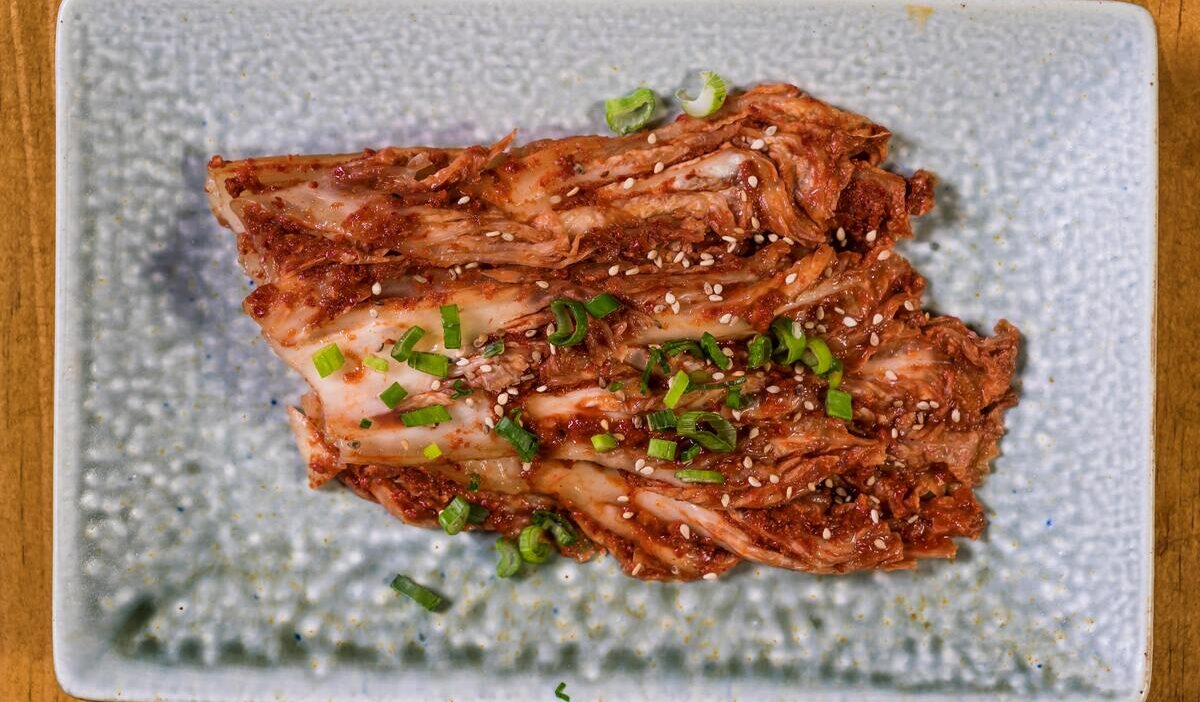
Kimchi is one of the rare foods that does not follow a traditional expiration timeline, and that is exactly why so many people feel unsure when storing or consuming it. Unlike fresh produce or cooked meals, kimchi continues to ferment over time, meaning its flavor, texture, and usability constantly evolve rather than suddenly expire.
Because of this, a common question arises: how long does kimchi last?
This guide will walk you through exactly what to expect, how to store kimchi properly, and how to determine whether it is still good to eat.
1. How Long Does Kimchi Last?
Kimchi does not behave like most foods stored in the refrigerator, which is why its shelf life often works differently.
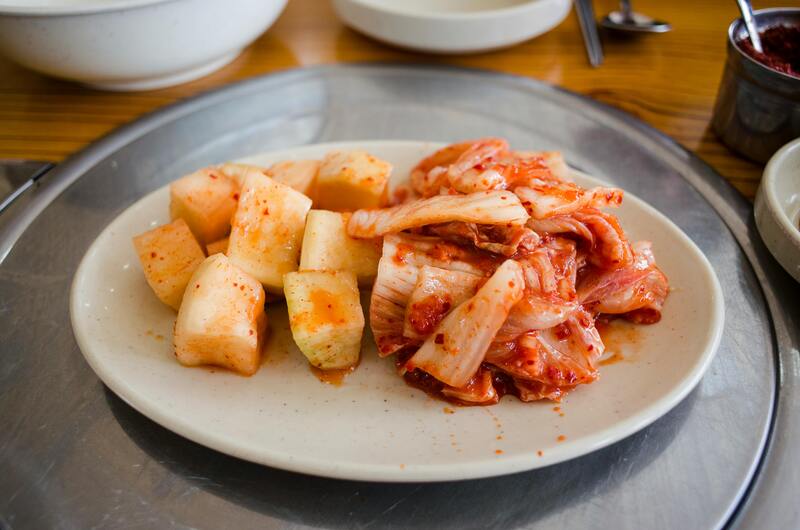
Instead of spoiling quickly, kimchi undergoes continuous fermentation, which results in gradual changes rather than sudden spoilage. This means the concept of “freshness” is more flexible and depends heavily on personal preference.
In general, kimchi can be divided into different stages:
- Fresh stage: mild, slightly tangy, and crisp
- Mid-fermentation: balanced sourness with deeper flavor
- Fully fermented: strong, sour, and ideal for cooking
Each stage is still safe to eat when stored properly, but the best use of kimchi changes as it ages.
How Long Unopened Kimchi Lasts
How long does kimchi last in the fridge after opening often depends on how well it is stored and handled.
Unopened kimchi typically lasts:
- 2–4 weeks at peak freshness, where flavor is balanced and texture remains crisp.
- 3–6 months while still maintaining good overall quality.
- Even longer if consistently stored at a stable, cold temperature.
Because the container remains sealed, fermentation occurs more slowly to help preserve the original taste profile.
This airtight environment ensures that the risk of contamination remains minimal, allowing the kimchi to stay safe for extended periods.
How Long Kimchi Lasts After Opening
Thanks to its sealed packaging, unopened kimchi stays fresh for a long time in the fridge, which is a major factor in how long does kimchi last.
Typically, after opening:
- The best flavor is experienced within 2–6 weeks
- The kimchi remains safe to eat for 2–3 months or longer when stored properly
- Fermentation accelerates due to exposure to oxygen
Fresh Kimchi vs. Aged Kimchi
One of the most valuable things to understand about how long does kimchi last is that older kimchi is not necessarily worse; it simply serves a different purpose.
- Fresh kimchi is best enjoyed as a side dish due to its crisp texture and mild flavor
- Aged kimchi is often preferred for cooking because its strong flavor enhances dishes
Common uses for aged kimchi include:
- Kimchi fried rice, where sourness adds depth
- Kimchi stew, where fermentation creates a richer broth
- Stir-fried dishes that benefit from bold, developed flavors
Even if kimchi is no longer ideal for direct consumption, it can still be extremely valuable in cooking.
>>> Read more: How Long Does Pasta Last in the Fridge? From Fresh to Leftover
2. How Long Does Cucumber Kimchi Last?
If you are specifically wondering how long does cucumber kimchi last, the answer is significantly different from traditional cabbage kimchi.
Cucumber kimchi, often known as “oi kimchi”, has a much shorter shelf life due to its structure and water content.
The typical shelf life of cucumber kimchi is relatively short due to its high moisture content:
- Best consumed within 3–5 days for optimal crunch and freshness
- Acceptable for up to 1–2 weeks when refrigerated properly
- Beyond this point, quality declines rapidly
The shorter lifespan of cucumber kimchi is due to several factors:
- Cucumbers contain a high amount of water, which accelerates breakdown
- Their structure is less dense than cabbage, making them more sensitive to fermentation
- They lose texture quickly, becoming soft and less appealing
3. How to Tell If Kimchi Is Still Good?
Relying only on time is not always the best way to determine whether kimchi is still safe to eat. Instead, learning how to evaluate its condition is much more reliable.
Understanding these signs will help you confidently decide whether your kimchi is still good.
Signs your kimchi is still safe to eat:
- A sour smell, which is a normal result of fermentation
- Slight bubbling or fizz, indicating active fermentation
- A deeper color compared to when it was fresh
- Softer texture without becoming slimy
Signs your kimchi has gone bad:
- Mold growth on the surface, which is a clear sign of contamination
- A rotten or unpleasant smell that differs from the usual sour aroma
- Excessively slimy or sticky texture beyond normal fermentation
- Unusual discoloration that does not match typical aging
Key distinction to remember:
Distinguishing between natural fermentation and actual food spoilage remains a common challenge for many consumers. While these processes often look similar, they represent two very different biological states.
For instance, a noticeable sourness is a normal and expected byproduct of healthy fermentation. On the contrary, the presence of mold or rot indicates that the kimchi is no longer safe for consumption.
Ultimately, this distinction serves as an essential guideline when people evaluate how long does kimchi last in real-world situations.
4. Best Ways to Store Kimchi for Longer
Proper storage plays a major role in extending “how long does kimchi last in the fridge” and maintaining its quality.
Small adjustments in storage habits can significantly slow fermentation and preserve flavor.
Keep kimchi consistently refrigerated
Temperature control remains the most critical factor for preservation. Specifically, cold environments slow down fermentation, whereas warm temperatures accelerate souring.
Consequently, even short periods outside the fridge will noticeably alter the flavor.
Use airtight containers
You must always store kimchi in a tightly sealed container after opening to limit its contact with the outside environment.
- Reduce exposure to oxygen
- Maintain consistent fermentation
- Prevent strong odors from spreading
Keep kimchi submerged in its liquid
The brine must completely cover the kimchi at all times to protect the vegetables from the air.
Furthermore, the liquid layer ensures the product stays safe through three essential functions:
- Prevents mold growth
- Supports proper fermentation
- Helps maintain texture
Always use clean utensils
You must always use clean utensils to prevent cross-contamination. This practice protects the product quality through several factors:
- Clean tools minimize the introduction of harmful bacteria.
- Proper hygiene prevents unexpected changes in taste.
- Sterile handling ensures the kimchi does not spoil prematurely.
Avoid temperature fluctuations
Frequent temperature changes often accelerate fermentation and compromise quality. You can maintain stability by following two simple habits:
- Store kimchi deeper inside the fridge rather than the door.
- Close the container immediately after use to maintain a steady environment.
Additional insight:
In Korea, some households use specialized refrigerators designed specifically for kimchi storage, which maintain stable temperatures and optimal fermentation conditions.
While not necessary, this highlights how important storage is in determining how long does kimchi last.
>>> Read more: How Long Does Pizza Last in the Fridge? Storage Timeline, Safety & Reheating Guide
Final Thoughts
So, how long does kimchi last?
Ultimately, the shelf life of kimchi depends on storage methods, seal integrity, and the specific variety of ingredients. While unopened containers can last for several months, opened batches typically offer the best quality within a few weeks. Furthermore, cucumber kimchi requires faster consumption due to its significantly shorter lifespan.