A wasp nest near a door, deck, or play area is easy to spot and hard to ignore. Before reaching for a spray, it helps to slow down and plan, because the right move depends on the species, the location, and the time of year.
This guide explains how to get rid of wasp nest problems safely, from the first check to the final cleanup.
1. What to Check Before Deciding to Remove It?
Not every nest needs to come down. Hornets, yellowjackets, and paper wasps abandon their nests in the fall, and the old nest is not reused the following year.
A nest far from doors and walkways can sometimes be left alone, while a nest above an entrance or near a play area is worth dealing with early, when the colony is still small.
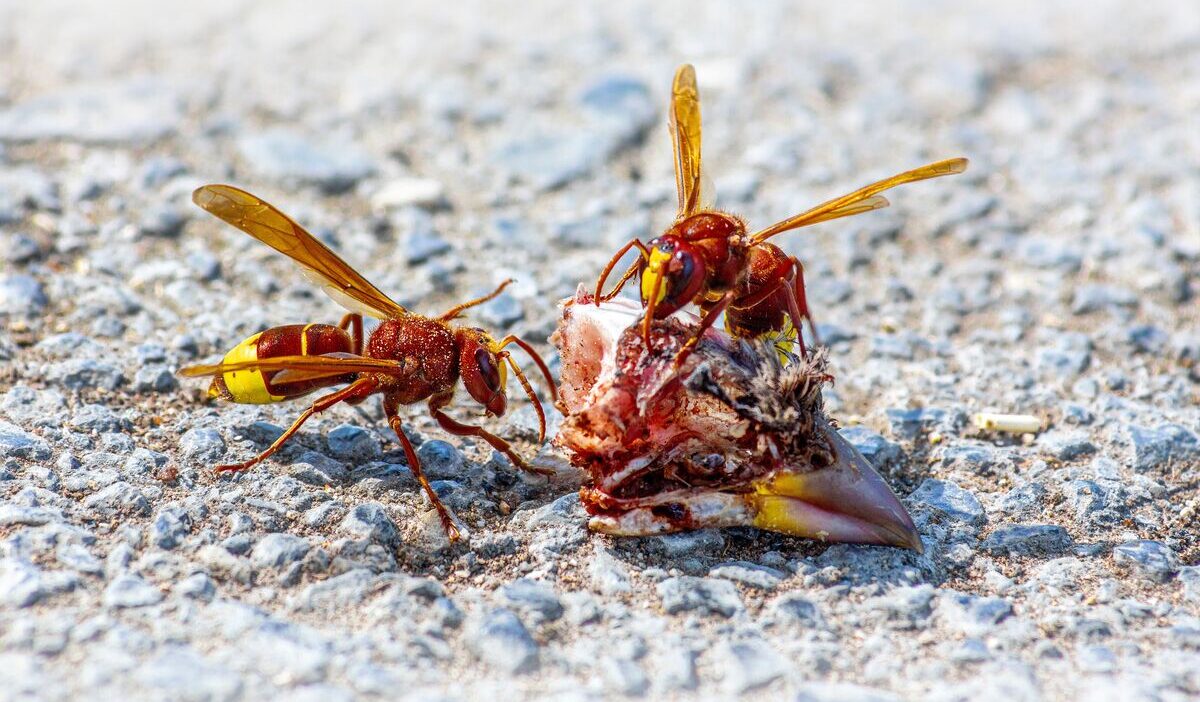
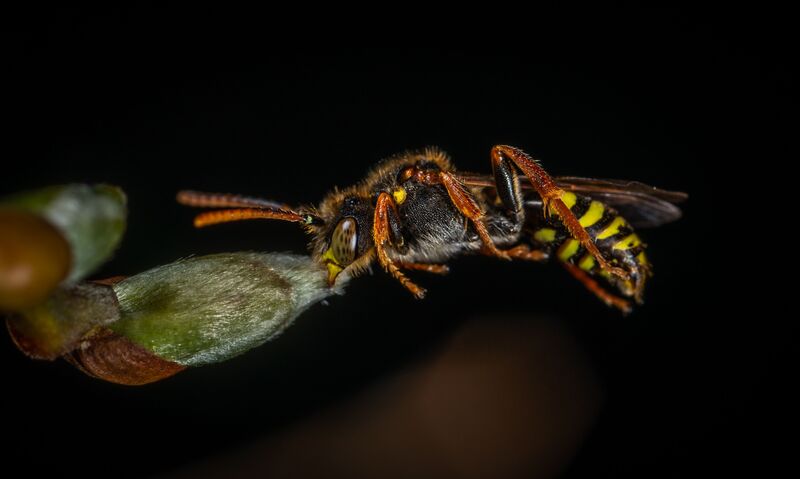
Identifying the insect comes next, because the species changes both the risk and the method:
- Paper wasps: build open, umbrella-shaped nests under eaves, ledges, and railings. They are less aggressive and their nests are usually easy to reach.
- Yellowjackets: nest underground, often in old rodent burrows, or inside wall voids and attics, and can sting in large numbers.
- Bald-faced hornets: build large aerial nests and are far more difficult and dangerous to control.
If anyone in the household has a known sting allergy, skip the do-it-yourself route and call a professional. Honeybees should go to a local beekeeper instead.
2. 6 Essential Safety Rules Before You Touch the Nest
Most stings happen because of preparation mistakes, not the treatment itself. Whatever your plan for how to get rid of wasp nest activity, these six rules come first:
- Work at dusk or dawn. Most of the colony is inside the nest and much less active, which lowers the chance of being stung.
- Wear long sleeves, long pants, and gloves. Add a hat with a face veil or eye protection, and tuck clothing in so nothing is exposed.
- Plan a clear retreat route. Clear the path, keep your hands free, and walk away as soon as you finish spraying.
- Keep children and pets indoors. Let neighbors know if the nest is close to a shared fence or yard.
- Read the product label first and use it exactly as directed. Follow the stated spray distance and any warnings about food, pets, and water.
- Never use fire, gasoline, or a hose. Fire and fuel can ignite the structure the nest is attached to, and water or a stick only provokes the colony.
3. How to Get Rid of Wasp Nest?
The right method depends on where the nest is built, because a nest hanging from an eave and a colony inside a wall call for very different approaches.
Treat Exposed Nests on Eaves, Branches, and Railings
Accessible paper wasp nests can usually be handled with a wasp and hornet spray sold at most retail stores. Choose a product labeled for wasps that reaches several feet, and treat the nest in this order:
- Wait until after dark or just before dawn, when the wasps are inside.
- Stand at the distance stated on the label and aim the spray at the nest opening, soaking the nest.
- Walk away immediately instead of watching the result.
- Check the nest again the next day and repeat the treatment if wasps are still active.
- Take the nest down only after activity has stopped, then seal it in a bag and throw it away.
Eliminate Ground Nests and Nests Inside Walls or Attics
Ground nests need a different approach from exposed ones, and this is where how to get rid of wasp nest advice most often goes wrong.
A liquid spray soaks into the soil near the surface, so insecticide dust labeled for ground nests is the better tool. Apply it directly into the nest opening after dark, when most of the wasps are inside.
Leave the hole open afterward so returning wasps carry the dust into the nest, and do not pour water into it. Nests inside walls and attics carry added risks, so they are covered separately below.
Remove Hidden Nests Inside Wall Cavities and Attics
Some yellowjackets, especially the German yellowjacket, commonly nest in wall voids, attics, and crawlspaces.
A steady stream of wasps entering a gap in the siding, soffit, or brick is a strong sign. Never plug that opening. Sealing it while the colony is alive can push the wasps to chew their way into the living space.
Professionals usually treat these nests by dusting the entrance, and some use dusters on long poles to reach high nests from a safe distance. Call a professional when:
- the nest is inside a wall, attic, or other structural void
- the nest is large, high off the ground, or hard to reach safely
- you are dealing with hornets
- anyone nearby has a sting allergy
- an earlier do-it-yourself attempt did not stop the activity
>>> Read more: How to Get Rid of Ground Bees Without Harming Your Lawn’s Pollinators
4. Soap Spray, Traps, and Decoy Nests: What They Can and Cannot Do?
Popular home methods can help in small ways, but none of them replaces treating the nest itself. Here is what each one realistically offers:
- Soap spray: soapy water kills wasps it touches, and it may help with a very small, new nest within easy reach. It is unreliable on larger colonies and puts you close to the nest.
- Traps: they catch foraging wasps and can reduce the number around a patio, but they do not remove the colony.
- Decoy nests: no peer-reviewed studies show that fake nests keep wasps away, and wasps are often found nesting close to one another.
5. What to Expect After Treatment and How to Prevent a Rebuild?
A few wasps may keep circling the old spot for a day or two, because returning foragers do not know the nest is gone.
If strong activity continues after about 48 hours, repeat the treatment or call a professional. Once the nest is quiet, remove it, and remember that the old nest will not be reused next year.
- Scrape off the base where the nest was attached.
- Seal gaps in siding, soffits, and around utility lines, and screen vents.
- Fill ground holes in early spring.
- Keep trash covered and clean up fallen fruit and sweet spills.
- Check eaves, railings, and sheds each spring so new nests are caught while they are small.
>>> Read more: How to Get Rid of Wasps Safely and Keep Them Away From Your Home
6. Final Thoughts
Safe wasp control comes down to a few habits: identify the nest, work at night with protection, match the method to the location, and call a professional when the nest is hidden or large.
That is the whole plan for how to get rid of wasp nest problems without taking unnecessary risks.