If you’re new to government assistance programs, you’ve probably come across the term SNAP EBT and wondered what it actually means.
Understanding “What is SNAP EBT?” is important because it affects how millions of Americans access food benefits every month. While the system is designed to be simple, the terminology can be confusing at first, especially for first-time users.
This guide breaks everything down in a clear, practical way so you know exactly how SNAP and EBT work, what you can use them for, and how to get started.
What Is SNAP EBT?
SNAP stands for the Supplemental Nutrition Assistance Program. It’s a federal program that helps low-income households buy food.
EBT, or Electronic Benefits Transfer, is the system used to deliver those benefits.
In simple terms:
- SNAP = the program that provides food assistance
- EBT = the card and system used to access those benefits
So when people ask “What is SNAP EBT?”, they’re usually referring to the combination of both: a program (SNAP) delivered through a payment method (EBT card).
Is SNAP and EBT the Same Thing?
This is one of the most common questions.
SNAP and EBT are closely connected, but they are not the same thing.
- SNAP is the benefit program
- EBT is the tool used to spend those benefits
Think of it like this: SNAP is the benefit, and EBT is the card you use to access it.
What’s the Difference Between SNAP and EBT?
Here’s a simple comparison to make it clearer:
| Feature | SNAP | EBT |
| What it is | Government food assistance program | Electronic payment system |
| Purpose | Provides funds for food | Delivers and manages those funds |
| Form | Benefit program | Plastic card (like a debit card) |
| Managed by | Federal & state agencies | State systems |
| Used for | Buying eligible food items | Paying at stores or online |
Understanding “What’s the difference between SNAP and EBT?” helps avoid confusion when applying or using benefits.
>>>Read more: What Is an EBT Card? A Simple Guide to How It Works
What Is SNAP EBT Eligible For?
A big part of understanding “What is SNAP EBT eligible?” is knowing what you can and cannot buy.
Eligible items typically include:
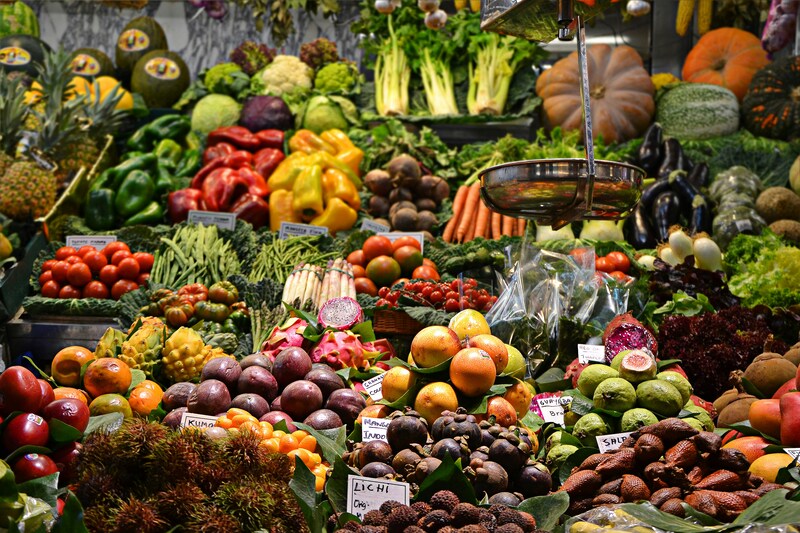
- fruits and vegetables
- meat, poultry, and fish
- dairy products
- bread and cereals
- snack foods and non-alcoholic beverages
- seeds and plants that grow food
Not eligible:
- alcohol or tobacco
- hot prepared foods (except in limited state programs)
- vitamins and supplements
- non-food items (cleaning supplies, toiletries, etc.)
The goal of SNAP is to support nutritional food purchases, not general household spending.
Which Food Delivery Services Accept EBT SNAP?
As online grocery shopping becomes more common, many users ask:
“Which food delivery services accept EBT SNAP?”
The good news is that several major platforms now support EBT payments for eligible items.
Common services that accept SNAP EBT:
- Amazon (Amazon Fresh & grocery orders)
- Walmart (online grocery pickup & delivery)
- Instacart (select stores and locations)
- Aldi (through Instacart in some areas)
Availability depends on your state and ZIP code, but more retailers are adding EBT support over time.
This makes it easier for SNAP users to shop online without needing to visit a physical store.
>>> Read more: How to Use EBT Without Card: What Actually Works (and What Doesn’t)
How to Get SNAP EBT
If you’re wondering “How to get SNAP EBT”, the process is usually handled at the state level but follows a similar structure across the U.S.
Step 1: Check Eligibility
You may qualify based on:
- household income
- household size
- expenses (rent, utilities, etc.)
Step 2: Submit an Application
You can apply:
- online through your state’s SNAP website
- in person at a local office
- by mail (in some cases)
Step 3: Complete an Interview
Most applicants are required to complete a short phone or in-person interview to verify information.
Step 4: Receive Approval
If approved, you will receive:
- an EBT card by mail
- instructions on how to activate and use it
Step 5: Start Using Benefits
Benefits are loaded monthly onto your EBT card, which can be used at:
- grocery stores
- participating retailers
- approved online platforms
Common Misunderstandings About SNAP EBT
Even though SNAP is widely used, there are still many misconceptions.
“SNAP gives cash”
SNAP provides food benefits only, not cash (unless combined with other programs like TANF).
“You can buy anything with EBT”
Only eligible food items can be purchased.
“Everyone gets the same amount”
Benefits vary based on income, household size, and expenses.
“You can’t use EBT online”
This used to be true, but today many retailers accept EBT for online grocery orders. Understanding these points can help users make better use of their benefits.
FAQs
What is SNAP EBT used for?
SNAP EBT is used to purchase eligible food items such as groceries, fruits, vegetables, and other essential food products.
Is SNAP and EBT the same thing?
No. SNAP is the benefit program, while EBT is the system used to access and spend those benefits.
What foods are SNAP EBT eligible?
Eligible foods include groceries such as meat, dairy, bread, fruits, vegetables, and snacks. Non-food items and prepared hot foods are usually not allowed.
Can SNAP EBT be used online?
Yes. Many retailers like Amazon and Walmart allow SNAP EBT payments for eligible online grocery purchases.
How long does it take to get SNAP EBT after applying?
It typically takes a few weeks, though some applicants may qualify for faster processing.
Which food delivery services accept EBT SNAP?
Services such as Amazon, Walmart, and Instacart (in select areas) accept SNAP EBT for grocery orders.
Final Thoughts
Understanding “What is SNAP EBT?” is the first step toward using the program effectively.
While the terms SNAP and EBT are often used together, knowing the difference helps you better navigate the system, from applying for benefits to using your card at stores or online.
If you’re eligible, SNAP can provide valuable support for your household by helping cover essential food costs. And with more retailers now accepting EBT online, using your benefits has become more convenient than ever.
Whether you’re applying for the first time or just trying to understand how it works, having the right information can make the process much smoother.