
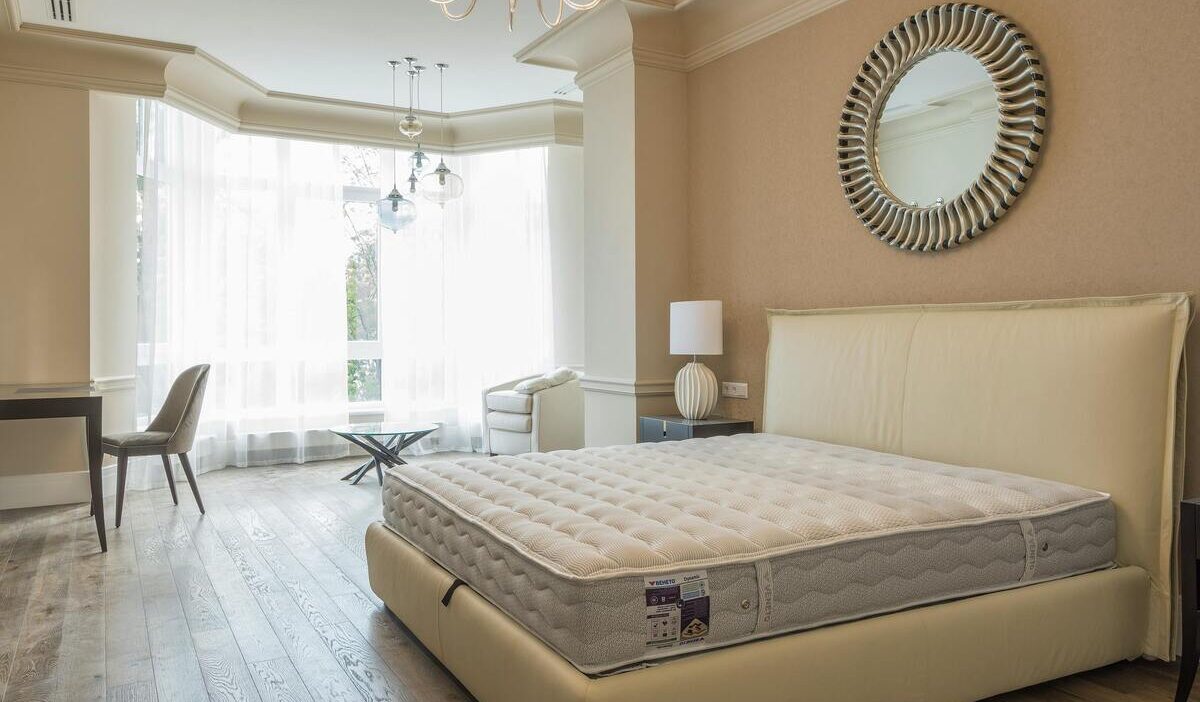
A mattress usually does not fail in one dramatic moment. Springs rarely snap overnight, and foam does not suddenly collapse all at once. In most homes, the first sign of aging is more subtle: sleep becomes less comfortable, support feels inconsistent, or waking up sore becomes more common.
How long do mattresses last? It matters more than simply waiting until a bed looks damaged. Many mattresses are replaced because comfort and support decline long before the product physically breaks.
Material type, body weight, usage habits, rotation, foundation quality, and room conditions all influence the real lifespan. Two mattresses purchased in the same year may age very differently depending on how they are used.
How Long Do Mattresses Last on Average?
Mattresses usually last from 7 to 10 years, though some last shorter and others longer depending on construction and care.
That range is common because sleep surfaces gradually lose resilience over time. Foam softens, fibers compress, coils may weaken, and edge support can decline.
Across common categories, many estimates for general lifespan look like this:
- Budget innerspring models: often shorter lifespan
- Mid-range hybrid mattresses: moderate range
- Quality memory foam models: often longer than basic spring beds
- Premium specialty materials: sometimes longer with proper care
These are broad averages, not guarantees.
Consumer sleep guidance from Sleep Foundation often notes that mattress lifespan depends heavily on material quality and user habits.
The same model can feel very different after years of use depending on:
- Weight distribution of sleepers
- Whether one or two people use it
- Nightly sleep duration
- Rotating schedule if recommended
- Humidity and room environment
- Quality of bed base or frame
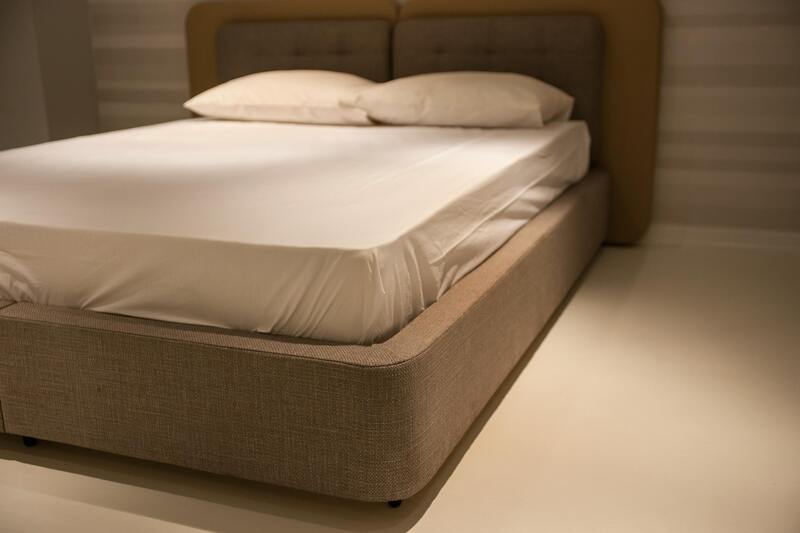
How Long Do Memory Foam Mattresses Last Compared to Other Types?
Memory foam mattresses are popular because they contour to the body, reduce motion transfer, and often feel pressure-relieving. Their lifespan depends greatly on foam density and build quality.
Memory Foam Average
Many memory foam mattresses last around 8 to 10 years, with premium versions sometimes exceeding that range when well maintained.
Higher-density foam generally resists sagging longer than cheaper low-density options.
What Shortens Foam Life?
Even quality foam can wear faster under certain conditions:
- Constant pressure in the same sleep spots
- Low-quality or weak foundation support
- Excess heat and humidity
- Heavier body weight without adequate density
- Folding or bending the mattress improperly
Why Some Last Longer?
Some memory foam beds outperform expectations because of:
- Better material density
- Layered support construction
- Regular rotation when manufacturer-approved
- Mattress protectors reducing moisture damage
- Consistent support from a solid frame
What About Purple Mattresses?
How long do purple mattresses last? Specialty grid-style designs may follow different wear patterns than traditional foam because they use alternative support materials.
Real lifespan still depends on usage, body weight, and support base quality.
>>> Read more: How Long Does Strep Last: Everything about Strep Throat Timeline
How Long Do Tempurpedic Mattresses Last and Why Do People Keep Them Longer?
Premium memory foam brands are often judged differently because owners expect stronger durability and comfort retention. Why some people keep them longer:
- Dense foam construction
- Strong pressure relief reducing perceived wear
- Higher satisfaction delaying replacement decisions
- Good motion isolation for couples
In many cases, people replace a mattress when discomfort appears. If a mattress remains comfortable, owners often keep it longer even if it is older.
Signs Your Mattress Needs Replacing Even If It Looks Fine
A mattress can look normal while performing poorly. Surface appearance does not always reveal internal wear. Common warning signs include:
- Waking with back, hip, or shoulder discomfort
- Visible body impressions that do not recover
- Rolling toward the center
- Increased motion transfer from partner movement
- Noisy springs or unstable edges
- Sleeping better on other beds
Sleep quality changes are often the clearest signal.
If sleep improves noticeably when traveling or staying elsewhere, your current mattress may be aging more than it appears.
What Makes a Mattress Wear Out Faster?
Most mattresses decline gradually because of repeated stress, not sudden damage. Common accelerators include:
- No mattress protector against moisture and sweat
- Weak or uneven foundation support
- Jumping or concentrated pressure on edges
- Never rotating when recommended
- Heavy daily use with no relief time
- Warm humid environments without airflow
These habits can shorten comfort life significantly. Should you replace your mattress at 8 years or wait longer? Eight years is often used as a general checkpoint, not a universal deadline.
If the mattress still feels supportive, hygienic, and comfortable, waiting longer may be reasonable. If pain, sagging, or poor sleep are already present, replacing earlier can make more sense.
>>> Read more: How Long Does a Pinched Nerve Last? Recovery Time by Location and Severity
Final Thoughts
Mattresses usually age quietly. Comfort fades, support softens, and sleep quality slips long before the bed appears broken.
So, how long do mattresses last? Roughly 7 to 10 years, though premium models and well-maintained beds may go longer. Lower-quality materials or heavy use may shorten that range.
The smarter replacement strategy is not following a number blindly. It is paying attention to sleep quality, body comfort, and visible wear together.