
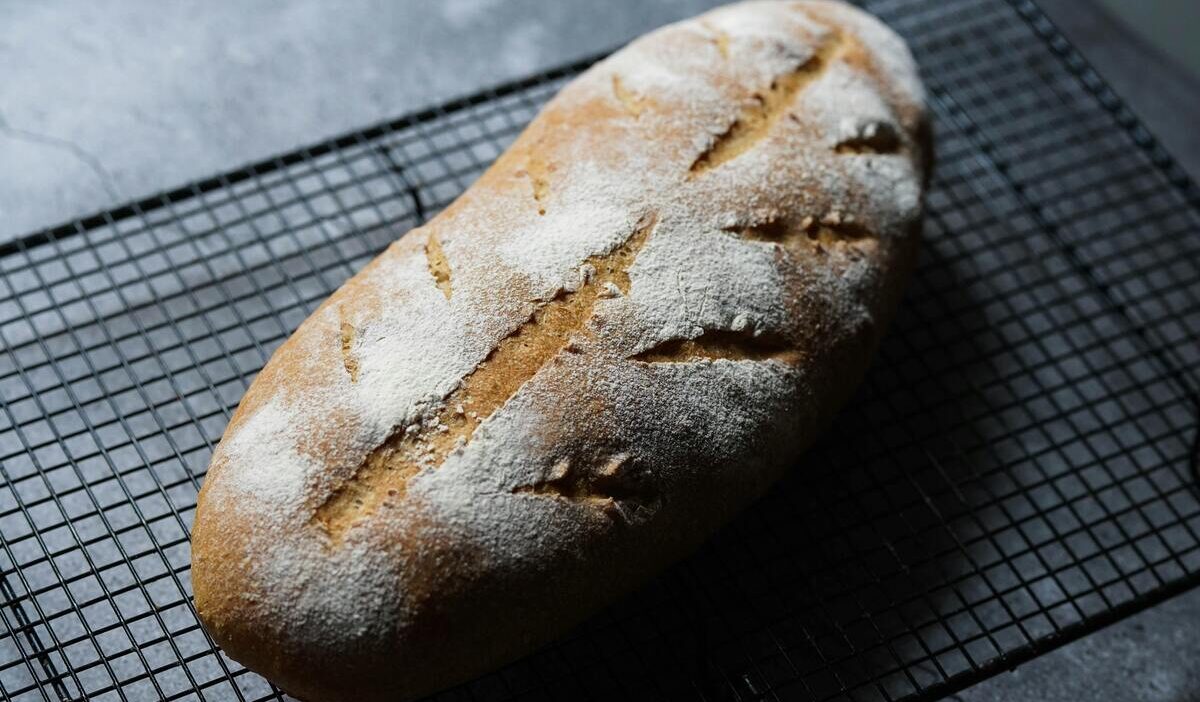
Sourdough bread has a reputation for lasting longer than regular bread, and there is some real science behind that. The natural fermentation process changes not only the flavor and texture, but also how quickly the bread stales or molds.
How long does sourdough bread last? Still, even sourdough does not stay fresh forever. Storage method, humidity, loaf size, and whether the bread is homemade all affect the answer.
Some loaves remain enjoyable for several days on the counter, while others dry out much faster once sliced.
1. How Long Does Sourdough Bread Last?
At room temperature, sourdough generally stays fresh longer than many commercial sandwich breads because of its fermentation and thicker crust.
A Health article explains that commercial bread often lasts about 2–4 days at room temperature, while artisan-style breads like sourdough may hold quality slightly longer because sourdough fermentation can help slow mold growth.
How long does homemade sourdough bread last? Homemade sourdough bread typically lasts 3 to 5 days at room temperature when stored properly.
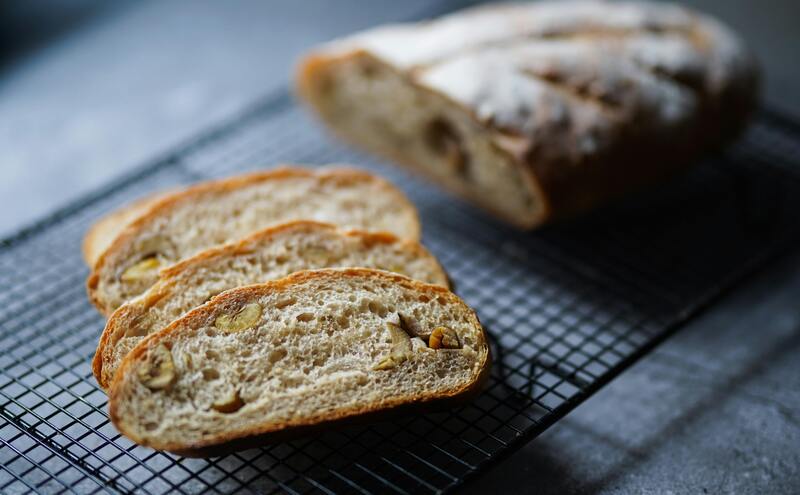
How Long Sourdough Lasts at Room Temperature?
For most loaves, sourdough keeps its best texture and flavor for around 3 to 5 days at room temperature.
A large rustic loaf with a thick crust usually lasts longer than thin pre-sliced sourdough because less surface area is exposed to air.
Storage matters too. Bread kept loosely wrapped in paper or cloth often performs better than bread sealed tightly in plastic, which can trap moisture and soften the crust.
How Long Does Sourdough Bread Last in the Fridge?
Cold temperatures accelerate starch retrogradation, the process that makes bread feel stale and dry. As a result, refrigerated sourdough often becomes firm and chewy much faster than bread kept at room temperature.
In humid climates, refrigeration may still be useful if mold is the bigger concern. But from a flavor and texture standpoint, sourdough usually performs better either at room temperature or in the freezer.
How Long Frozen Sourdough Bread Can Stay Fresh
Freezing is generally the best long-term option.
Properly wrapped sourdough can maintain good quality for around 2–3 months frozen. For best results:
- Slice the loaf before freezing
- Wrap tightly to reduce freezer burn
- Freeze while still relatively fresh instead of waiting until it dries out
2. Why Sourdough Usually Lasts Longer Than Regular Bread?
Sourdough’s longer shelf life is not just a baking myth. Fermentation changes the bread chemically in ways that can help slow spoilage.
Natural Fermentation Helps
During fermentation, sourdough bacteria produce organic acids that contribute both flavor and preservation effects.
A study published in Applied and Environmental Microbiology found that bread made with sourdough fermentation increased mold-free shelf life by approximately 2–3 days under tested conditions.
Lower Moisture in the Crust
Many sourdough loaves also have a firmer, thicker crust that reduces moisture buildup on the surface.
The crust helps protect the interior crumb while slowing some of the damp conditions mold prefers.
3. How To Store Sourdough Bread Properly?
Good storage habits can extend freshness noticeably without complicated methods. Helpful approaches include:
- Store bread at room temperature if eating within a few days
- Keep the loaf in a bread box, paper bag, or cloth bag
- Store cut-side down when possible
- Avoid sealing warm bread in plastic
- Freeze extra portions early if you will not finish the loaf soon
One common mistake is refrigerating bread immediately after baking. This often speeds up staling instead of helping freshness.
Another mistake is leaving bread fully exposed to air, which dries the loaf quickly. The best method usually balances airflow with moisture control.
>>> Read more: How Long Does Bread Last? Why It Goes Stale Before It Goes Bad
4. How To Tell if Sourdough Bread Has Gone Bad?
Sourdough naturally smells tangy, which can make spoilage harder to judge by smell alone.
Visible mold is the clearest sign the bread should be discarded. Watch for:
- Green, black, pink, or fuzzy spots
- Sticky or wet texture
- Unpleasant odor beyond normal sourness
- Excessive moisture inside packaging
5. When Sourdough Is Still Fine to Eat and When It Isn’t?
Dry or stale sourdough is not automatically spoiled. Bread that has simply become firm can still work well for:
- Toast
- Breadcrumbs
- Croutons
- French toast
However, mold is different. Health, citing USDA food safety guidance, explains that moldy bread should be thrown away entirely because mold can spread deeper into porous foods than what is visible on the surface.
>>> Read more: How Long Does Almond Milk Last? Opened and Homemade’s Expired Timeline
6. Final Thoughts
So, how long does sourdough bread last? For most homes, sourdough stays at its best for around 3 to 5 days at room temperature.
Refrigeration may reduce mold risk in some situations, but it often harms texture faster. Freezing is usually the better long-term solution and can preserve bread for several months when wrapped properly.
Natural fermentation also gives sourdough an advantage over many standard breads. Research has shown that sourdough fermentation can extend mold-free shelf life by several days under controlled conditions.