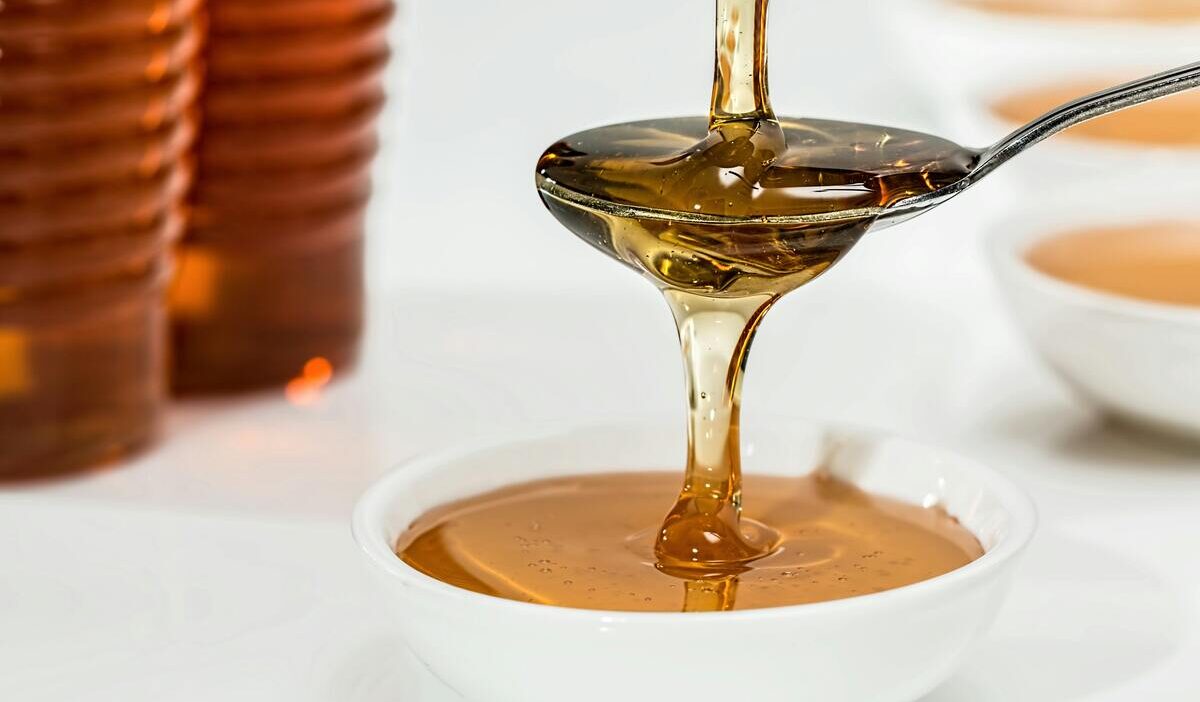
Simple syrup sounds almost impossible to mess up. It is just sugar and water, yet the storage timeline is more complicated than many people expect.
How long does simple syrup last? Some syrup stays perfectly clear and usable for weeks, while other batches become cloudy, fermented, or moldy surprisingly fast. The difference often comes down to sugar ratio, storage method, and whether the syrup is homemade or commercially produced.
In many cases, the syrup may still technically be usable even after freshness and flavor have already started declining.
1. How Long Does Simple Syrup Last?
A standard 1:1 simple syrup (equal parts sugar and water) usually lasts around 3 to 4 weeks refrigerated when stored properly in a sealed container.
Sugar itself is naturally resistant to microbial growth, but once water is added, spoilage becomes much easier because bacteria and mold can grow in the liquid environment.
Healthline notes that moisture dramatically changes sugar’s stability once it becomes syrup-like.
How Long Does Simple Syrup Last in The Fridge?
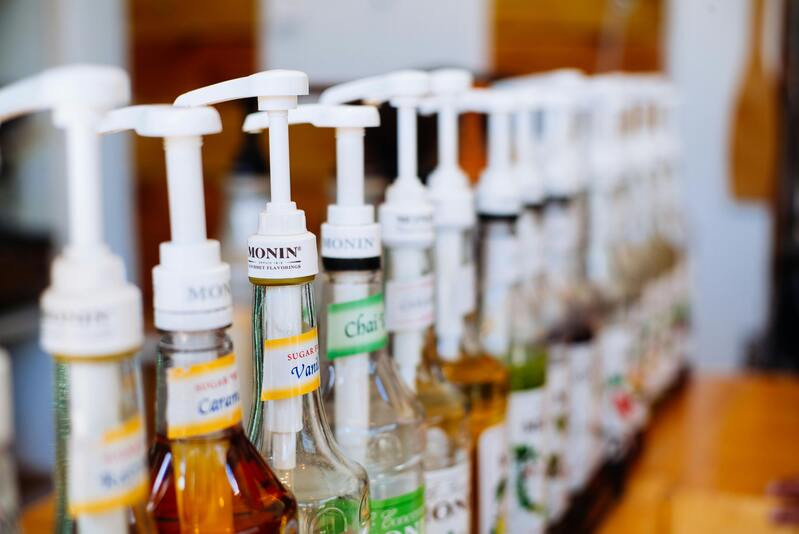
For most home kitchens, how long simple syrup last in the fridge depends largely on cleanliness and sugar ratio. Typical timelines include:
- Standard 1:1 syrup: around 3–4 weeks
- Rich syrup (2:1 sugar-to-water ratio): often 1–2 months
- Flavored syrups with fruit or herbs: sometimes shorter
Refrigeration slows bacterial growth and mold formation, but contamination from utensils or poor sealing can shorten the timeline quickly.
One important detail is that syrup may still look clear even when flavor quality has started changing.
How Long Homemade and Store-Bought Syrup Last Differently?
Commercial syrups usually last longer because they may contain:
- Preservatives
- Stabilizers
- Higher sugar concentrations
- Sterile bottling processes
How long does homemade simple syrup last? Meanwhile, homemade simple syrup usually last shorter because homemade batches are exposed to kitchen air, cookware, and containers during preparation.
Store-bought syrups can sometimes last for months after opening depending on ingredients, while homemade syrup often needs closer monitoring.
Whether Simple Syrup Can Be Left at Room Temperature?
How long does simple syrup last unrefrigerated? At room temperature, microbial growth happens much faster once water is introduced.
Moisture-rich liquids become much more vulnerable to spoilage at room temperature, especially when they are repeatedly exposed to air during use. Temperature fluctuation and contamination from utensils can speed the process up even faster
Simple syrup left out briefly during drink preparation is usually fine, but long-term room temperature storage is much riskier for homemade versions.
2. What Affects the Shelf Life of Simple Syrup?
Several small factors influence freshness more than people realize. The biggest ones include:
- Sugar concentration
- Storage temperature
- Container cleanliness
- Exposure to air
- Added ingredients like fruit or herbs
Flavored syrups tend to spoil faster because organic ingredients introduce extra moisture and bacteria.
Even something as simple as dipping a used spoon into the bottle repeatedly can shorten the storage timeline.
3. How to Make Simple Syrup Last Longer
Good storage habits can noticeably extend syrup freshness without requiring preservatives.
Store It in a Clean, Sealed Container
One of the simplest ways to improve shelf life is reducing contamination. Helpful practices include:
- Use sterilized bottles or jars
- Seal tightly after each use
- Avoid touching the bottle opening
- Use clean utensils only
Glass containers are often preferred because they absorb fewer odors and are easier to sanitize thoroughly.
Use a Higher Sugar Ratio
Higher sugar concentration helps resist microbial growth more effectively.
A rich syrup made with a 2:1 sugar-to-water ratio generally lasts longer than standard syrup because sugar lowers available water activity for microbes.
This is one reason cocktail bars often prefer richer syrups for longer storage.
Label the Date Before Storing
People often forget when the syrup was made.
Adding a simple date label helps avoid guessing later, especially since syrup can sometimes spoil gradually without dramatic visual changes at first.
>>> Read more: How Long Does Coffee Last? What Actually Affects It?
4. The First Signs of Bad Simple Syrup
Spoiled syrup usually gives warning signs before becoming obviously unusable. Watch for:
- Cloudiness
- Floating particles
- Mold spots
- Sour or fermented smell
- Bubbling unrelated to shaking
- Strange taste changes
One important point: clear syrup is not automatically safe forever. If the smell or taste changes noticeably, it is safer to discard it.
5. FAQs
Why does simple syrup turn cloudy?
Cloudiness can happen because of contamination, crystal formation, or early microbial growth. If cloudiness appears alongside odor or texture changes, the syrup should usually be discarded.
Does more sugar make simple syrup last longer?
Generally, yes. Higher sugar concentration reduces available water for microbial growth, which can extend shelf life.
Can mold grow in simple syrup?
Yes. Even though sugar slows spoilage, mold can still grow once water is added, especially if the syrup is contaminated or stored improperly.
Should simple syrup be stored in glass or plastic?
Glass is often preferred because it is easier to sanitize and less likely to retain odors or stains.
Can flavored simple syrup spoil faster?
Yes. Ingredients like fruit, herbs, and spices often shorten shelf life because they introduce additional organic material and moisture.
>>> Read more: How Long Does Sourdough Bread Last? Why It Usually Outlasts Regular Bread
6. Final Thoughts
Simple syrup may seem extremely stable because sugar itself lasts so long, but once mixed with water, the timeline changes considerably.
So, how long does simple syrup last? For most kitchens, it depends on refrigeration, sugar ratio, and cleanliness during storage. Standard homemade syrup often lasts around a few weeks refrigerated, while richer syrups may last longer.
The best strategy is simple: keep it cold, keep it sealed, and make smaller batches if you do not use syrup frequently.