Coffee can sit on a shelf for months, yet it can also lose quality surprisingly fast. The answer to how long does coffee last depends on whether you are storing whole beans, ground coffee, or brewed coffee.
The reason is simple: coffee does not have one single lifespan. Whole beans, ground coffee, and brewed coffee all age differently. Some forms remain usable for a long time, while others begin declining almost immediately after exposure to air.
Storage conditions matter as well. Heat, moisture, oxygen, and light all speed up flavor loss. In many cases, coffee becomes stale long before it becomes unsafe. Once you separate coffee by type, the answer becomes much clearer.
How Long Does Coffee Last Across Different Forms
When people ask how long does coffee last, they are often combining several very different products into one question. A sealed bag of beans, an opened container of grounds, and a cup brewed this morning should not be judged the same way.
- Whole beans usually keep quality longer than ground coffee
- Ground coffee loses aroma faster after opening
- Brewed coffee has the shortest usable window
- Refrigerated coffee can last longer than coffee left out
Freshness and safety are also different ideas. Coffee may still be drinkable after flavor has declined.
Guidance from USDA on food storage consistently emphasizes limiting moisture exposure and refrigerating perishable prepared beverages promptly, which is especially relevant for brewed coffee.
Whole Beans vs Ground: Freshness Drops Faster Than You Think
Many coffee drinkers focus on roast level or brand, but grind size often has a bigger effect on freshness than expected. Once coffee is ground, far more surface area is exposed to oxygen. That speeds up aroma loss and dulls flavor over time.
How long does ground coffee last? Ground coffee is convenient, but it declines faster after opening. An unopened package may stay acceptable for months when stored in a cool, dry pantry. After opened, flavor often starts fading within weeks, especially if the bag is not sealed well.
Many households notice the biggest changes in:
- Aroma becoming weaker
- Flavor tasting flat or muted
- Less vibrant acidity or sweetness
Using an airtight container away from heat and sunlight usually helps slow the decline.
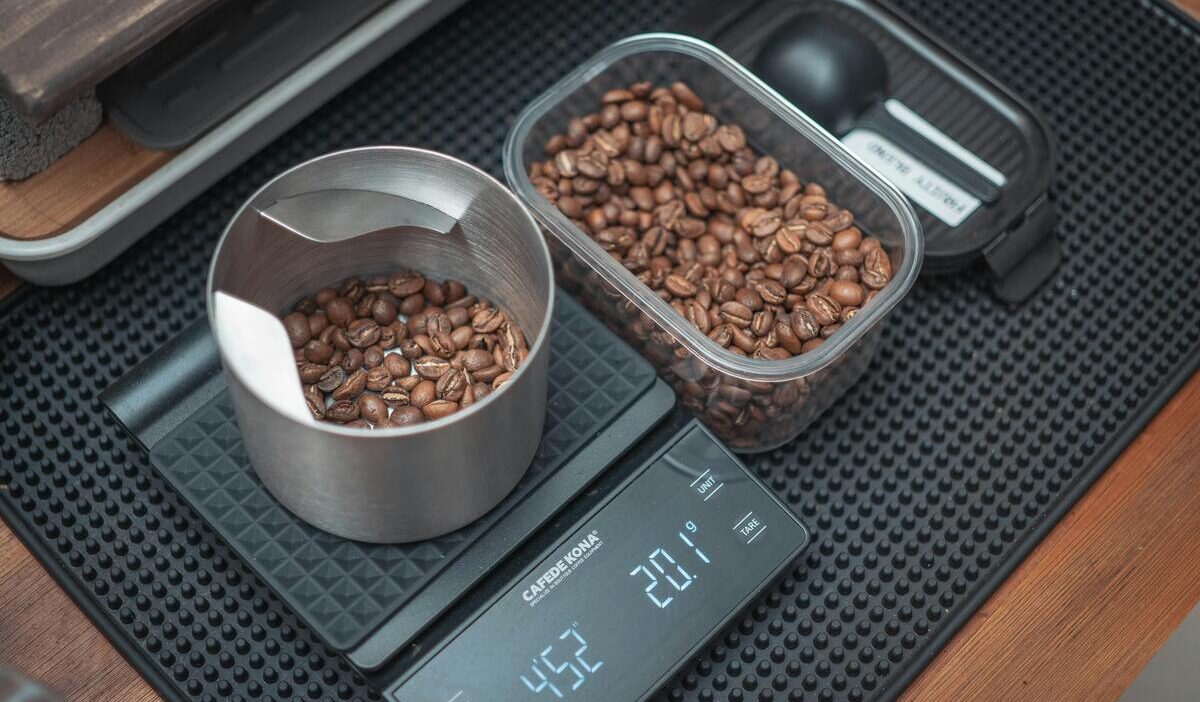
Whole beans protect internal oils and aromatics better than pre-ground coffee. Because the interior remains sealed until grinding, beans usually stay fresher longer after opening.
For many coffee drinkers, whole beans provide the best balance of shelf life and flavor. Grinding only what you need before brewing often creates a noticeable improvement in taste.
Brewed Coffee Has the Shortest Lifespan
Once coffee is brewed, water enters the equation. That changes everything.
Prepared coffee loses peak flavor quickly and becomes more sensitive to time and temperature than dry coffee products. Oxidation continues, aromas dissipate, and bacteria concerns become more relevant if milk or sweeteners are added.
Fresh Brew at Room Temperature
Fresh black coffee is usually best enjoyed soon after brewing. Flavor tends to be strongest in the first hour, then gradually becomes harsher, flatter, or more bitter as it sits.
At room temperature, plain black coffee may remain drinkable for several hours, but quality often declines much earlier.
If cream, milk, or flavored additions are mixed in, refrigeration should happen sooner because dairy-based ingredients are more perishable.
How Long Does Brewed Coffee Last in the Fridge
How long does coffee last in the fridge? Many people want to save leftovers or prepare coffee ahead of time.
Refrigeration can extend usability, especially for black coffee stored in a sealed container. In many kitchens, brewed coffee is best used within 3 to 4 days for flavor and freshness.
After that, taste often drops noticeably even if the coffee still appears normal.
>>> Read more: How Long Do Grapes Last in the Fridge? A Simple Storage Guide
The Moment Coffee Starts to Go Bad
Coffee rarely “goes bad” dramatically in the way fresh meat or dairy does. More often, it loses what made it enjoyable in the first place.
The first signs are usually subtle:
- Aroma becomes faint
- Flavor tastes dull or cardboard-like
- Oils on beans smell flat or rancid
- Brewed coffee develops stale bitterness
In wet or humid storage conditions, mold risk can also increase, especially if moisture enters the container.
Better Coffee Habits Start With Small Changes
Many people try to solve coffee problems by buying more expensive beans, when simple habits often make the bigger difference.
A few small changes can noticeably improve freshness:
- Buy amounts you can finish reasonably soon
- Keep containers sealed after each use
- Avoid storing coffee beside heat sources
- Brew only what you plan to drink
- Refrigerate leftover brewed coffee promptly
These habits can improve both taste and value without changing brands.
>>> Read more: How Long Does Salmon Last in the Fridge? A Complete Guide for Raw, Cooked & Smoked Fish
Final Thoughts
Coffee does not follow one universal timeline. Dry beans, pre-ground coffee, and brewed cups each age in their own way, which is why so many conflicting answers exist online.
The most practical way to think about how long does coffee last is to separate safety from freshness. Many forms of coffee remain usable long after flavor quality begins to fade. For most drinkers, taste is the real clock.
Beans usually hold up better than grounds, and brewed coffee moves fastest of all. Once you understand those patterns, it becomes easier to store coffee smarter, waste less, and enjoy better flavor more consistently.