
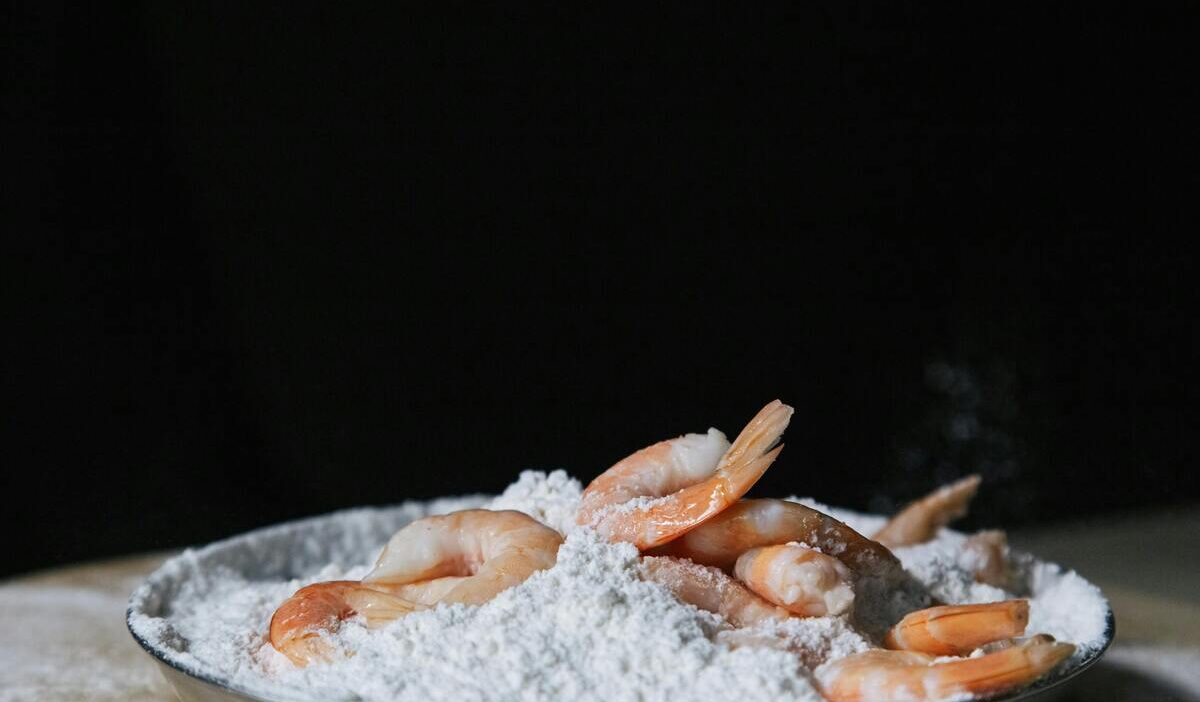
Cooked shrimp is one of those leftovers that can seem perfectly fine right until it suddenly is not. Seafood changes quickly once refrigerated, and shrimp has a much shorter margin for error than many people realize.
How long does cooked shrimp last in fridge? Smell, texture, temperature exposure, and storage method all influence how quickly shrimp declines.
Unlike some leftovers that stay usable for nearly a week, cooked shrimp usually gives you a much smaller window before freshness and safety become questionable.
1. How Long Does Cooked Shrimp Last in Fridge?
In most cases, cooked shrimp last around 3 to 4 days when stored properly in a sealed container at safe refrigerator temperatures.
The U.S. Department of Agriculture FoodKeeper storage guidance lists cooked seafood leftovers at approximately 3–4 days refrigerated under proper storage conditions.

How Long Does Shrimp Last in the Fridge After Cooked?
Leaving shrimp at room temperature too long before refrigeration shortens freshness significantly because seafood is highly sensitive to bacterial growth. Several factors affect the timeline:
- Kitchen temperature
- Container sealing
- Moisture buildup
- Whether the shrimp was already reheated once
Even within the typical 3–4 day window, quality often declines before safety does.
How Long Does Pre Cooked Shrimp Last in the Fridge?
Store-bought shrimp trays and packaged pre-cooked shrimp follow a similar refrigerated timeline once opened.
In most situations, pre cooked shrimp also last around 3 to 4 days after opening, assuming it stays refrigerated properly.
>>> Read more: How Long Does Sushi Last in the Fridge? A Sushi Clock Guide
2. How To Tell if Cooked Shrimp Has Gone Bad?
Shrimp usually gives warning signs before becoming unsafe, though some changes appear subtle at first.
Changes in Smell, Texture, and Color
Fresh cooked shrimp should smell mild and slightly salty or ocean-like. Spoilage signs include:
- Sour or ammonia-like odor
- Slimy or sticky texture
- Gray, dull, or discolored appearance
- Excess moisture inside the container
Texture changes are often one of the earliest clues. Shrimp that feels tacky instead of firm should be treated carefully.
Signs of Bacterial Growth or Spoilage
Cooked seafood can support bacterial growth quickly if temperature control is poor.
The FoodSafety explains that perishable foods left too long in unsafe temperature ranges become more vulnerable to bacterial contamination.
Visible spoilage indicators may include:
- Bubbling liquid
- Strong sour smell
- Mold growth
- Unusual softening
One important point: shrimp does not always develop dramatic visual spoilage before becoming unsafe.
When You Should Throw Shrimp Away?
If shrimp smells strongly sour, feels slimy, or has been sitting in the fridge beyond the safe storage window, it is usually safer to discard it.
Seafood poisoning risks are simply not worth stretching leftovers too far.
3. How to Keep Cooked Shrimp From Going Bad Too Quickly?
Good storage habits can make a major difference in freshness.
Refrigerate It as Soon as Possible
Shrimp should be refrigerated shortly after cooking instead of sitting out for hours. Helpful practices include:
- Cooling leftovers promptly
- Using shallow containers
- Keeping refrigerator temperature consistently cold
- Avoiding warm spots in the fridge door
Avoid Reheating the Same Shrimp Repeatedly
Repeated reheating accelerates texture decline and increases exposure to temperature changes. Shrimp reheated multiple times often becomes:
- Dry and Dehydrated: Shrimp has a high water content. Every time it is exposed to heat, it loses more moisture, causing the meat to shrink, dry out, and lose its natural juiciness.
- Rubbery and Overcooked: Seafood cooks incredibly fast. Continuous reheating causes the protein fibers to over-tighten and contract.
- Bland and Stripped of Nutrients: Repetitive heating breaks down the delicate protein structures and washes away the natural juices.
Freeze Extra Shrimp Instead of Stretching Fridge Time
If you know the shrimp will not be eaten within several days, freezing is usually the safer option.
Freezing early preserves quality better than waiting until the shrimp is already declining.
>>> Read more: How Long Does Kimchi Last? A Simple Guide to Freshness and Storage
4. FAQs
Why does shrimp become rubbery after refrigeration?
Refrigeration itself is not always the main cause. Overcooking and repeated reheating tighten shrimp proteins, creating a firmer, rubbery texture.
Is cold cooked shrimp safe to eat without reheating?
Yes, if it has been stored properly within the recommended refrigerated timeline. Many shrimp dishes are commonly eaten chilled.
Can you freeze cooked shrimp after one day in the fridge?
Usually, yes. Freezing within the first day or two generally preserves quality better than waiting until freshness has already declined.
Does shrimp spoil faster than chicken leftovers?
Seafood often has a shorter practical freshness window because it is more delicate and sensitive to temperature changes than many cooked meats.
5. Final Thoughts
Cooked shrimp does not give you much extra time once refrigerated. Even under good storage conditions, freshness declines relatively quickly compared to many leftovers.
So, how long does cooked shrimp last in fridge? For most households, it usually lasts from 3 to 4 days at most when refrigerated properly.
Storage temperature, reheating habits, and container cleanliness all influence how long shrimp actually stays usable. The safest approach is simple: refrigerate it quickly, avoid repeated reheating, and freeze leftovers early if needed.