
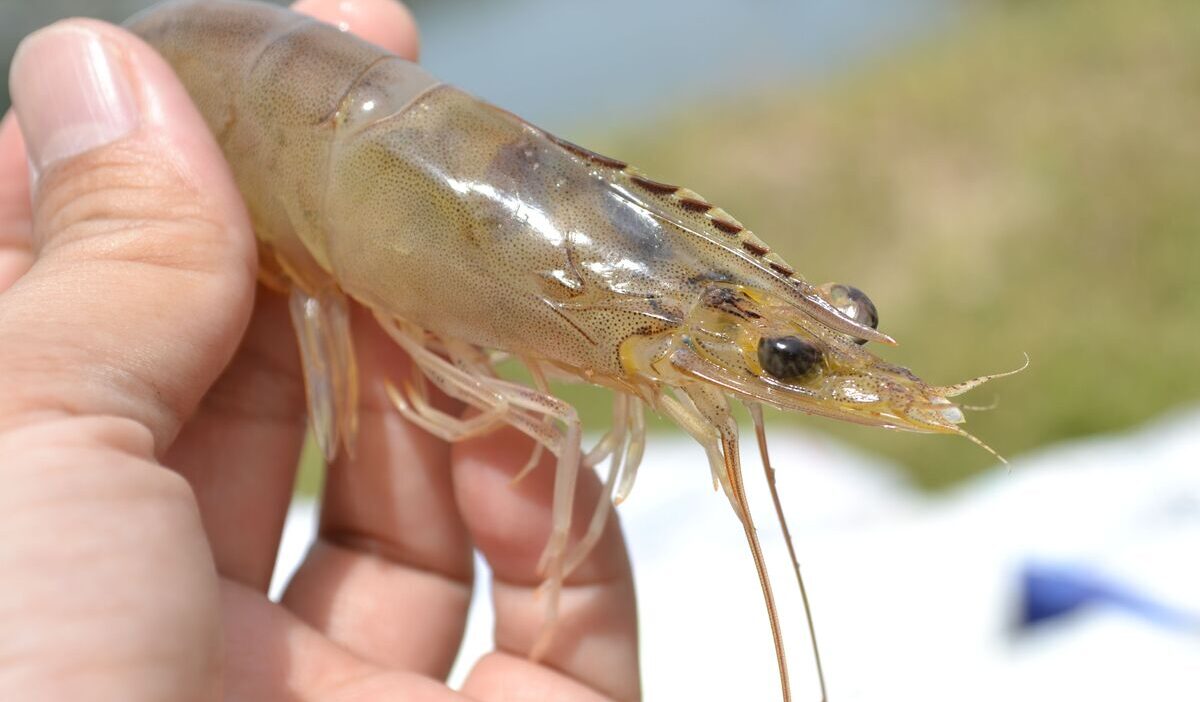
Shrimp is one of the most popular seafood options because it’s versatile, quick to cook, and packed with protein. However, shrimp is also highly perishable, which makes proper storage essential for both quality and food safety.
Many people ask how long does shrimp last in the fridge because seafood can spoil faster than many other foods. Understanding the recommended storage times for raw and cooked shrimp can help reduce food waste while lowering the risk of foodborne illness.
This guide explains how long shrimp last in the fridge, what affects their shelf life, and how to store them properly.
1. How Long Does Shrimp Last in the Fridge?
The short answer is that raw shrimp typically lasts 1 to 2 days in the refrigerator, while cooked shrimp usually remains safe for about 3 to 4 days when refrigerated properly.
To maximize freshness, shrimp should be stored at 40°F (4°C) or below and refrigerated as soon as possible after purchase or cooking.
Shrimp Refrigerator Storage Guide
| Type of Shrimp | Typical Refrigerator Life |
| Raw shrimp | 1–2 days |
| Cooked shrimp | 3–4 days |
| Thawed shrimp | 1–2 days |
| Shrimp salad | 3–4 days if prepared safely and refrigerated promptly in a sealed container. |
| Shrimp left at room temperature for over 2 hours | Discard |
| Frozen shrimp (freezer) | Several months for best quality |
This table provides a quick overview of how long does shrimp last in the fridge under common storage conditions.
How Long Does Raw Shrimp Last in the Fridge?
Raw shrimp is extremely perishable.
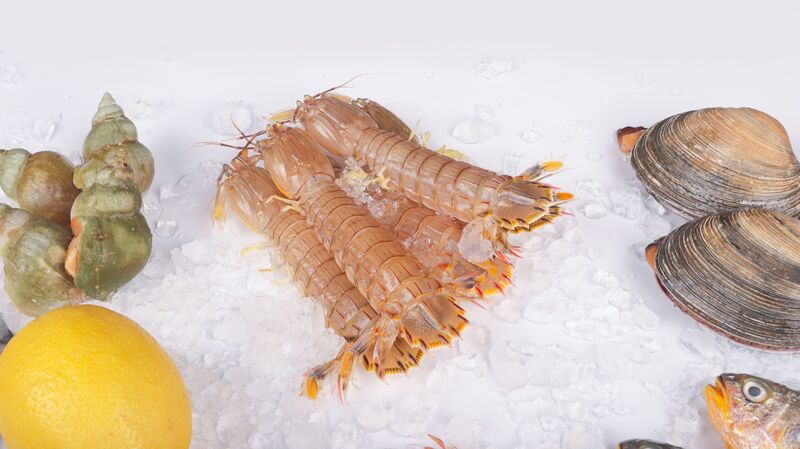
Whether purchased fresh from a seafood counter or thawed from frozen, raw shrimp generally remains safe for only 1 to 2 days in the refrigerator.
This recommendation applies to:
- Peeled shrimp
- Shell-on shrimp
- Deveined shrimp
- Fresh thawed shrimp
Because spoilage can occur quickly, raw shrimp should either be cooked or frozen within this timeframe.
How Long Does Cooked Shrimp Last in the Fridge?
Cooked shrimp typically lasts longer than raw shrimp because the cooking process reduces bacterial contamination.
When stored properly in an airtight container, cooked shrimp usually remains safe for approximately 3 to 4 days in the refrigerator.
However, quality may gradually decline during storage, so consuming it sooner is often preferable.
2. What Affects How Long Shrimp Lasts?
Several factors influence how long does shrimp last in the fridge.
Temperature
Temperature is the most important factor affecting seafood freshness.
Even small increases above recommended refrigeration temperatures can accelerate bacterial growth and shorten shelf life.
Freshness at Purchase
Shrimp that is already several days old when purchased will naturally have a shorter refrigerator life than very fresh shrimp.
Whenever possible, buy shrimp from reputable suppliers and refrigerate it immediately.
Moisture and Packaging
Improper packaging may allow moisture buildup or excessive air exposure.
Both conditions can negatively affect freshness and quality.
Cross-Contamination
Exposure to raw meat, poultry, or contaminated surfaces can increase food safety risks and shorten storage life.
Handling Practices
Repeated temperature fluctuations, prolonged room-temperature exposure, and improper storage methods can all reduce shelf life.
3. How to Store Shrimp Properly in the Refrigerator?
Proper storage plays a major role in determining how long does shrimp last in the fridge.
Keep Shrimp at the Right Temperature
Shrimp should be stored at 40°F (4°C) or below.
For maximum freshness, many food safety experts recommend keeping seafood in the coldest part of the refrigerator.
A refrigerator thermometer can help verify that temperatures remain within a safe range.
Use Airtight Containers or Sealed Bags
Airtight storage helps reduce exposure to:
- Air
- Moisture
- Odors
- Potential contaminants
Resealable freezer bags and airtight food containers are both good options.
Store Raw and Cooked Shrimp Separately
Raw and cooked shrimp should never be stored together.
Keeping them separate helps prevent cross-contamination and reduces food safety risks.
Use different containers whenever possible.
Avoid Leaving Shrimp in Original Packaging Too Long
Many store packages are designed primarily for transportation and display rather than extended storage.
If you do not plan to cook the shrimp immediately, transferring it to a properly sealed container may help preserve freshness and reduce leakage.
4. How Can You Tell if Shrimp Has Gone Bad?
Because shrimp is highly perishable, it should always be inspected before cooking or eating.
Common signs of spoilage include:
- Strong fishy, sour, or ammonia-like odor
- Slimy or sticky texture
- Discoloration
- New, unusual, or excessive black spots, especially with odor, slime, or mushy texture.
- Mushy flesh
- Leaking liquid
Fresh shrimp should have a mild ocean-like smell and a firm texture.
If you’re unsure whether shrimp is still safe, it’s generally best to discard it rather than risk foodborne illness.
5. Can You Freeze Shrimp Before It Spoils?
Yes. Freezing is one of the best ways to extend the shelf life of shrimp before it spoils.
If you don’t plan to cook raw shrimp within 1 to 2 days, freezing can help preserve both quality and safety.
For best results:
- Freeze shrimp as soon as possible after purchase.
- Use airtight freezer bags or freezer-safe containers.
- Remove excess air before sealing.
- Label the package with the freezing date.
Although frozen shrimp can remain safe for much longer when kept continuously frozen, quality is generally best when used within several months.
6. Common Storage Mistakes That Shorten Shrimp’s Freshness
Several common mistakes can significantly reduce how long does shrimp last in the fridge.
- Leaving shrimp at room temperature for too long
- Storing shrimp above 40°F (4°C)
- Keeping shrimp in leaking or poorly sealed packaging
- Mixing raw and cooked shrimp
- Waiting too long to refrigerate leftovers
- Repeatedly warming and cooling shrimp
- Ignoring early signs of spoilage
- Overcrowding storage containers
- Storing shrimp near foods that may cause cross-contamination
Avoiding these mistakes can help maintain quality and reduce food safety risks.
>>> Read more: How Long Does Sushi Last in the Fridge? A Sushi Clock Guide
7. FAQs
Can Shrimp Stay Fresh if Stored on Ice Inside the Refrigerator?
Yes. Storing shrimp on ice inside the refrigerator can help keep it colder and fresher for a short time. Place the shrimp in a sealed or leak-proof container, keep it cold, and use raw shrimp within 1 to 2 days for best safety and quality.
Is It Safe to Cook Shrimp on Its Last Recommended Storage Day?
Generally, yes. If the shrimp has been continuously refrigerated, remains within the recommended storage timeframe, and shows no signs of spoilage, cooking it on the final recommended day is usually acceptable. Always inspect the shrimp carefully before use.
Can Cooked and Raw Shrimp Be Stored in the Same Container?
No. Raw and cooked shrimp should be stored separately. Keeping them together increases the risk of cross-contamination and may compromise food safety. Separate sealed containers are the safest option.
Is Shrimp Still Good After 5 Days in the Fridge?
Usually not if it is raw. Raw shrimp is generally recommended for use within 1 to 2 days. Cooked shrimp is usually recommended within 3 to 4 days. Five days may exceed recommended refrigerator storage times, particularly for raw shrimp.
How Long Is Shrimp Good for After Thawed?
Thawed shrimp typically remain safe for about 1 to 2 days in the refrigerator. If you thaw shrimp and decide not to cook them immediately, they should either be cooked within this period or frozen again if appropriate food-safety conditions have been maintained.
>>> Read more: How Long Does Cooked Shrimp Last in Fridge? It Doesn’t Give You Much Time
8. Conclusion
If you’re wondering how long does shrimp last in the fridge, the general guideline is one to two days for raw shrimp and three to four days for cooked shrimp. Proper refrigeration, airtight storage, and prompt handling are essential for maintaining both quality and safety.
Because seafood can spoil quickly, it’s important to watch for warning signs such as strong odors, slimy texture, and discoloration. When in doubt, it’s safer to discard questionable shrimp rather than risk foodborne illness.
Understanding how long does shrimp last in the fridge can help you store seafood safely, reduce waste, and enjoy better-tasting meals.