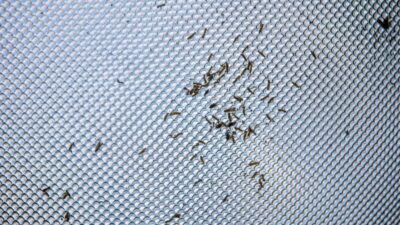
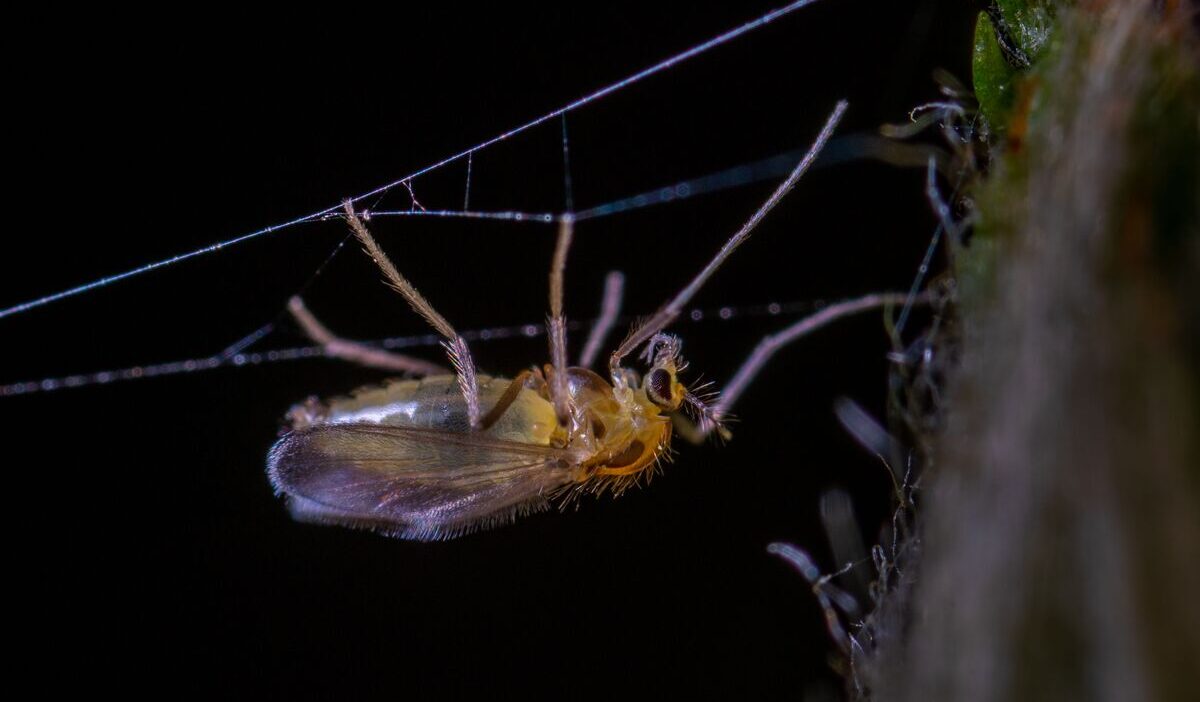
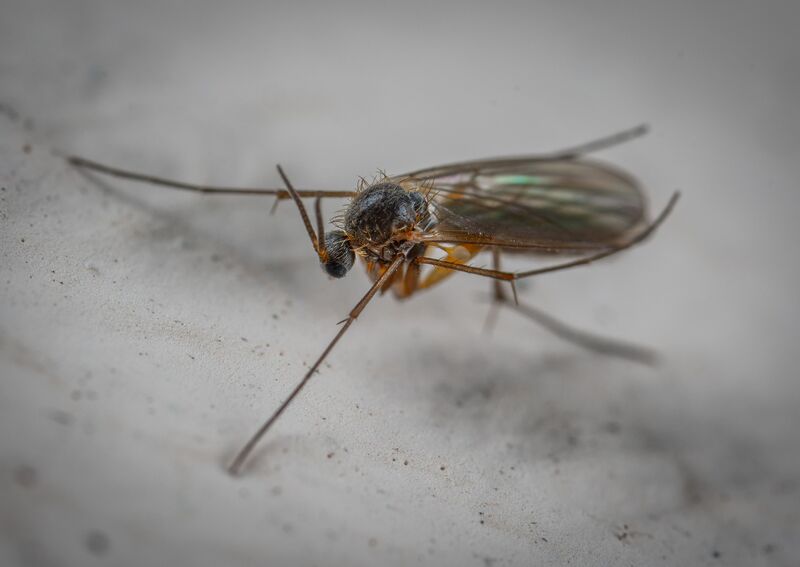
Fungus gnats are tiny, mosquito-like flies that hover around houseplants, windows, and damp potting soil. The adults are mostly a nuisance and do not bite, but their larvae live in the growing medium and feed on fungi, algae, decaying organic matter, and sometimes fine plant roots.
How to get rid of fungus gnats? The most effective method is to target both stages of the infestation. Sticky traps catch flying adults, while changes to watering, drainage, and soil treatment reduce the larvae developing inside plant containers.
1. Why Do Fungus Gnats Keep Appearing?
Fungus gnats continue returning when the potting mix remains moist enough for eggs and larvae to survive.
Killing the adults near a window may reduce the immediate annoyance, but another generation can emerge if the soil conditions remain unchanged.
Overwatered Soil
Continuously wet potting soil provides ideal conditions for fungi and algae, which are major food sources for fungus gnat larvae.
Overwatering also leaves the upper soil layer damp enough for adult females to lay eggs. Allow the growing medium to dry to the level appropriate for the plant before watering again.
Organic Matter in Potting Mix
Fungus gnat larvae feed on fungi and decomposing organic material in potting media. Old leaves, dead roots, compost-rich mixes, and plant debris on the soil surface may increase the available food supply.
Remove fallen leaves and other decaying material promptly. If a plant is heavily infested and the soil remains compacted or sour-smelling, repotting into fresh commercial potting mix may be helpful.
Poor Drainage
A container without adequate drainage can remain wet long after watering. Water may also collect inside decorative outer pots or saucers, keeping the lower root zone saturated.
Make sure each container has working drainage holes and empty excess water from saucers.
2. How to Get Rid of Fungus Gnats Naturally?
The safest answer is to reduce soil moisture, remove decaying material, trap adults, and isolate infested plants.
Begin by allowing the top layer of potting mix to dry as much as the plant can safely tolerate. Place yellow sticky cards near the soil surface to catch adults before they lay more eggs.
Get Rid of Fungus Gnats in Plants
How to get rid of fungus gnats in plants? Let the soil surface dry between waterings and improve airflow around the containers.
If the plant tolerates bottom watering, adding water through the saucer may help keep the upper soil layer drier, but any excess should still be emptied afterward.
Yellow sticky traps should be positioned close to the potting mix because adult fungus gnats spend much of their time walking or flying near the soil.
Get Rid of Fungus Gnats in House
How to get rid of fungus gnats in house? Inspect every plant instead of treating only the one surrounded by visible flies. Adults may gather at windows even when they developed in a pot across the room.
Place sticky cards in several containers to identify which plants are producing the most gnats. Vacuum adults resting around windows when convenient, but treat the plant soil at the same time.
>>> Read more: How to Get Rid of Groundhogs and Keep Them From Returning
3. Which Fungus Gnat Treatments Work Best?
The strongest results usually come from combining moisture control with adult monitoring and a treatment that reaches larvae.
| Treatment | What It Does | Main Limitation |
|---|---|---|
| Letting soil dry | Reduces fungi and makes the soil less suitable for eggs and larvae | Must be adjusted to the plant’s water needs |
| Yellow sticky traps | Catches and monitors adult gnats | Does not kill larvae in the soil |
| Fresh potting mix | Removes heavily infested or degraded growing medium | Repotting may temporarily stress the plant |
| Bti soil drench | Targets fungus gnat larvae | Must be labeled and applied correctly |
| Beneficial nematodes | Parasitize larvae in the growing medium | May be difficult to obtain and require proper storage |
| Contact sprays | May kill exposed adults | Effects are brief and larvae remain unaffected |
It also explains that short-lasting sprays aimed at adults require frequent reapplication and do not affect the immature stages in the soil.
4. What Should You Avoid When Treating Fungus Gnats?
Several common mistakes can prolong the infestation or damage the plants.
| Mistake | Why It Causes Problems | Better Approach |
|---|---|---|
| Watering on a fixed schedule | Soil may stay continuously wet | Check moisture before watering |
| Using only sticky traps | Larvae continue developing underground | Combine traps with soil management |
| Spraying random DIY mixtures | Household detergents or oils may burn foliage | Use only products labeled for plants |
| Leaving dead leaves on soil | Decaying matter can support larvae | Remove debris promptly |
| Repotting into garden soil | Heavy soil may drain poorly and introduce pests | Use clean commercial potting mix |
| Treating one plant only | Other containers may be hidden breeding sources | Inspect the entire plant collection |
| Expecting immediate results | Existing pupae may still emerge | Continue control through the full life cycle |
5. How Can You Prevent Fungus Gnats From Coming Back?
Inspect new plants carefully and isolate them from existing plants for several weeks. Colorado State University Extension recommends quarantining new additions for at least three weeks so pests can be detected before the plants join the main collection.
Use clean containers and fresh potting mix. Remove dead foliage, keep saucers empty, and avoid allowing decorative pots to hold standing water.
>>> Read more: How to Get Rid of Roaches Overnight Without Making the Infestation Worse
6. Final Thoughts
How to get rid of fungus gnats? The most dependable answer is to treat the soil conditions supporting them. Let the growing medium dry appropriately, improve drainage, remove decaying material, and use yellow sticky traps to reduce and monitor adults.