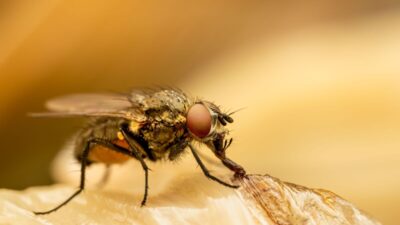
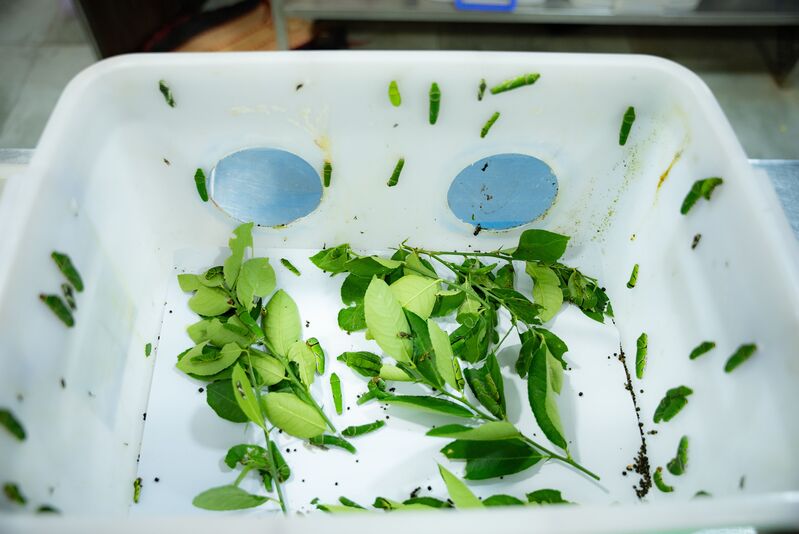
Maggots are fly larvae. They usually appear where adult flies have laid eggs on food waste, garbage, dead animals, pet waste, or other decaying organic material. Although the sight of them can be alarming, the infestation can usually be controlled by removing the breeding source, cleaning the affected area, and preventing flies from returning.
The most effective approach to how to get rid of maggots is not simply killing the larvae you can see. You also need to remove the waste or organic material supporting them, dispose of it safely, clean the container or surface, and block adult flies from laying more eggs.
1. What Causes Maggots in the House?
Maggots do not appear spontaneously. Adult flies lay eggs in moist, decomposing material, and those eggs hatch into pale, legless larvae.
Warm weather can speed this process, which is why maggots may seem to appear suddenly in a trash can or kitchen.
Food Waste and Organic Material
Discarded meat, spoiled produce, food scraps, grease, pet food, and liquid collecting at the bottom of a trash can can attract egg-laying flies.
Even after a garbage bag is removed, residue may remain around the lid, handles, bottom, or surrounding floor. This material can continue supporting larvae unless the container is washed thoroughly.
Flies Laying Eggs
House flies, blow flies, and related species lay eggs directly on material that will feed the larvae after they hatch. The adult flies may enter through open doors, damaged screens, or gaps around windows.
Flies develop through four stages: egg, larva, pupa, and adult. Once maggots finish feeding, they often crawl away from the wet breeding source and search for a dry place to pupate.
Dead Animals or Hidden Organic Debris
A sudden cluster of maggots in an attic, wall area, chimney, garage, or basement may indicate a dead bird, rodent, or other animal nearby.
Hidden food beneath an appliance, a leaking garbage bag, animal waste, or decaying material inside a drain can also create a breeding source.
Warm Temperatures
Warm conditions accelerate fly development. During summer, eggs may hatch quickly and larvae can grow rapidly, making a small waste problem turn into a visible infestation within days.
This explains what causes maggots in the house even when the garbage was left indoors for only a relatively short period.
2. How to Get Rid of Maggots in Your Home
How to get rid of maggots in house? Wear disposable gloves, keep children and pets away, and avoid touching the larvae or contaminated waste directly.
Get Rid of Maggots in Trash Can
How to get rid of maggots in trash can? EPA guidance emphasizes that regular washing removes sticky waste buildup and makes garbage containers less attractive to flies and other pests. Tight lids and frequent waste pickup also reduce breeding opportunities.
Get Rid of Maggots in House
Check beneath appliances, behind trash cans, inside cabinets, around pet feeding areas, and near doors or windows.
If maggots are emerging from a wall, ceiling, or inaccessible void, avoid spraying random chemicals into the opening.
A hidden animal carcass or plumbing problem may require a pest control professional, plumber, or wildlife-removal service.
3. Will a Maggot Infestation Go Away?
A maggot infestation may appear to disappear when the larvae pupate, but the problem is not truly resolved if the breeding source remains.
Adult flies can emerge from pupae and begin another cycle.
4. What Scent Keeps Maggots Away?
There is no scent that reliably prevents maggots when flies still have access to food waste, moisture, or decaying material.
Peppermint, vinegar, citrus, eucalyptus, and other strong odors are commonly promoted as repellents, but they do not remove eggs, larvae, or the organic matter supporting them. Their effect, if any, is likely to be temporary.
>>> Read more: How to Get Rid of Earwigs: What Attracts Them and How to Stop
5. How Can You Prevent Maggots From Coming Back?
The following habits are especially important during warm weather.
Take Out Trash Frequently
Do not allow food waste to remain indoors for several days. Tie garbage bags securely and remove them before they leak or develop strong odors.
Use an outdoor container with a tight-fitting lid. University of Minnesota Extension recommends tightly tied bags, regularly cleaned cans, and secure lids as key fly-control measures.
Store Food Properly
Keep meat, produce, pet food, and leftovers refrigerated or inside sealed containers. Clean crumbs and spills promptly, and do not leave dirty dishes or open food exposed overnight.
EPA recommends storing food in sealed plastic or glass containers and removing garbage regularly.
Clean Trash Cans Regularly
Wash indoor and outdoor trash containers before residue accumulates. Pay attention to the lid, rim, bottom, and wheels, where food liquid may collect.
Allow containers to dry before inserting a new liner. Prevent rainwater or leaking waste from standing inside outdoor receptacles.
Keep Flies Out of the House
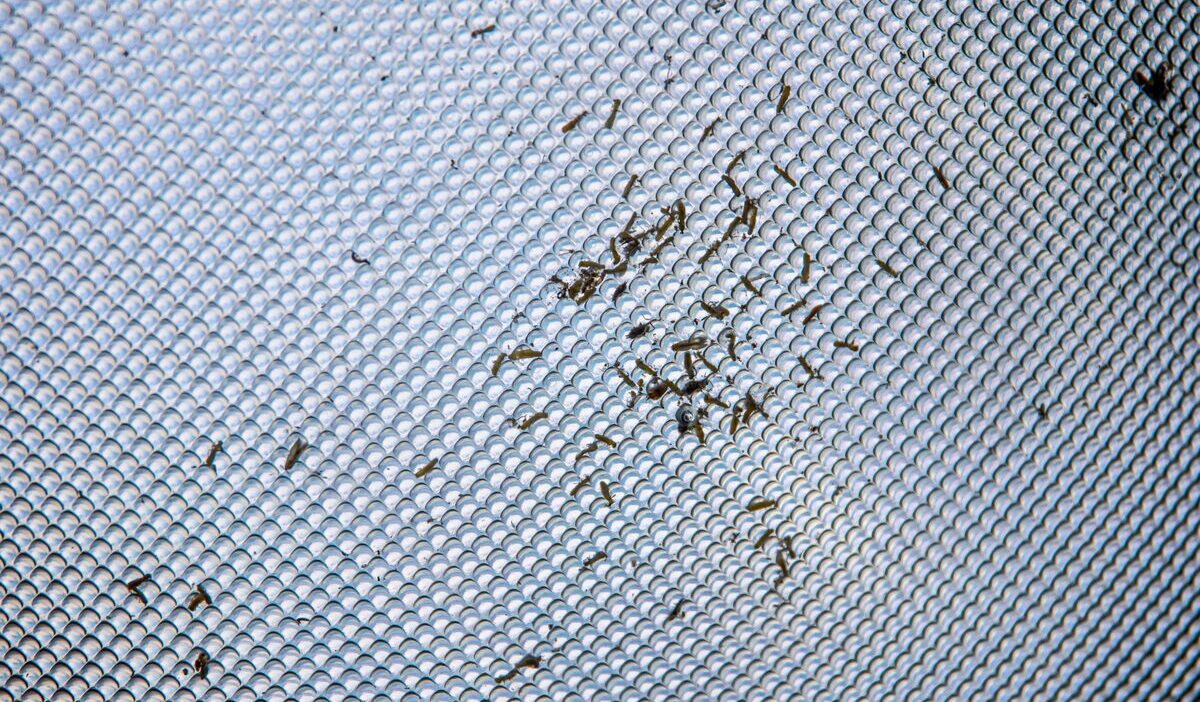
Repair damaged screens and keep doors closed when possible. Use properly fitted screens on windows and doors, especially near kitchens and trash areas.
University of Minnesota Extension recommends 14- to 16-mesh screens for limiting fly entry. Sticky flypaper may help with a small number of adults, but it should be placed out of reach of children and pets.
>>> Read more: How to Get Rid of Aphids on Plants and Keep Them From Coming Back
6. Final Thoughts
The best method for how to get rid of maggots is to remove the material where flies laid their eggs. Seal and discard infested waste, collect visible larvae, wash the entire area, and allow it to dry.
Cleaning only the maggots you can see is not enough. Inspect nearby cracks, appliances, drains, pet areas, and wall spaces for hidden organic material. Persistent infestations may point to a dead animal, sewer issue, or inaccessible breeding source.