For many people using EBT, the learning process starts out simple. You quickly understand that groceries are covered, certain items go through without any issue, and others do not.
But then you run into a situation that doesn’t feel logical.
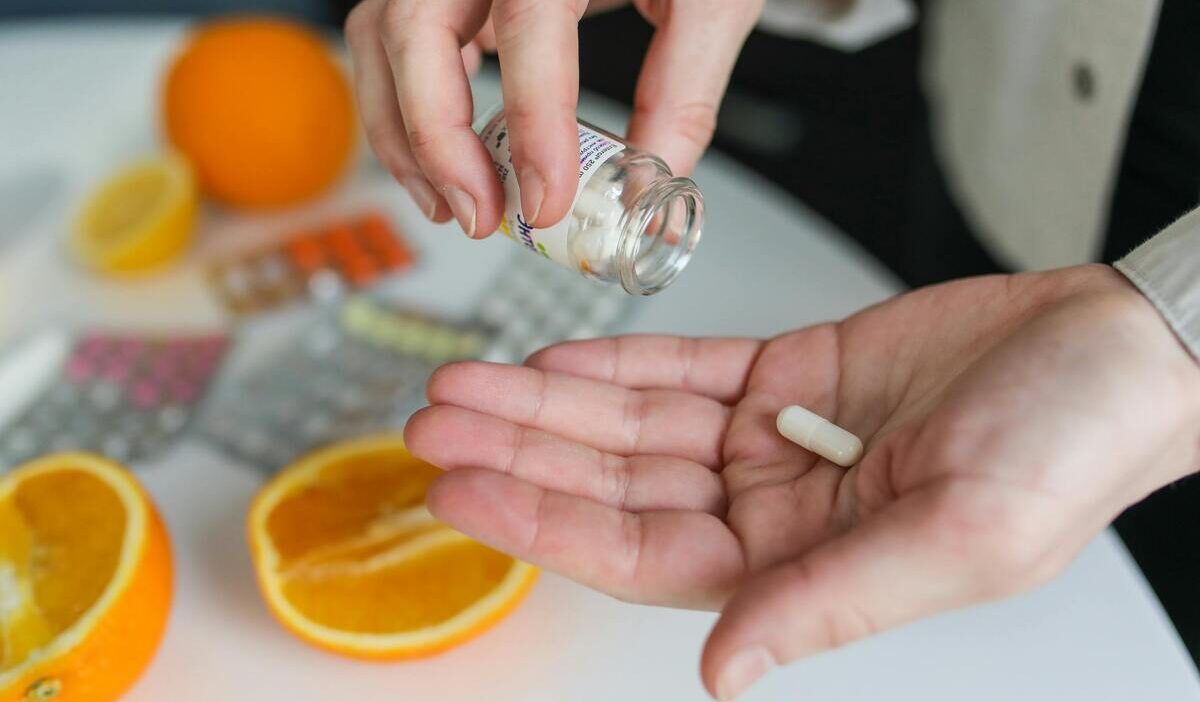
You pick up a bottle of vitamins, something clearly related to nutrition, and suddenly wonder: Can you buy vitamins with EBT?
The confusion comes from how people think the system should work versus how it actually works.
From a practical point of view, vitamins seem like they belong in the same category as food. They support health, they’re often recommended daily, and they’re sold in grocery stores. But SNAP does not make decisions based on purpose or benefit; it relies on classification.
Once you understand that difference, the entire system becomes much easier to navigate.
Can You Buy Vitamins With EBT?
To fully answer can you buy vitamins with EBT?, you need to understand one core principle:
SNAP only covers food intended for human consumption.
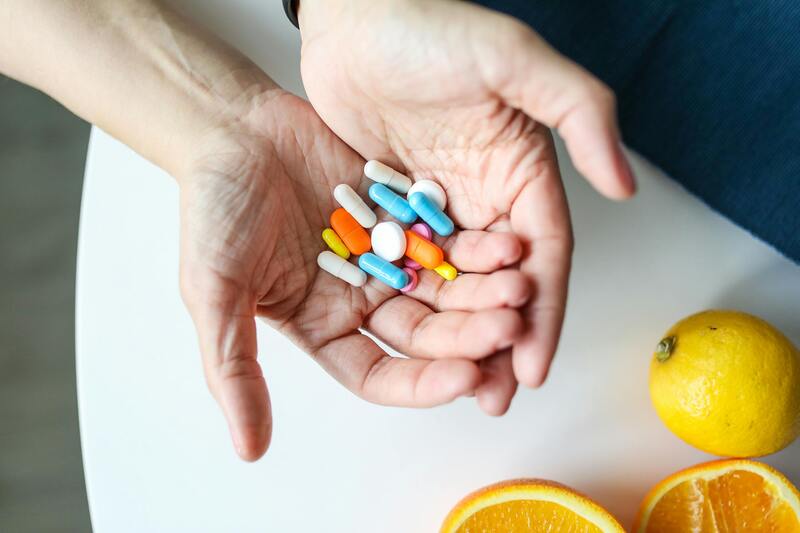
Vitamins, despite their role in supporting health, are not classified as food. Instead, they fall under the category of dietary supplements.
Because of that:
- They are not eligible under SNAP
- They cannot be purchased using EBT food benefits
- The restriction applies consistently across all states
This is why many users feel confused the first time a vitamin product is declined. From a user perspective, it feels like nutrition, but from a system perspective, it is not treated as food.
The gap between those two perspectives is exactly why the question can you buy vitamins with EBT continues to come up so frequently.
The Rule That Decides Everything
If there is one rule that completely answers can you buy vitamins with EBT, it is this:
The label on the product determines eligibility, not the product itself.
Specifically:
- Products with Nutrition Facts → treated as food → eligible
- Products with Supplement Facts → treated as supplements → not eligible
This rule is applied across all SNAP-authorized retailers and is the foundation of how the system works.
At a glance, many products look identical.
For example:
- A fortified drink vs a dietary supplement drink
- A gummy snack vs a vitamin gummy
- A protein shake vs a protein supplement
The packaging, flavor, and marketing may be similar. However, the label tells the system how to classify the product.
That means:
- A product that looks “healthy” can still be declined
- A product that looks like a snack can still be approved
This explains why people often re-ask can you buy vitamins with EBT after experiencing inconsistent results at checkout.
Imagine standing in a store deciding between two products:
- A fruit-flavored chewable labeled as a supplement
- A similar-looking snack labeled as food
Even though both are consumed in small quantities and marketed for health:
- The supplement will not go through
- The food item will
This situation happens often, especially with vitamin gummies and fortified snacks.
>>> Read more: Can You Buy Formula With EBT? What SNAP Covers for Infant Nutrition
Why Vitamins Are Not Covered by SNAP
To understand the deeper reason behind “can you buy vitamins with EBT”, you need to look at the purpose of SNAP itself.
SNAP is designed to:
- Ensure access to food
- Support basic dietary needs
- Maintain a consistent and enforceable system
It is not designed to:
- Cover medical or health-related products
- Fund supplements or wellness products
- Evaluate individual nutritional choices
Vitamins fall into a category that overlaps with health, medicine, and supplementation. That makes them harder to define within a food-based program.
For example:
- Should protein supplements be allowed?
- What about herbal remedies?
- Where does “food” end and “health product” begin?
These questions introduce complexity that SNAP is designed to avoid.
By excluding supplements entirely, the program maintains:
- Clear rules
- Consistent enforcement
- Fewer gray areas for retailers and users
This is why the answer to can you buy vitamins with EBT has remained stable over time.
What Happens at Checkout
One of the most important parts of understanding can you buy vitamins with EBT is knowing how the system behaves during a transaction.
At checkout, the process is automatic:
- The barcode is scanned
- The system identifies the product category
- Eligibility is checked instantly
For vitamins, the result is usually:
- The item is flagged as a supplement
- It is excluded from SNAP payment
- The system prompts for another payment method
Even though the rules are consistent, the experience can feel unpredictable.
Some common situations include:
- A product is accepted in one store but declined in another
- Similar-looking items have different results
- A mixed cart requiring multiple payment methods
These differences are usually caused by:
- Store database variations
- Product classification differences
- Labeling inconsistencies
Despite these variations, the underlying rule does not change.
- Example of a mixed transaction
A typical checkout might include:
- Bread, milk, and vegetables
- A bottle of multivitamins
During payment:
- The groceries are approved
- The vitamins are declining
You then need to:
- Remove the vitamins
- Or pay for them separately
Vitamins vs Supplements vs Food: Quick Comparison
To make things clearer, here is a simple breakdown:
| Category | Label | Eligible | Examples |
| Food | Nutrition Facts | Yes | Fruits, bread, milk |
| Vitamins | Supplement Facts | No | Multivitamins, vitamin C |
| Supplements | Supplement Facts | No | Protein supplements, herbal capsules |
The most important insight is:
SNAP does not evaluate purpose; it evaluates classification.
This means:
- Something beneficial is not automatically eligible
- Something non-essential can still be allowed
- The label determines everything
This is why understanding can you buy vitamins with EBT becomes much easier once you stop focusing on the product and start focusing on how it is labeled.
>>> Read more: Can You Buy Protein Powder With EBT? What SNAP Actually Allows?
FAQs
Can you buy vitamins with EBT?
Vitamins are generally not eligible because they are classified as dietary supplements rather than food.
Are there any vitamins that qualify under SNAP?
In rare cases, a product labeled as food with Nutrition Facts may qualify, but most vitamins do not meet this requirement.
Why are vitamins considered supplements instead of food?
They are designed to supplement a diet rather than serve as a primary source of nutrition.
What happens if I try to buy vitamins with EBT?
The system will typically decline the item and require a different payment method.
Are herbal or natural supplements covered?
Most herbal products are also classified as supplements and are not eligible under SNAP.
Final Thoughts
The question can you buy vitamins with EBT often comes from a logical assumption that anything related to nutrition should be included.
However, SNAP operates on a different logic.
It is built around:
- Clear categories
- Consistent rules
- Simple enforcement
Because vitamins are classified as supplements, they fall outside of those categories.
Once you understand:
- How labeling determines eligibility
- Why SNAP avoids gray areas
- What happens during checkout
You can approach your purchases with more confidence and fewer surprises.