
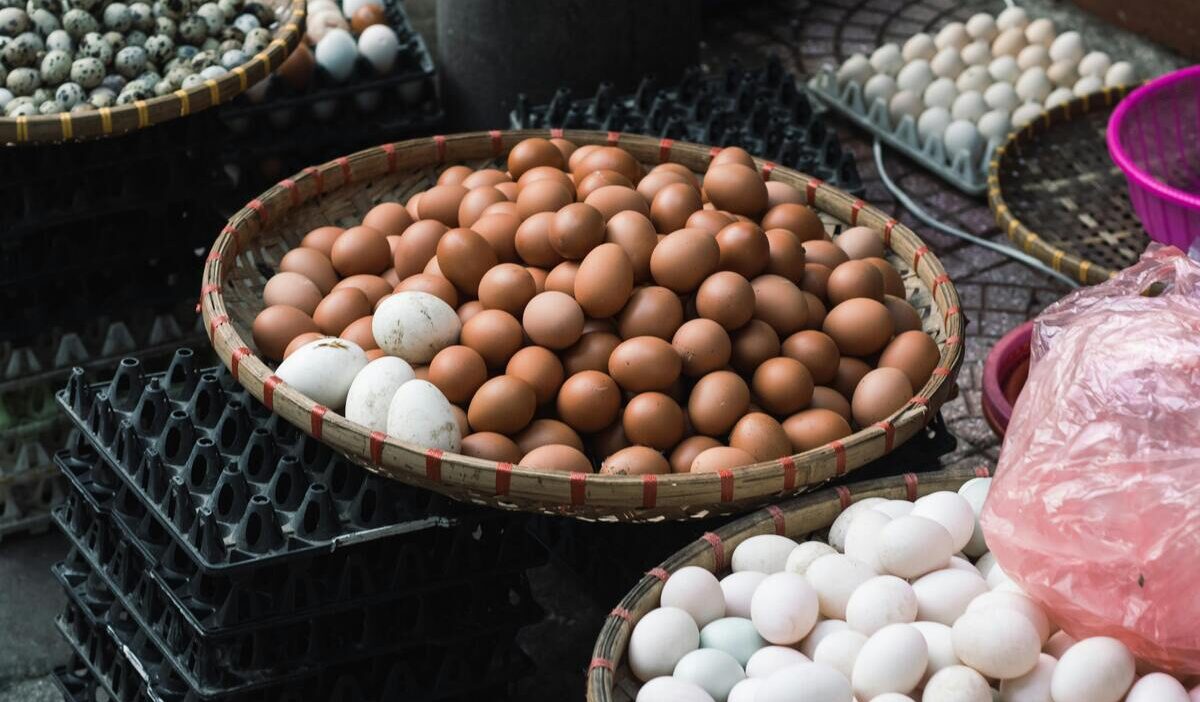
Farm fresh eggs often feel different from store-bought eggs the moment you hold them. They may have thicker shells, brighter yolks, natural shell markings, or a recent collection date you actually know.
Because they have not always gone through the same washing and distribution process as supermarket eggs, they also follow a different storage story.
How long do farm fresh eggs last? Fresh eggs can last surprisingly well when handled correctly, but storage method matters. Whether they are washed or unwashed, kept on the counter or refrigerated, and how clean they were at collection all influence shelf life.
How Long Do Farm Fresh Eggs Last?
Eggs naturally have a protective outer coating, often called the bloom or cuticle, which helps reduce moisture loss and limits bacteria entering through shell pores.
When that coating remains intact, eggs can behave differently from commercially washed eggs. General timelines vary:
- Unwashed eggs at cool room conditions may last for a meaningful period depending on environment
- Refrigerated eggs often keep quality longer
- Washed eggs usually benefit from refrigeration sooner
How long do farm fresh eggs last in the refrigerator? For households choosing refrigeration, farm fresh eggs in the refrigerator often last longer than room-temperature storage because cold conditions slow quality decline. Refrigeration is especially practical when:
- You collected a large batch
- Indoor temperatures run warm
- Eggs have been washed
- You want the longest storage window possible
Warm kitchens shorten quality faster than cool pantries. In hot climates, refrigeration usually becomes the safer and simpler option.
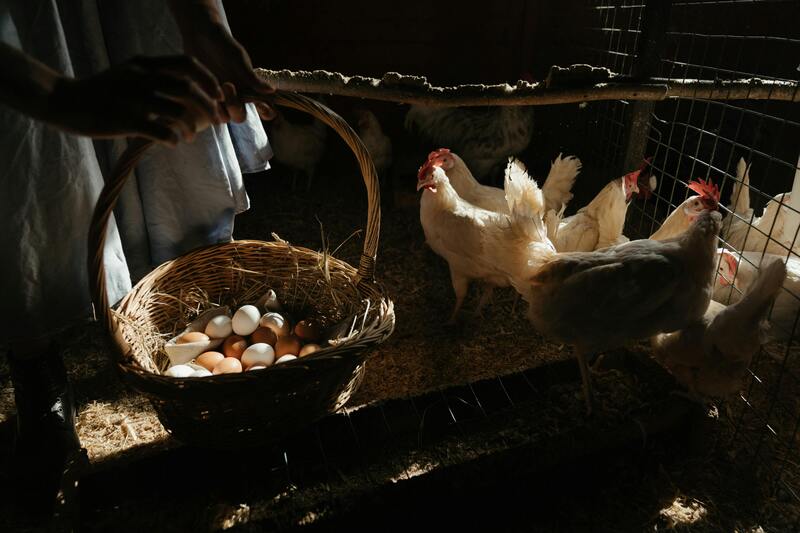
Unwashed Eggs Usually Keep Their Quality Longer
How long do farm fresh eggs last unwashed? One major reason farm eggs store differently is the natural coating left on the shell when eggs have not been washed. That protective layer helps reduce:
- Moisture loss
- Odor absorption
- Easy movement of contaminants through shell pores
However, visibly dirty eggs should be handled carefully. If cleaning is needed, many keepers prefer dry brushing or minimal cleaning methods until ready to refrigerate or use.
Once eggs are washed, that natural protection is reduced. At that point, refrigeration becomes more important.
Counter or Fridge: Which One Makes More Sense?
There is no one-size-fits-all answer. The best choice depends on climate, kitchen habits, and how quickly eggs will be used.
How long do farm fresh eggs last on the counter? Counter storage can make sense when:
- Eggs are unwashed
- Room temperatures stay cool and stable
- You use eggs quickly
- You prefer room-temperature eggs for cooking or baking
Refrigeration often makes more sense when:
- Temperatures fluctuate
- Eggs were washed
- You collected many eggs at once
- You want longer quality retention
- You prefer lower-risk storage conditions
For many modern households, refrigeration is the easiest consistent system.
>>> Read more: How Long Does Rice Last in the Fridge? Storage Time, Safety & Leftover Tips
Fresh Eggs Often Tell You Their Condition
Farm eggs frequently give useful clues about freshness if you know what to look for.
Visual Clues
Before cracking, check for:
- Cracks in the shell
- Sticky residue
- Strong odor outside the shell
- Powdery mold spots
- Unusual seepage
These signs suggest the egg should be discarded.
After Cracking Open
Once opened, fresher eggs often show:
- Firmer whites that spread less
- Yolk sitting higher and rounder
- Cleaner smell
Older eggs may have thinner whites that spread more quickly. That does not automatically mean spoiled, but it can signal age.
Float Test Isn’t the Only Test
As eggs age, air pockets inside enlarge, which is why some float in water. But floating alone does not confirm spoilage.
It is only one clue. Smell after cracking and visual inspection are often more useful final checks.
Best Strategy If You Collected a Large Batch
When you suddenly have many eggs, organization becomes the smartest move. Helpful strategies include:
- Mark collection dates on cartons
- Use oldest eggs first
- Refrigerate extra supply
- Separate washed from unwashed eggs
- Inspect shells before storing
- Plan meals that use multiple eggs early
Large batches are where people most often lose track of age.
Why date labeling matters? Even excellent memory fades after a few weeks. A simple date mark often prevents uncertainty later.
>>> Read more: How Long Does Pizza Last in the Fridge? Storage Timeline, Safety & Reheating Guide
FAQs
How do you know if farm fresh eggs are still good?
Check the shell for cracks or leaks, then crack the egg into a separate bowl. Unpleasant odor or abnormal appearance are stronger warning signs than age alone.
Do farm fresh eggs go bad faster than store bought?
Not necessarily. Unwashed fresh eggs may keep very well because of the natural protective coating. Storage conditions make a big difference.
When should you not eat a farm fresh egg?
Avoid eggs with cracks, foul odor, mold, leaking shells, or unusual appearance after cracking.
Final Thoughts
Farm fresh eggs do not follow the exact same storage pattern as supermarket eggs because washing, handling, and collection timing can be very different.
For most households, how long do farm fresh eggs last depends on whether they are washed, how cool they are stored, and how carefully they are rotated. Unwashed eggs may keep quality well, while refrigeration often offers the most reliable long-term option.
The best method is not chasing one magic number. It is combining smart storage with simple freshness checks.