Finding a large, shiny insect near a drain or in a damp basement usually leads straight to a search for how to get rid of water bugs. Before anything else, it helps to know what that insect actually is, since the name gets used for something people rarely expect, and that mix-up changes what actually needs to happen next.
1. Are Water Bugs Actually Cockroaches?
In most homes, yes. The insect people call a water bug is almost always the Oriental cockroach, a species that earned its nickname because of how strongly it depends on dark, damp, and cool conditions.
It isn’t a separate bug that lives in ponds or ditches, despite the name suggesting otherwise.
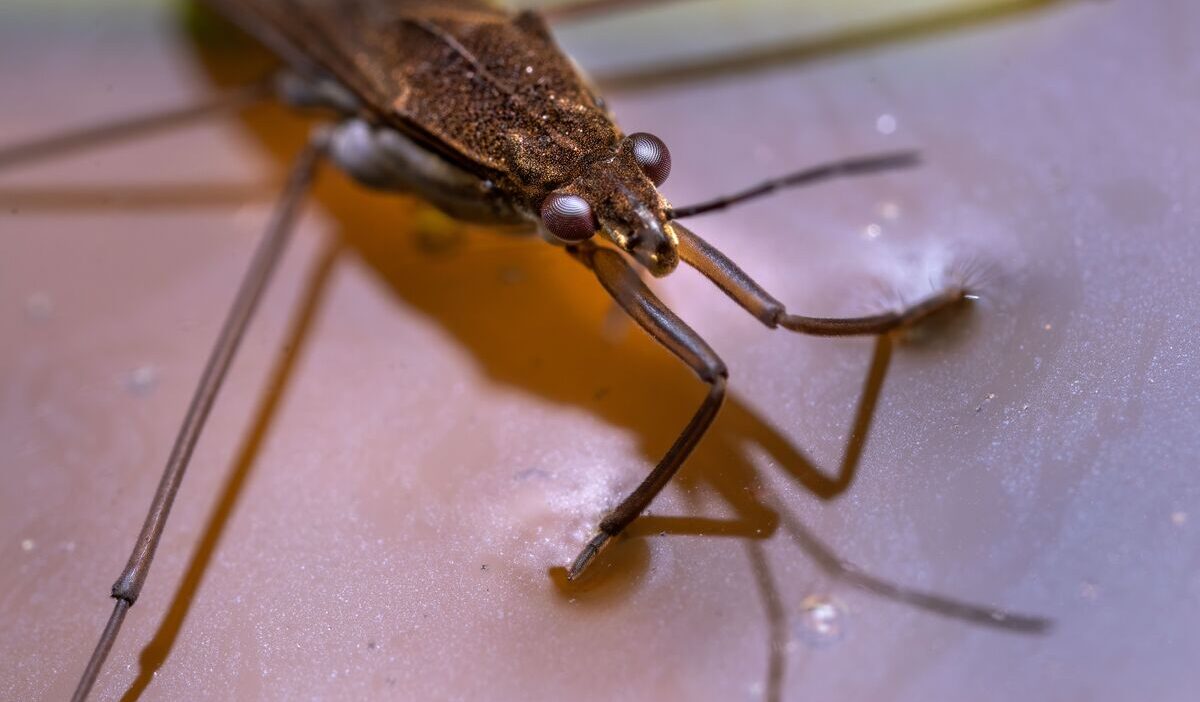
Oriental cockroaches are roughly an inch long, dark brown to nearly black, with a slightly greasy sheen that makes them easy to spot under a flashlight.
They move more slowly than other roach species and are far less likely to run when disturbed, which is part of why people mistake them for something unfamiliar rather than a common household pest.
They’re less likely to be found in kitchen cabinets and far more likely to show up in basements, crawl spaces, and around floor drains, since those spots offer the cool, humid environment they need to survive.
Other large roaches, like the American cockroach, sometimes get called water bugs too, particularly when they turn up after heavy rain pushes them out of storm sewers.
Either way, the label points to the same underlying issue: an insect that needs consistent moisture to stay alive indoors, which is exactly what shapes the rest of this guide.
>>> Read more: How to Get Rid of Stink Bugs in Your Home and Keep Them Out
2. How to Get Rid of Water Bugs Once They’re Already Inside?
For roaches already inside, the most effective elimination strategy skips broad sprays entirely and focuses on targeted removal in the exact spots they prefer.
- Vacuum visible roaches, along with egg cases and debris, using a crevice attachment near baseboards and drains.
- Apply gel bait in small dabs near known hiding spots rather than spraying open areas.
- Use sticky traps near drains, sinks, and utility rooms to monitor activity and confirm the species involved.
- Avoid foggers and aerosol bombs, since these tend to scatter roaches into new areas instead of eliminating them.
- Check less obvious spots like water heater closets and behind washing machines, where roaches often hide undisturbed for weeks.
Baits generally outperform sprays for this type of roach, since spraying alone rarely reaches the cracks and crevices where they spend most of the day.
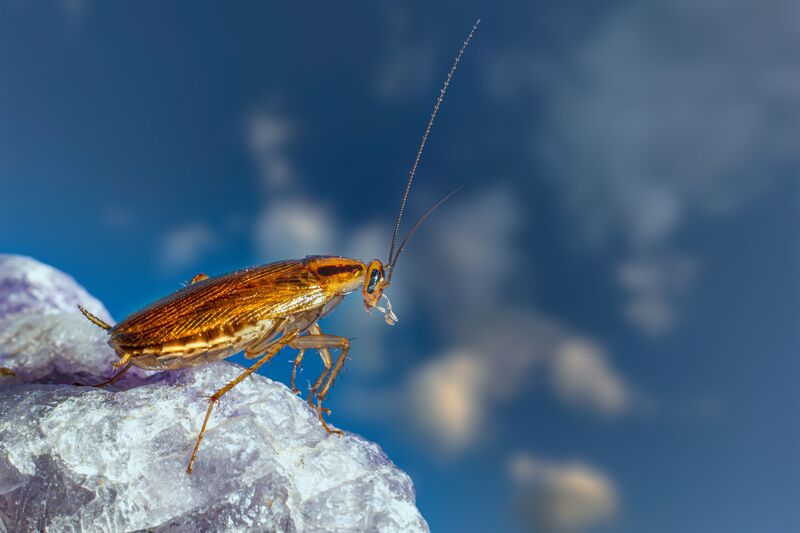
Identifying the species first also matters, because treatment that works well on German cockroaches in a kitchen isn’t always the right fit for Oriental cockroaches hiding in a damp basement.
3. How to Remove Indoor Standing Moisture Sources?
Removing the roaches themselves only solves half of how to get rid of water bugs. The other half means addressing the moisture that let them survive indoors in the first place, since these roaches can go weeks without food but only a matter of days without water.
- Fix dripping pipes, leaking fixtures, and any condensation building up around windows or appliances.
- Run a dehumidifier in basements and crawl spaces where humidity tends to stay high year-round.
- Clean floor drains regularly, since organic buildup inside them can hold moisture and attract roaches directly.
- Improve ventilation in bathrooms and laundry rooms to prevent damp air from lingering after use.
- Check outdoor grading and gutters, since water pooling against the foundation can push indoor humidity up from below.
>>> Read more: How to Get Rid of Squash Bugs Before They Damage Your Plants
4. How to Seal Structural Gaps Between Rooms?
Even after moisture is under control, gaps around pipes, baseboards, and utility openings give roaches a way to travel between rooms or into a home from outside. Closing these routes is what keeps a treated area from being reinfested from somewhere else in the building.
- Seal cracks around plumbing, wall outlets, and switch plates with silicone caulk or expanding foam.
- Install door sweeps on exterior doors and any doors leading into basements or crawl spaces.
- Check where pipes and wires pass through walls, since these openings are common, overlooked entry points.
- In multi-unit buildings, coordinate sealing with neighboring units, since roaches move freely between connected spaces.
- Add screens over floor drains and exterior vents, which are two of the easiest overlooked entry points into a basement.
5. Final Thoughts
Knowing how to get rid of water bugs for good rarely comes down to a single spray or trap. It depends on identifying the species correctly, removing what’s already inside, and then closing off both the moisture and the physical gaps that let the problem continue.
Skipping any one of those steps usually means the same dark, damp corner produces a new sighting within a few weeks, no matter how thorough the first round of treatment felt at the time.