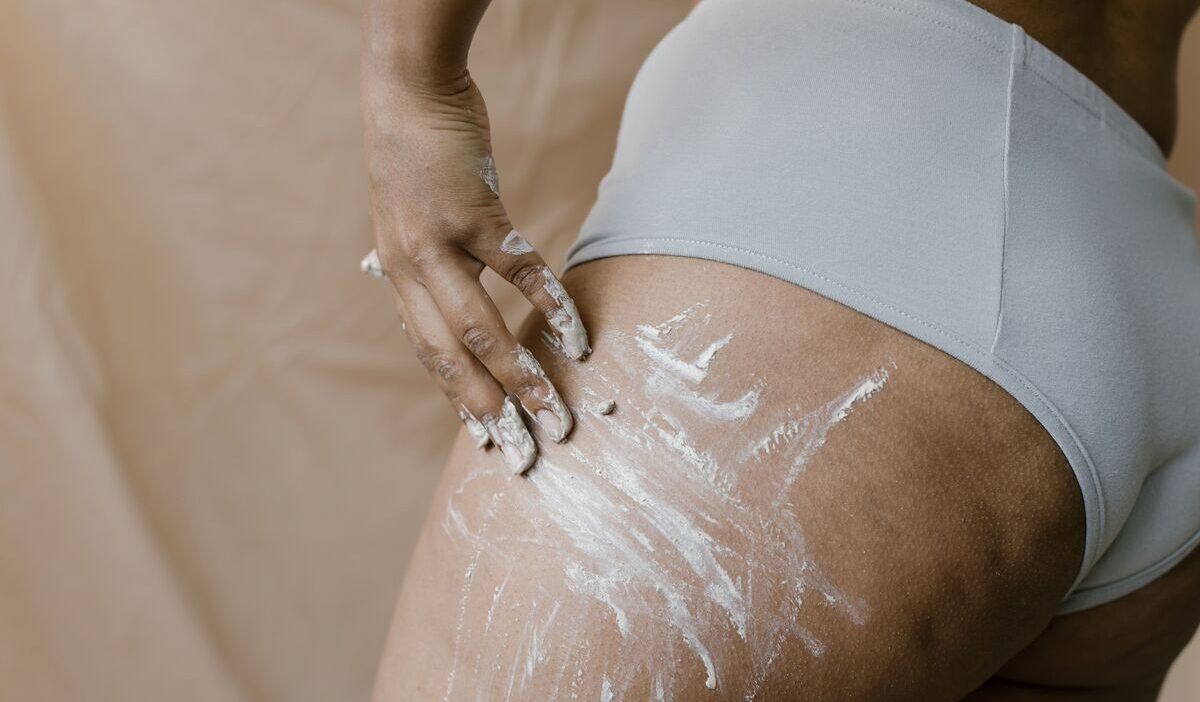
“Butt acne” is a convenient name for bumps on the buttocks, but many of these breakouts are not true acne. Folliculitis, keratosis pilaris, ingrown hairs, and friction-related irritation are often more likely causes.
The safest approach to how to get rid of butt acne is to first identify what the bumps actually are. From there, gentle cleansing, benzoyl peroxide or salicylic acid, changes in clothing and workout habits, and careful hair removal may help.
1. Is It Actually Butt Acne?
Before choosing a treatment, look at the texture, location, and triggers. Three conditions can look similar but may need different care.
Folliculitis
Folliculitis is inflammation or infection of a hair follicle and is one of the most common causes of acne-like bumps on the buttocks. It can appear as individual red or pus-filled bumps or as a more widespread rash.
Friction, tight clothing, sweating, shaving, waxing, and rubbing can damage follicles and make folliculitis more likely. Hot, damp skin is particularly vulnerable.
If shaving triggered the problem, stopping shaving, plucking, or waxing for about 30 days may allow the follicles to recover.
Keratosis Pilaris
Keratosis pilaris causes small, rough bumps created by plugs of dead skin cells. It commonly affects the thighs and may extend toward the buttocks, making the skin feel like goosebumps rather than inflamed pimples.
Products containing salicylic acid, lactic acid, glycolic acid, urea, or a retinoid may gradually smooth the texture.
Improvement usually takes time; if a consistent treatment plan produces no noticeable change after 4–6 weeks, professional evaluation may be useful.
Acne
True acne can occur on the buttocks, but it is less common than folliculitis or keratosis pilaris.
Acne is more likely when pores become clogged with oil and dead skin cells and develop blackheads, whiteheads, or inflammatory pimples.
This distinction matters because how to get rid of butt acne should not automatically mean treating every bump with aggressive acne products.
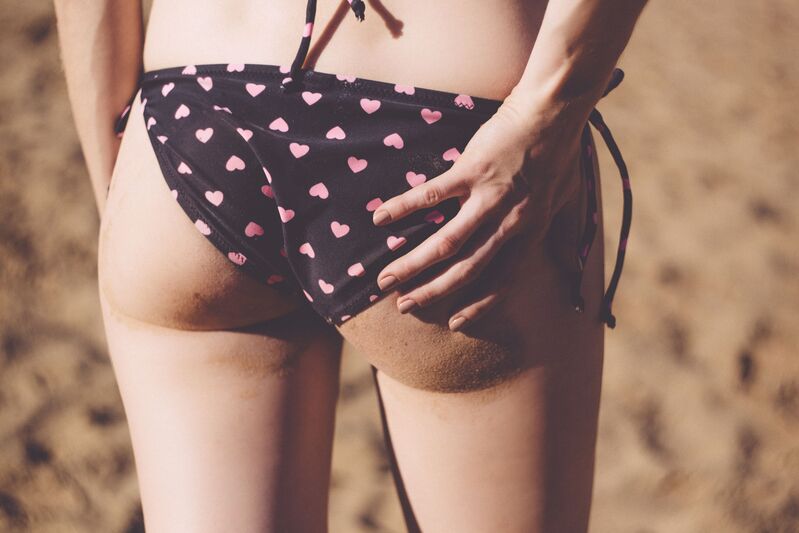
2. How to Get Rid of Butt Acne
Start with a simple routine rather than layering several active ingredients at once.
A benzoyl peroxide or salicylic acid body wash can be useful when the bumps resemble folliculitis or acne. Benzoyl peroxide helps reduce acne-associated bacteria, while salicylic acid helps unclog pores.
Use the wash gently rather than scrubbing. Leave-on products should be introduced gradually because irritation can make redness and discoloration more noticeable. For how to get rid of butt acne safely:
- Wash the area once daily and after heavy sweating.
- Try a benzoyl peroxide or salicylic acid wash.
- Use a non-comedogenic moisturizer if the skin becomes dry.
- Avoid picking or squeezing bumps.
- Pause shaving if hair removal appears to trigger the problem.
- Wear looser, breathable clothing while the skin heals.
- Give the routine several weeks before judging the result.
>>> Read more: How Long Do Lash Extensions Last? Beauty Tips That You Need
3. Change the Habits That Keep Triggering Butt Acne
Products matter, but repeated friction, heat, sweat, and hair removal can keep restarting the problem.
Long-term how to get rid of butt acne therefore includes changing the habits that repeatedly irritate follicles.
Sweat and Workout Clothes
Sweaty, tight workout clothing creates a warm, damp environment while repeatedly rubbing the skin.
Change out of leggings, cycling shorts, or compression garments soon after exercise and shower when possible.
Tight clothing rubbing against hot, moist skin is a recognized trigger for folliculitis. Wash exercise clothing before wearing it again.
Tight Clothing and Friction
Skin rubbing against tight jeans, shapewear, synthetic underwear, or athletic gear may inflame follicles.
Choose breathable fabrics and a fit that does not constantly rub the same area. If breakouts repeatedly appear exactly where seams or elastic sit, friction is worth addressing before adding another skincare product.
Sitting for Long Periods
Prolonged sitting does not directly “cause acne,” but it can increase pressure, heat, sweat, and friction over the buttocks.
Stand up periodically, especially if you sit in tight or non-breathable clothing. For someone working on how to get rid of butt acne, reducing prolonged occlusion can help remove one recurring source of irritation.
Shaving and Hair Removal
Shaving, plucking, and waxing can injure follicles and trigger folliculitis or ingrown hairs.
If bumps appear shortly after hair removal, pause the routine until the skin settles.
When you restart, use a clean razor, shave in the direction of hair growth, avoid repeated passes over one area, and do not shave over active bumps.
>>> Read more: How to Get Rid of Sebaceous Filaments on the Nose and Chin Safely
4. How to Deal With Dark Spots After Butt Acne
Flat brown, gray, red, or purple marks left after inflammation are often post-inflammatory hyperpigmentation rather than permanent scars. These spots usually fade, but the process can be slow.
The first priority is preventing new bumps. Repeated inflammation creates new marks faster than fading products can remove old ones.
Salicylic acid, azelaic acid, retinoids, and other pigment-targeting ingredients may help depending on the skin type and diagnosis. Avoid harsh scrubs and aggressive exfoliation because irritation can deepen discoloration.
If the buttocks are exposed to sunlight, broad-spectrum SPF 30 or higher can help prevent post-inflammatory dark spots from becoming more noticeable.
5. A Simple Routine for Butt Acne
To clear up breakouts and prevent future irritation, follow this streamlined daily routine tailored specifically for butt acne:
| Time | Simple Routine |
| Shower | Wash gently with a benzoyl peroxide or salicylic acid cleanser |
| After shower | Apply a lightweight, non-comedogenic moisturizer if needed |
| After exercise | Change sweaty clothes and rinse the skin |
| Hair removal days | Avoid shaving over inflamed bumps |
| 2–3 times weekly if needed | Introduce a gentle exfoliating product rather than a scrub |
| Daily | Avoid picking and reduce tight clothing/friction |
6. How Long Does Butt Acne Take to Clear?
The timeline depends on what is causing the bumps.
Mild folliculitis may settle once the trigger is removed. Warm compresses can be used for 15–20 minutes, 3–4 times per day to ease discomfort in uncomplicated folliculitis.
Keratosis pilaris generally requires ongoing maintenance and may need at least 4–6 weeks before treatment can be judged fairly.
True acne also takes time. Acne treatments generally need around 6–8 weeks before meaningful improvement can be assessed, and some routines may require roughly 16 weeks for substantial clearing.
7. Final Thoughts
The most important step in how to get rid of butt acne is recognizing that the bumps may actually be folliculitis or keratosis pilaris.
Start with gentle cleansing, a suitable benzoyl peroxide or salicylic acid wash, breathable clothing, prompt showering after exercise, and less friction. Pause shaving when it appears to trigger inflammation and avoid picking at the skin.