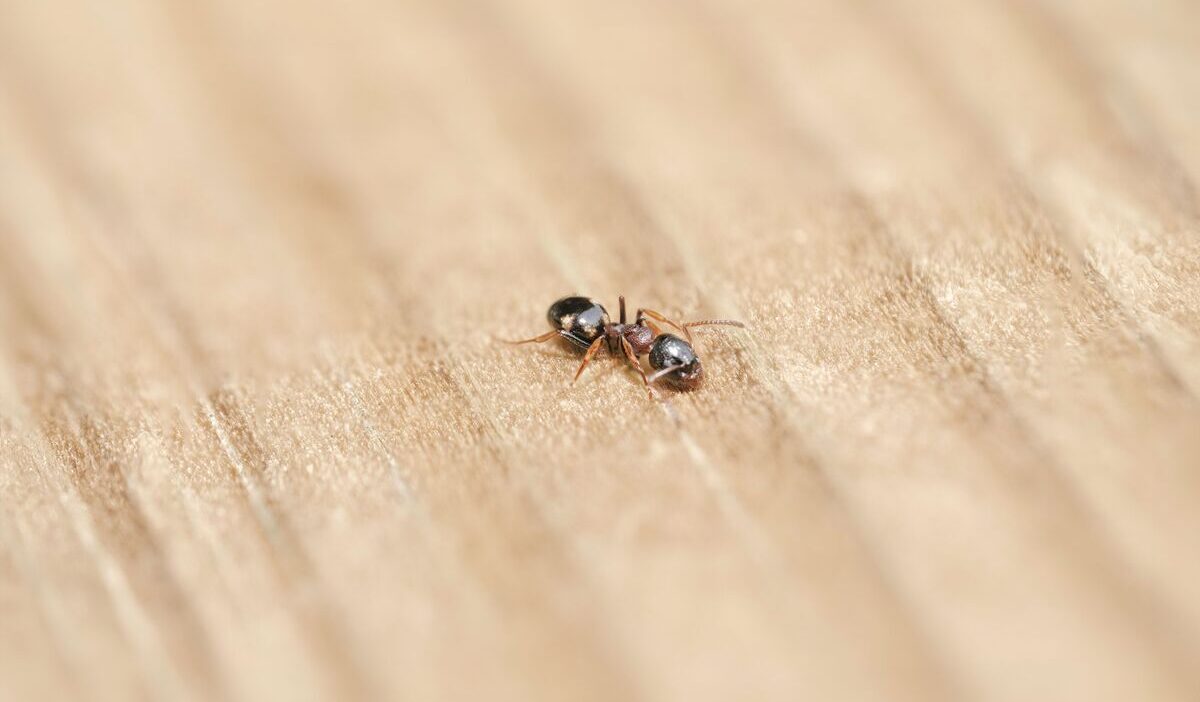
Ants in the kitchen usually show up for one of three reasons: food, water, or access. A few workers may seem harmless, but once they find a reliable source, they can create a trail that brings more ants into the same area.
The most effective approach to how to get rid of ants in kitchen is to follow the trail, remove the reward, use bait where needed, and seal entry points only after activity has dropped. Spraying visible ants may give fast relief, but it often leaves the colony untouched.
1. Follow the Ant Trail to Find the Source
Before wiping everything down, watch where the ants are coming from and where they are going.
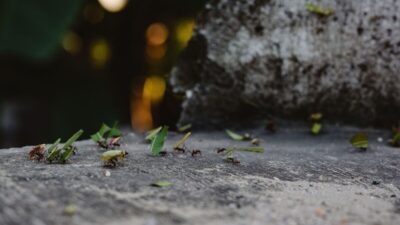
Ants use chemical trails to guide other workers between the nest and a food or water source, so the trail itself can help identify the problem area.
Start with the places that combine food, moisture, and small structural gaps.
Check Countertops and Cabinets
Look for syrup, sugar, crumbs, fruit residue, cooking oil, and open food packages. Ants can exploit very small amounts of food, especially along cabinet seams and shelf corners.
Inspect cereal boxes, baking ingredients, pet treats, and snack containers. If ants are entering one cabinet repeatedly, remove everything, clean the shelf, and transfer food into airtight containers.
Look Around the Sink and Dishwasher
Moisture around the sink can keep ants active even after food has been removed.
Check faucet bases, pipe connections, the dishwasher edge, sink cabinets, and damp sponges or cloths. A slow plumbing leak may provide a dependable water source.
Check Behind Appliances
Refrigerators, stoves, microwaves, and dishwashers can hide grease, crumbs, and warmth.
Pull appliances forward where practical and vacuum or wipe underneath. Pay attention to wall gaps, electrical openings, and plumbing penetrations nearby.
Inspect Windows, Doors, and Wall Gaps
Ants often enter through cracks around windows, door frames, baseboards, utility lines, and wall joints.
Do not seal every opening immediately if ants are actively using bait. Blocking the route too early may cause them to create another trail before the colony is controlled.
2. How to Get Rid of Ants in Kitchen
A practical how to get rid of ants in kitchen plan should combine sanitation, baiting, moisture control, and delayed sealing. Start with these steps:
- Wipe up sweet and greasy residue.
- Store food in sealed containers.
- Take out trash and clean the bin.
- Fix leaks and dry the sink area.
- Follow the active trail.
- Place a slow-acting ant bait near the route.
- Avoid spraying around the bait.
- Monitor activity for several days.
- Seal entry points after the trail declines.
Slow-acting bait is useful because workers can carry it back to the colony and share it with nestmates. This is why baiting is usually more effective than killing only the workers you can see.
Ant preferences can change. A colony may respond better to sweet bait at one time and protein- or grease-based bait at another. If one product is ignored, try a different labeled formulation rather than adding more of the same.
For how to get rid of ants in kitchen effectively, do not place bait directly on food-preparation surfaces. Use enclosed stations or small placements in protected areas according to the label.
>>> Read more: How to Get Rid of Aphids on Plants and Keep Them From Coming Back
3. What to Do Based on Where the Ants Appear
The exact location of the trail often reveals what is attracting them. Tailoring the response makes how to get rid of ants in kitchen faster and more precise.
Ants Around the Sink
Focus on water first. Dry the sink at night, repair leaks, replace wet sponges, and inspect the cabinet underneath. Place bait beside the trail rather than washing the entire route away immediately.
Once bait activity has dropped, clean the old trail with soapy water and seal visible gaps around pipes.
Ants Inside Cabinets or Pantry
Remove open food and inspect every package. Sugar, cereal, flour, honey, pet treats, and snack residue are common attractants. Wipe shelves thoroughly and transfer vulnerable foods into hard containers with tight lids.
If ants are entering through the back of the cabinet, place bait near the route, not inside open food storage.
Ants Around the Trash Can
Trash areas often combine food residue and moisture. Wash the lid, rim, handles, base, and floor beneath the can. Use liners that do not leak and remove garbage before it sits for several days.
A trash can with sticky residue can continue attracting ants even after the bag is replaced. Keeping waste covered and cleaning spills quickly are core pest-prevention steps.
4. Seal the Kitchen After Ant Activity Drops
Sealing is most useful after baiting has reduced the colony.
Once the trail is no longer active, caulk cracks around baseboards, cabinets, windows, plumbing openings, and utility penetrations. Repair damaged weather stripping and door sweeps.
EPA integrated pest management guidance prioritizes exclusion, sanitation, and removal of food and water before relying on routine pesticide use.
Continue monitoring for at least a week after activity declines. If ants return through a different route, the colony may still be active or a second nest may be involved.
>>> Read more: How to Get Rid of Earwigs: What Attracts Them and How to Stop
5. When Kitchen Ants Need Professional Treatment
Professional help may be useful when ants keep returning despite correct baiting and sanitation, appear from multiple walls, or are difficult to identify.
You should also consider professional treatment when:
- Ants are active year-round indoors
- Several rooms have separate trails
- Bait is repeatedly ignored
- Ants are emerging from electrical outlets or deep wall voids
- Large winged ants appear indoors
- Carpenter ants are suspected
- Moisture damage or structural wood is involved
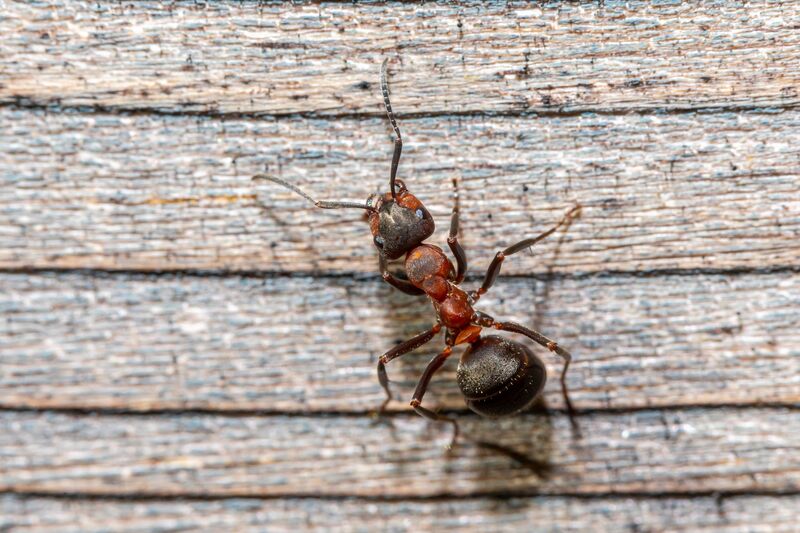
Carpenter ants deserve special attention because they excavate galleries in wood rather than simply foraging in the kitchen.
Repeated large ants, coarse sawdust-like debris, or nighttime activity near damp wood can point to a hidden nest.
A pest professional can identify the species, locate the nest, and choose a bait or treatment that matches the colony.
6. Final Thoughts
The safest and most reliable answer to how to get rid of ants in kitchen is to treat the source rather than just the visible trail.
If ants continue returning after one to two weeks of consistent baiting and sanitation, reconsider the species or arrange a professional inspection.
Long-term control depends on removing the food, water, and access that made the kitchen attractive in the first place.