A few bronze eggs beneath a squash leaf may not look threatening, but they can be the beginning of a much larger problem.
How to get rid of squash bugs? The key is recognizing the infestation before large numbers of adults are established. Eggs and young nymphs are easier to remove or treat, giving you a much better chance of protecting the plant before serious wilting begins.
1. How to Spot Squash Bugs Before the Infestation Spreads?
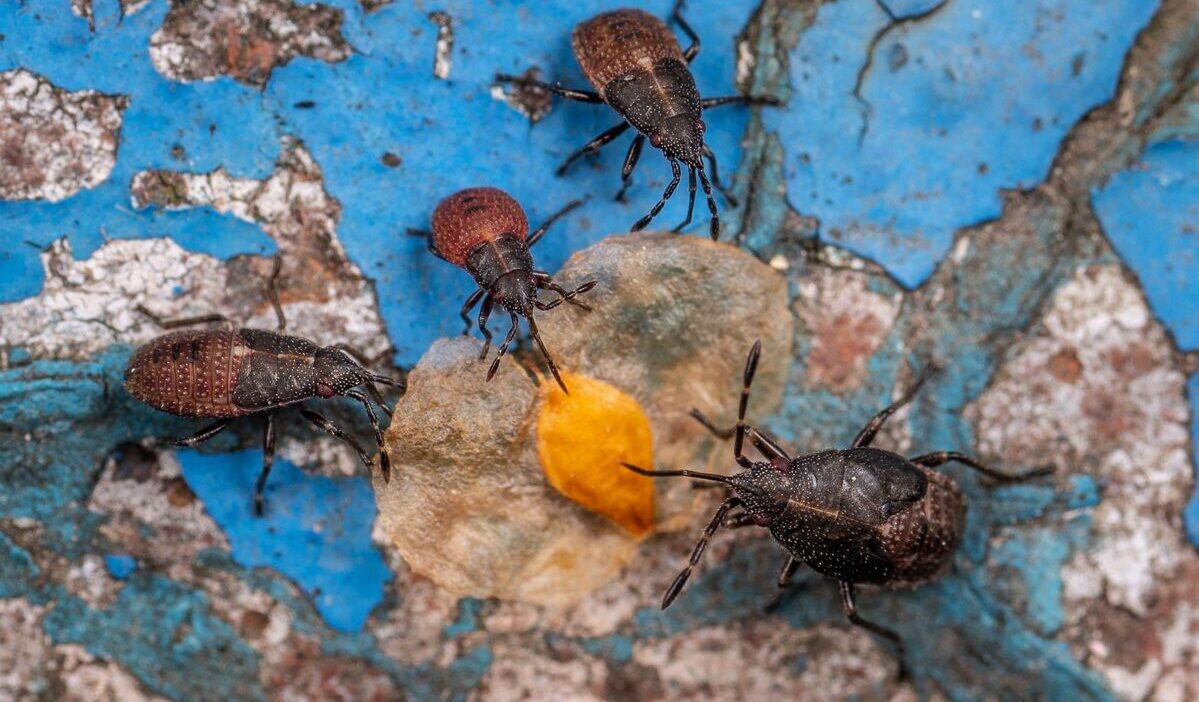
Adult squash bugs are flattened, grayish-brown insects measuring about 5/8 inch long. Their abdomens have distinctive orange or brown striping along the edges.
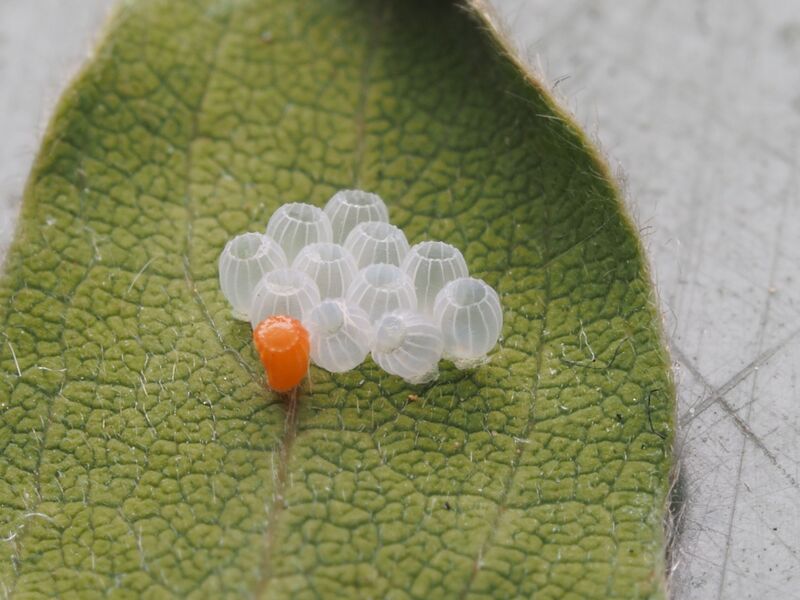
Eggs are much smaller, about 1/16 inch long, and usually appear as bronze-colored clusters on the undersides of leaves.
Egg masses commonly contain around 15–40 eggs, while one frequently used treatment threshold is approximately one egg mass per plant.
Eggs can hatch within roughly 5–10 days, and nymphs may require another 4–6 weeks to mature.
2. How to Get Rid of Squash Bugs?
Begin with mechanical removal whenever the infestation is small enough to handle manually. Chemical treatment should focus on young nymphs rather than mature adults because adults are considerably harder to control.
A simple sequence is to remove eggs first, eliminate visible bugs, and then continue inspecting the plants until new nymphs stop appearing.
Remove Eggs and Bugs by Hand
Turn leaves over and inspect the veins carefully. Squash bug eggs are often laid in tight groups where two veins meet.
You can scrape or peel the eggs from the leaf, cut away a small affected section, or crush them directly. Adults and nymphs can be dropped into a container of soapy water.
For home gardens, repeat this inspection every 2–3 days while adults are laying eggs.
Treat Young Nymphs Early
If manual removal is no longer enough, concentrate treatment on newly hatched nymphs.
Insecticidal soaps, horticultural oils, and some neem-based products may suppress very young stages when the spray directly contacts them. Larger nymphs and adults are much harder to kill.
Coverage matters. Spray the undersides of leaves, stems, vines, and the inner canopy where nymphs hide.
Repeat Checks and Treatment
Do not stop after one treatment. Squash bug life stages overlap, which means eggs, small nymphs, older nymphs, and adults can all be present at the same time.
Continue inspecting leaves every few days. Remove new egg masses before they hatch and treat newly emerged nymphs while they remain vulnerable.
A wooden board, shingle, or heavy piece of cardboard placed beside the plants can also help with monitoring.
Squash bugs shelter beneath these objects overnight, allowing you to lift the board and collect them the following morning.
3. How to Make Your Garden Less Favorable to Squash Bugs?
Squash bugs survive winter as adults in protected places such as plant debris, wood, rocks, and other sheltered material.
Reducing those hiding places can lower the number that returns the following season. After harvest, you should:
- Remove dead squash and pumpkin vines.
- Clear fallen leaves and heavy debris.
- Dispose of badly infested crop residue.
- Reduce unnecessary boards, wood, or clutter beside the garden.
- Rotate cucurbits to another part of the garden when space allows.
Heavy mulch can provide additional shelter when squash bug populations are already high. If repeated infestations occur, reducing thick mulch close to affected plants may make hiding places less available.
Some squash types are also more tolerant than others. Butternut and buttercup squash and sweet cheese pumpkins have shown greater tolerance to squash bug feeding than some more susceptible varieties.
>>> Read more: How to Get Rid of Stink Bugs in Your Home and Keep Them Out
4. What to Do When Squash Bug Damage Is Too Severe?
A badly wilted plant does not always recover simply because the bugs are removed. Look at how much healthy growth remains.
If only a few leaves or runners are affected, remove heavily damaged material where appropriate, keep the plant adequately watered, and continue controlling the insects.
If the crown is badly damaged, most vines are collapsing, or the plant has stopped producing useful growth, removing it may be more practical.
Leaving a severely infested cucurbit in place can give adult bugs more time to feed before they move into overwintering sites.
>>> Read more: How to Get Rid of Ladybugs in Your House: Indoor & Outdoor Control
5. FAQs
Squash bugs can wipe out healthy crops in a matter of days if left unchecked. If you’re looking for how to get rid of squash bugs safely and restore your garden, follow these proven removal and prevention tips.
What Attracts Squash Bugs to a Garden?
Squash bugs are attracted primarily to cucurbit plants, especially squash and pumpkins. Adults emerge from winter shelter in spring and move toward young host plants to feed, mate, and lay eggs.
What Time of Day Are Squash Bugs Most Active?
Squash bugs are active during the day and retreat to sheltered areas at night. Bugs that sheltered beneath them overnight can be collected before they disperse again.
Do Squash Bugs Live in the Soil?
They do not normally develop underground. Adults overwinter above ground beneath leaves, rocks, wood, crop residue, and similar sheltered locations.
Can Squash Plants Recover From Squash Bug Damage?
Yes, if the damage is not too severe. Larger, established cucurbits generally tolerate feeding better than young seedlings.
6. Final Thoughts
Squash bug control becomes much harder once the garden is full of large adults. The most productive time to intervene is while the problem still consists of small egg clusters and young nymphs hidden beneath the leaves.
So, how to get rid of squash bugs? Inspect cucurbits every few days, destroy eggs before they hatch, remove bugs by hand where practical, and reserve insecticidal treatments for young stages when they are most vulnerable.