A few tiny flies hovering around a houseplant can be easy to ignore at first. The problem is that fungus gnats spend most of their life cycle below the soil surface, so killing the adults you see does not necessarily stop the next generation from emerging.
The real challenge in how to get rid of gnats in plants is breaking that cycle at two points: trapping the adults and reducing the larvae developing in moist potting mix. Once both stages are addressed, the infestation becomes much easier to bring under control.
1. How to Tell If Gnats Are Coming From Houseplants?
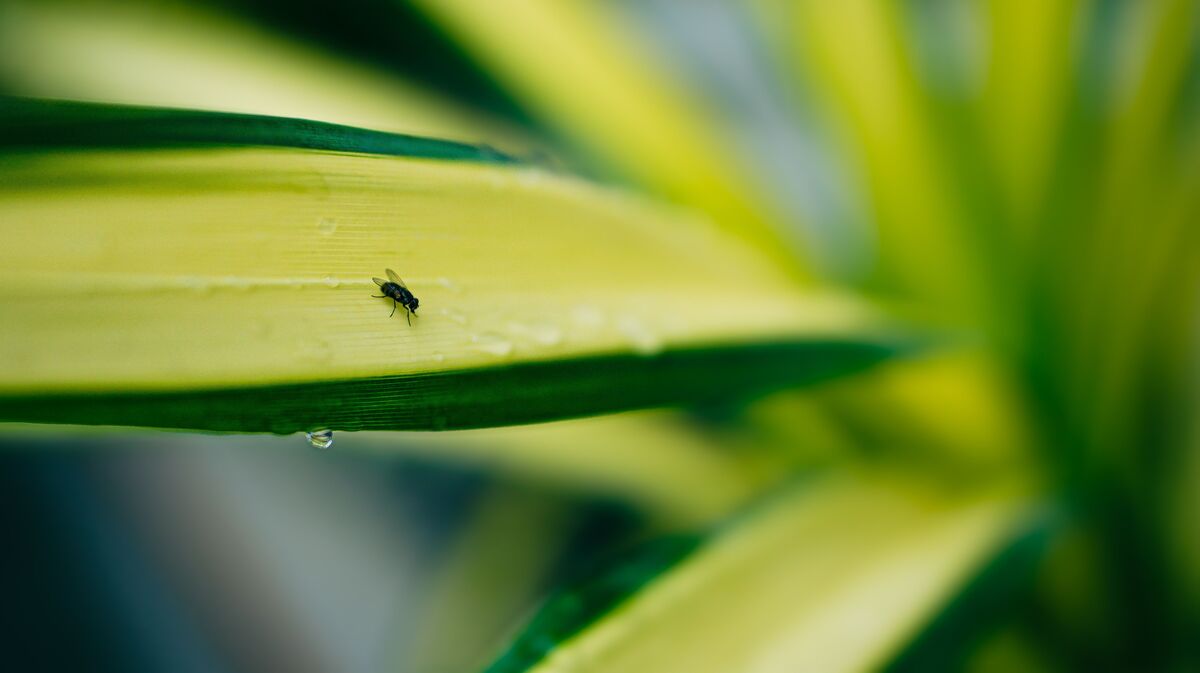
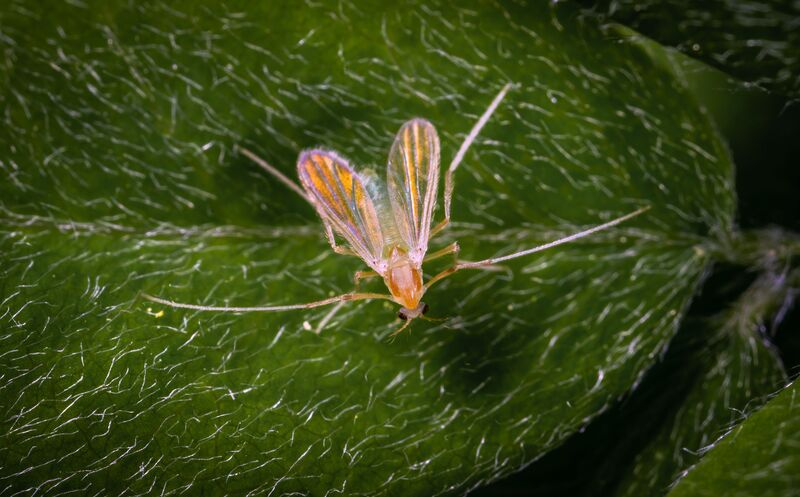
Fungus gnats are small, dark, mosquito-like flies that commonly stay close to potting soil. Adults are about 1/8 inch long and usually fly in short, erratic bursts around pots, plant leaves, or nearby windows.
Signs that the gnats are coming from your plants include:
- Adults repeatedly hovering over the soil
- Small flies appearing when you water or disturb the pot
- Gnats collecting on nearby windows
- Potting mix that stays damp for long periods
- Decaying leaves or organic material on the soil surface
The larvae live mostly in the upper 2–3 inches of growing medium and feed on fungi, algae, decaying material, and sometimes fine plant roots.
2. How to Get Rid of Gnats in Plants?
The most effective control combines adult trapping with treatment of the immature stages in the soil.
Adults are short-lived, but females may lay up to 200 eggs during a lifespan of roughly 7–10 days. At typical indoor temperatures of 65–75°F, the full egg-to-adult cycle can take only 3–4 weeks.
Trap the Adult Gnats
Yellow sticky traps are one of the easiest tools for reducing and monitoring adult fungus gnats. Place the traps:
- Just above the soil surface
- Along the edge of the pot
- Beneath the plant canopy
- Near plants with the heaviest activity
Adults are attracted to the yellow surface and become stuck before they can continue moving between plants.
Sticky cards are useful for reducing adult females, but they should not be used as the only treatment because they do not affect larvae in the soil.
Replace traps when they become covered with insects or lose their stickiness.
Target the Larvae in the Soil
Larval control is usually more important than killing adults because fungus gnats spend most of their life underground.
Start by allowing the top 1–2 inches of potting mix to dry between waterings, as long as the plant can tolerate it.
Drier surface soil reduces egg and larval survival and makes the pot less attractive to females looking for a place to lay eggs.
A crucial step in how to get rid of gnats in plants is targeting both the larvae in the soil and the flying adults at the same time.
3. Do Home Remedies for Plant Gnats Work?
Some home remedies help, while others mainly reduce visible adults without solving the infestation.
| Home Remedy | Does It Help? | Main Limitation |
|---|---|---|
| Letting soil dry | Yes | Must match the plant’s watering needs |
| Yellow sticky traps | Yes | Only targets adults |
| Potato slices | Useful for monitoring | Does not eliminate the entire population |
| Vinegar traps | Limited | Better for fruit flies than fungus gnats |
| Cinnamon on soil | Weak evidence | Not a reliable larval treatment |
| Hydrogen peroxide mixes | Inconsistent | Can damage roots if concentration is wrong |
| Sand or gravel top layer | Sometimes helpful | Does not treat larvae already deeper in soil |
4. How to Know When the Gnats Are Finally Gone?
One or two quiet days are not enough to confirm that the infestation has ended.
At about 75°F, fungus gnat eggs can hatch in roughly 3 days, larvae may develop for about 10 days, and adults can emerge approximately 4 days later.
One generation may therefore develop in as little as 17 days under favorable conditions. Continue monitoring for at least one full life cycle after adult activity drops.
>>> Read more: How to Get Rid of Gnats in the House Quickly Without Treating the Wrong Source
5. FAQs
Learning how to get rid of gnats in plants is essential if you want to protect delicate root systems and keep annoying swarms away from your home. Here are the most effective ways to clear them out safely.
Do Fungus Gnats Damage Houseplants?
Usually, the adults are just a nuisance. Larvae primarily feed on fungi and decaying organic matter, but they can also feed on fine roots and root hairs.
How Long Does a Fungus Gnat Infestation Last?
Without treatment, it can continue indefinitely indoors because generations overlap throughout the year.
At typical room temperatures, a complete life cycle takes roughly 3–4 weeks, while warmer conditions can reduce development to about 17 days.
Can Fungus Gnats Spread to Other Plants?
Yes. Adults are weak fliers, but they can move short distances between nearby pots and lay eggs in other moist growing media.
Why Do I Still Have Gnats After Changing the Soil?
Changing the soil may remove many larvae, but it does not guarantee that every stage of the infestation is gone.
Adults may already be flying elsewhere in the room, eggs or pupae may remain around roots, and newly repotted soil can become reinfested if watering conditions remain too wet.
>>> Read more: How to Get Rid of Gnats in the House Fast and Stop Them From Coming Back
6. Final Thoughts
Fungus gnats become much easier to manage once the soil, not the flying adults, is treated as the center of the infestation.
The most reliable approach to how to get rid of gnats in plants is not one dramatic treatment. It is breaking reproduction gradually until adults stop appearing and the soil is no longer supporting another generation.