Small red bumps on a newborn’s cheeks can be unsettling, and many parents want to fix them right away. The good news is that baby acne is common and harmless, and the safest care is simple.
This guide explains how to get rid of baby acne gently, which routine helps, and which popular remedies are better skipped.
1. How Do Parents Tell Baby Acne Apart From Eczema?
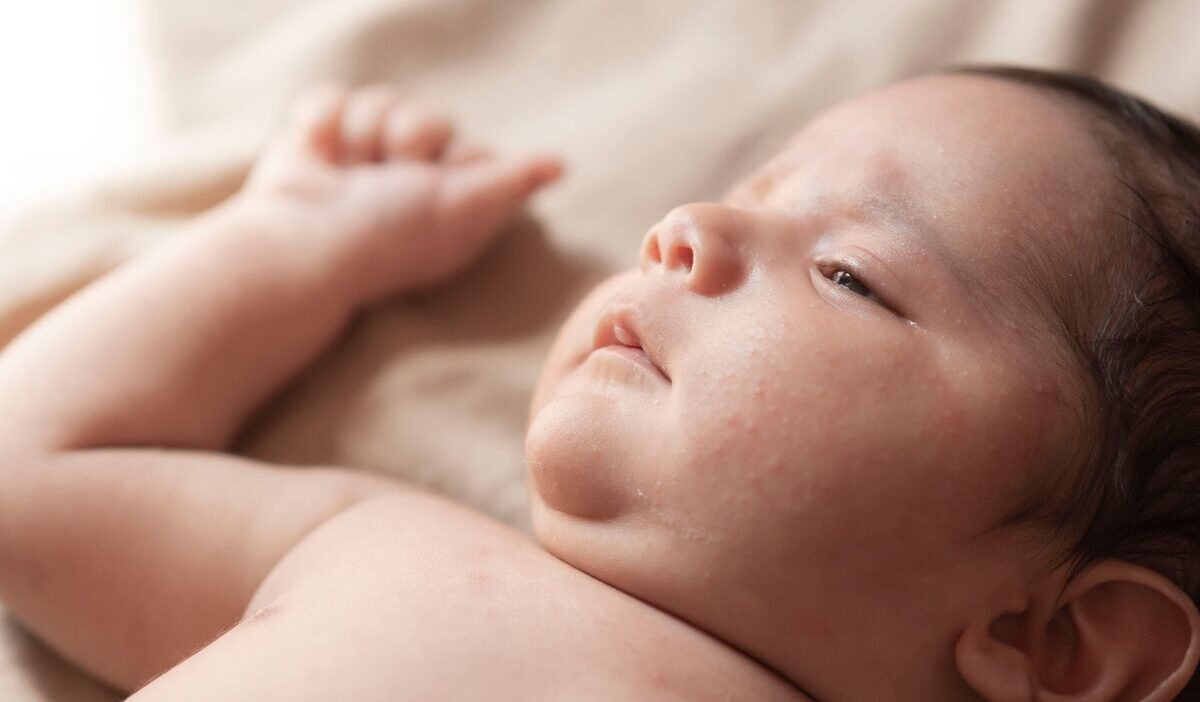
Baby acne appears as small red bumps and sometimes pus-filled spots, most often on the cheeks, nose, and forehead. It usually shows up around two weeks of age, and some babies are born with it.
About one in five newborns is affected, and unlike teen acne, it does not form blackheads. Other skin conditions can look similar, so a quick comparison helps:
- Baby acne: raised red bumps or pustules, mostly on the cheeks, nose, and forehead, often within the first weeks.
- Eczema: dry, red, itchy patches that flare and settle, often starting on the scalp and face, including the cheeks, forehead, and skin around the mouth.
- Milia: tiny, pimple-like spots on the face that disappear on their own within a few weeks.
Itching is a key clue for eczema, since it can even disturb a baby’s sleep. Timing matters too. Acne that begins after about six weeks is called infantile acne and is worth showing to a pediatrician or dermatologist.
2. How to Get Rid of Baby Acne Safely With Gentle Care and Patience?
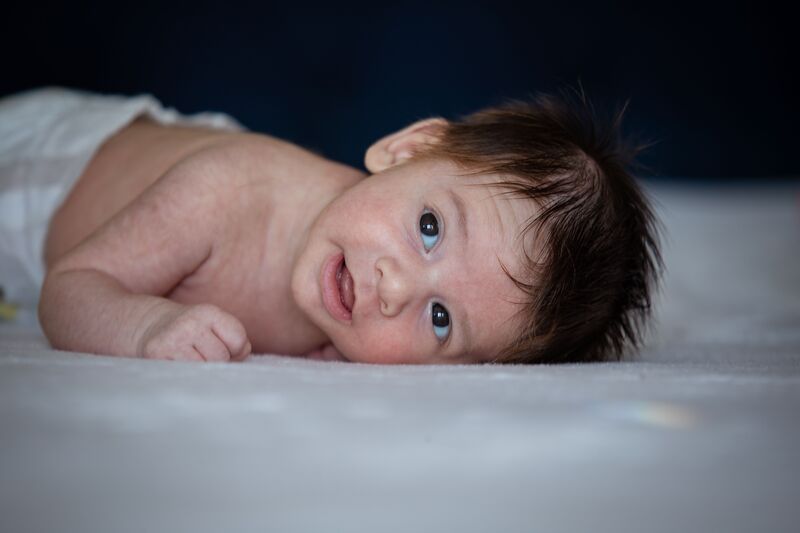
Most cases need no medicine. Baby acne usually clears by itself within a few weeks to months and rarely leaves scars, so the goal is to keep the skin clean and calm while it does.
The two parts below cover how to get rid of baby acne with a simple routine and an honest look at common remedies.
A Simple Daily Routine
Keep the routine short and the same every day:
- Wash the face once a day, or twice at most if drool or spit-up lands on it, using lukewarm water or a mild, fragrance-free cleanser.
- Do not scrub. Use gentle hands or a soft cloth.
- Pat the skin dry instead of rubbing it.
- Keep oily creams and lotions off the affected area.
Popular Remedies and What the Evidence Says
Many home ideas circulate among parents, but few have reliable support:
- Coconut oil and other oils: not shown to help, and greasy products can clog pores and make acne worse.
- Breast milk dabbed on the bumps: no reliable evidence that it works, so check with the pediatrician before trying it.
- Adult or teen acne products: not made for infant skin, so use them only if a doctor recommends them.
- Changing formula or the feeding parent’s diet: baby acne is not treated this way, and feeding should not change because of it unless a doctor advises.
>>> Read more: How Long Do Car Seats Last? Expiration Dates, Safety, and When to Replace Them
3. Why Do Popular Home Remedies Hurt Newborn Skin?
Newborn skin is delicate and still adjusting, so products that seem harmless can cause trouble.
Oils, ointments, and heavy lotions can clog pores and make baby acne worse, and some babies react to ingredients in ordinary skin products.
Home remedies in general can irritate fragile skin, which is why stronger products are rarely the answer.
Rough handling causes problems as well. Scrubbing, pinching, or picking at the bumps can irritate the skin and may lead to infection, and layering several products at once makes it harder to tell what is helping or hurting.
Parents looking for how to get rid of baby acne quickly are better served by patience than by extra products. Skip these:
- Scrubs, rough cloths, and exfoliating products
- Oils, ointments, and heavy lotions on the bumps
- Essential oils and strongly scented products
- Over-the-counter acne treatments, unless a doctor recommends them
4. Why Does Baby Acne Turn Redder During Crying Spells?
Crying sends extra blood to the face, so the bumps look redder and more noticeable for a while. This is normal and usually settles once the baby calms down.
In those moments, gently pat away tears or drool with a soft, clean cloth and avoid adding any product.
A temporary flush does not mean the acne is getting worse. Redness that stays, or other changes, deserves attention. Call the pediatrician if you notice:
- Acne that has not cleared after a few weeks, or that looks worse after a couple of weeks
- Blisters, peeling skin, fever, unusual fussiness, or feeding difficulties
- Yellow or honey-colored crusts, oozing skin, or pus bumps, which can point to infection or eczema
- Bumps that begin after about six weeks of age
>>> Read more: How to Get Rid of Butt Acne: Fast Remedies for Smooth, Clear Skin
5. FAQs
If you’re wondering how to get rid of baby acne safely, these quick answers address common questions about home care, timeline, and when to consult a pediatrician.
Can you kiss a baby who has acne?
Kisses on the cheeks do not cause baby acne, and acne is not something a baby catches from a kiss. Skip face kisses if you are sick or have a cold sore, and wash your hands before touching the baby’s face.
Why does baby acne look worse when the baby cries or feels warm?
Warm skin from bundling, a hot room, or sweat can make the face flush, which highlights the bumps. Drool, spit-up, and milk left on the cheeks can irritate the area too. Dress the baby lightly and keep the face clean and dry.
Does baby acne mean my baby will have acne as a teenager?
Baby acne is considered a separate, temporary condition from teen acne. Acne that starts after the first weeks, called infantile acne, can last longer, so ask the pediatrician if it persists.
6. Final Thoughts
Baby acne usually fades on its own, and the best care is gentle: lukewarm water, a soft touch, and no oils, scrubs, or acne products. That is the safest answer to how to get rid of baby acne, even when waiting feels hard.
Watch for signs that point to something else, and bring any concern to the pediatrician.