
German cockroaches rarely disappear after one spray or one weekend of cleaning. This guide lays out how to get rid of German cockroaches in four phases, so each step builds on the last until the traps stay empty.
1. Why German Cockroaches So Hard to Kill?
These insects live only around people, and they hide by day in cracks and crevices near food and water.
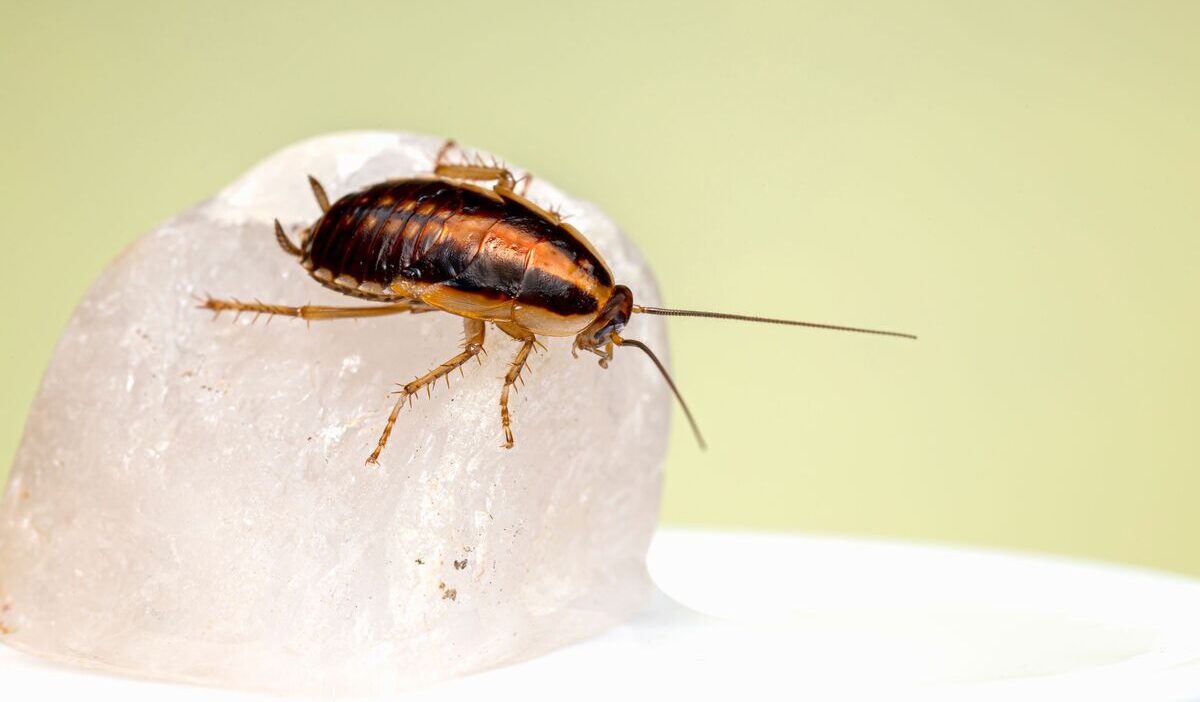
Adults are about half an inch long, with two dark stripes behind the head. Their flat bodies slip into narrow gaps that other roaches cannot use.
Their breeding speed adds to the problem, because a small group of survivors can rebuild a colony within a few months:
- One egg case holds roughly 30 to 40 nymphs.
- A female makes about eight cases in her lifetime.
- A generation takes about 100 days, and there can be three to six per year.
They also travel in boxes, grocery bags, and suitcases, which makes reinfestation easy. Anyone studying how to get rid of German cockroaches needs a plan that outlasts the full life cycle, not only the adults in view.
2. How to Get Rid of German Cockroaches Phase by Phase?
Each phase has one job: measure, remove their supplies, attack the colony, then verify. Work through them in order, because skipping the early phases usually makes the later ones fail.
Phase 1: Confirm the Species and Take a Baseline (Days 1 to 3)
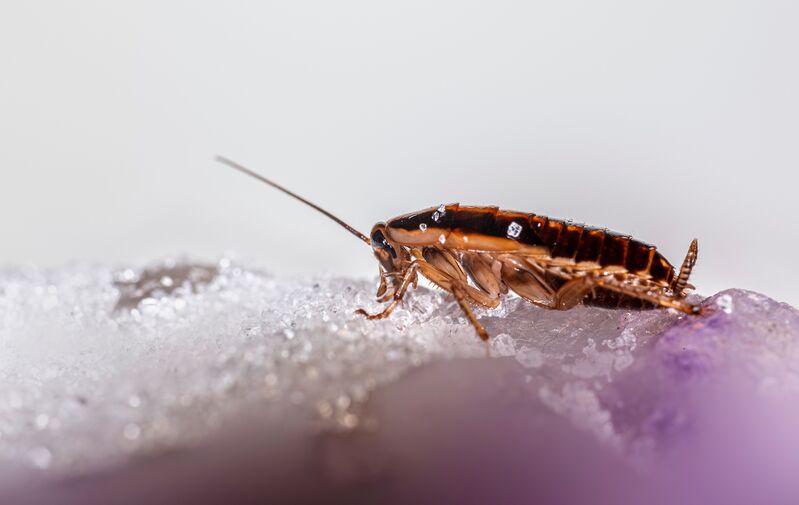
Check that the insects match the description: tan to light brown, winged adults with two dark stripes behind the head, and darker, wingless nymphs. Then place sticky traps along walls and in corners near the refrigerator, stove, and under sinks.
Using ten or more sites for about a week usually gives enough information. Number and date each trap, mark its location on a simple sketch, and count what it catches.
This baseline is what you will compare against later, so do not move traps without noting it.
Adults, nymphs, and egg cases together suggest an established infestation, while early nymphs suggest a hiding place within 5 to 10 feet of the trap.
Phase 2: Clean Out and Close Gaps (Week 1)
Wash surfaces with soapy water and follow with a clean-water rinse, since no-rinse cleaners can spread allergens.
Seal food in containers, wipe spills, empty food trash daily, and fix leaks. Remove cardboard and store long-term items in plastic bins.
Then caulk cracks around sinks, cabinets, and pipes entering walls to remove hiding places. Clean behind and under appliances too, since grease and crumbs build up there.
Treat drains with an enzyme cleaner when slime or odor is present. Skip insecticide sprays during this phase, because residue can ruin bait later.
Phase 3: Bait, Growth Regulator, and Targeted Dust (Weeks 1 to 2)
Put pea-sized dots of gel bait in cracks where traps caught the most roaches. Reapply every one to two weeks as the label directs, and keep the bait cool and clean.
Add an insect growth regulator (IGR) in nearby cracks, close to the bait but not on top of it, so nymphs cannot grow into breeding adults. IGRs can also make pregnant females drop egg cases early, which sends them back to feed on the bait.
A light dust of boric acid can reach dry voids, but apply it sparingly, keep it away from children and pets, and do not let it become airborne.
Phase 4: Recheck, Adjust, and Confirm Control (Weeks 3 to 8 and beyond)
Check traps after two weeks, then every two weeks, and compare each count with your baseline. If roaches ignore the bait, switch to a different active ingredient, rotating about monthly.
Control is confirmed only when traps show no adults, nymphs, or egg cases. Because a generation takes about 100 days, keep monitoring well past week eight before removing bait.
If counts do not fall, look for missed hiding places such as behind light fixtures or under appliances, and consider a professional.
3. What Cleaning Mistakes Feed Hidden Roaches?
Good intentions can backfire. These habits slow down how to get rid of German cockroaches more than most people expect:
- Spraying near bait. Repellent sprays and flushing agents make bait unattractive and push roaches deeper into the walls.
- Using foggers or baseboard sprays. They scatter roaches instead of reaching hiding places.
- Using no-rinse cleaners. They leave residue and can spread allergens.
- Leaving cardboard, leaks, and clogged drains. All three supply shelter and moisture.
- Mixing several baits at once. This can lead to weak doses and resistance.
- Stopping when sightings drop. Nymphs and egg cases can still be hidden.
- Storing boxes and groceries on the floor. New roaches can ride in with them.
>>> Read more: How to Get Rid of German Roaches Using Baiting and Growth Control
4. FAQs
Will German cockroaches go away on their own?
Unlikely. They depend on people for food and shelter, and they multiply fast, so ongoing treatment is needed until monitors show none.
Do they hide anywhere besides the kitchen and bathroom?
Yes. They use warm, dark spots behind refrigerators and stoves, inside light fixtures and electrical boxes, in hollow table and chair legs, closets, laundry rooms, and stored cardboard.
Is it normal to see roaches during the day?
Not usually. German cockroaches are mostly active at night, so daytime sightings often point to a large population, or to stress such as a lack of food and water.
>>> Read more: How to Get Rid of Water Bugs Hiding in the Damp Corners of Your Home
5. Final Thoughts
Patience and order matter more than strong products. Measure first, remove food and shelter, bait and add growth control, then keep counting. That is the reliable path for how to get rid of German cockroaches until traps stay empty.
If counts stay high after several weeks, a professional with a monitoring-based plan can help.