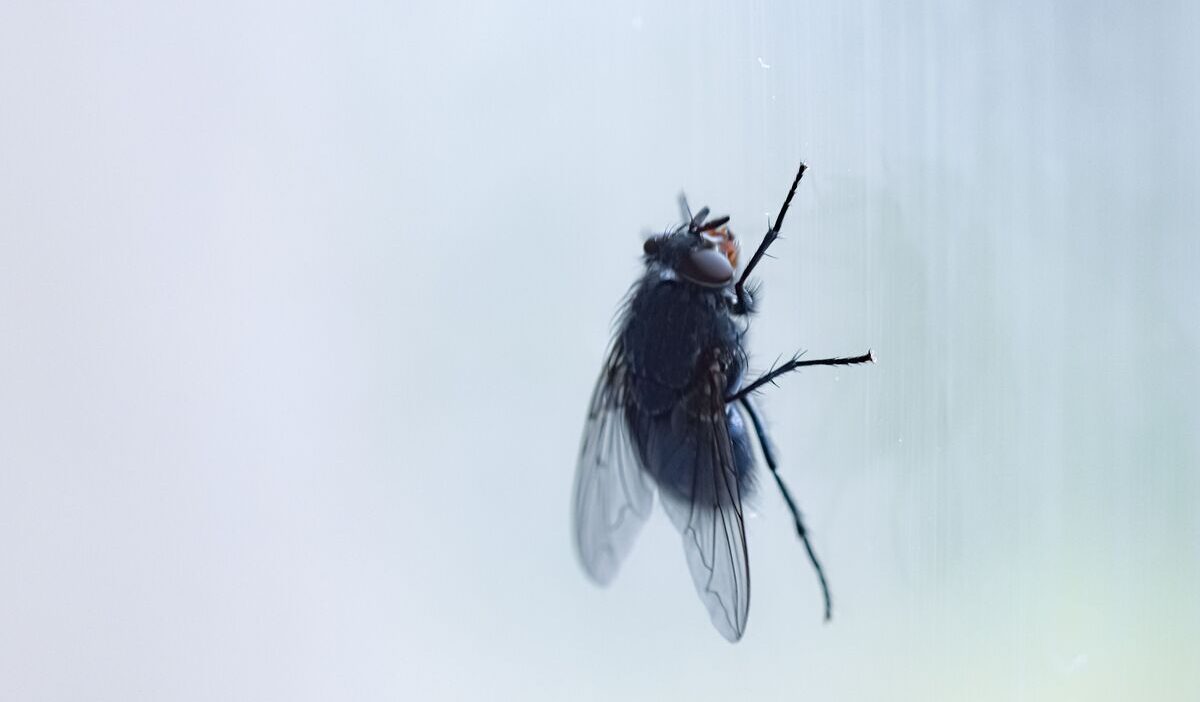
A few flies at the window can turn into a swarm within days. This guide explains how to get rid of flies in the house quickly, then shows how to cut off what keeps them coming.
1. Where Do Flies Come From Inside the House?
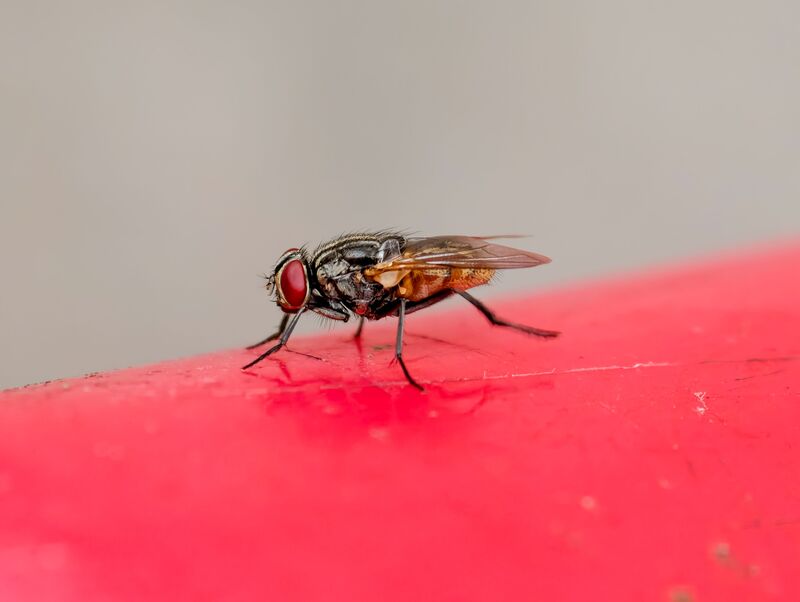
Flies reach a home through open doors and small gaps, but only a few kinds can breed indoors. They need moisture and decaying material, so the species you see usually points to the source:
- House flies and blow flies: garbage, pet waste, and dead animals. A swarm of blow flies often means a dead mouse or bird in an attic or chimney.
- Fruit flies: rotting fruit and vegetables in trash cans, garbage disposals, and drains.
- Drain flies and phorid flies: the slime layer in drains and wet, decaying matter. Very large numbers can mean a broken sewer pipe or a dead animal.
- Cluster flies: they do not breed indoors. They hide in wall voids and attics over winter.
Warmth speeds everything up. A house fly can complete its life cycle in about 7 days at 95°F, compared with about 45 days at 60°F.
2. How to Get Rid of Flies in the House Quickly?
Fast results come from two moves done together: remove the adults you can reach, then take away their food and breeding spots.
Remove the Flies You Can See
The first step is to reduce the numbers you can reach. A fly swatter works well when only a few house flies are around.
For sluggish flies on windows, a vacuum can pick them up without a mess. Then take out the trash and wipe up spills, crumbs, and pet food, since fresh food is what draws new flies in. Keep doors and screens closed so fewer arrive.
Trap or Spray the Ones You Cannot Reach
Traps catch flies that keep escaping the swatter:
- Sticky fly tape or baited traps work for house flies.
- A vinegar trap suits fruit flies. Fill a bowl with apple cider vinegar and add a few drops of dish soap, so flies that land on it sink. Replace the bait every few days.
- Light traps with glue boards can be mounted 4 to 6 feet above the floor, out of sight from outside.
Sprays are a weaker option. Pyrethrin aerosols only knock flies down for a short time and rarely solve an infestation, and extension guidance says spraying indoors is generally not recommended for house flies.
If you use one, follow the label exactly and treat it as a short-term helper after the breeding source is gone.
3. Why Do Flies Keep Coming Back After Cleaning?
Surface cleaning removes what you can see, not what is feeding the larvae. Anyone asking how to get rid of flies in the house quickly also needs to ask where the next batch is coming from.
When flies return, there is usually a source you have missed, and the two groups below are where to look first.
Everyday Sources in the Kitchen, Trash, and Drains
Moisture and organic debris drive most indoor fly breeding. Check these spots:
- Under trash can liners and around the can base
- Sink, tub, and shower drains, plus garbage disposals
- Under and behind the refrigerator and other kitchen equipment
- Dirty mop heads, pet cages, and potted plant soil
- Cracked tiles where films can build up
To test a drain, cover it with clear packing tape overnight. Flies stuck to the tape suggest the drain is a source.
Scrub the slime with a stiff brush, because pouring harsh cleaners down the drain does not remove it. A biological drain cleaner can help afterward.
Hidden Sources Behind Walls and in the Attic
If the kitchen is clean and flies still appear, look farther away. A dead mouse or bird in a wall, attic, or chimney can produce blow flies in large numbers.
Cluster flies behave differently. They gather in wall voids and attics, then show up on warm, sunny days in late fall and early spring.
Window screens do not stop them, because they enter through small openings around pulley holes and baseboards. Sealing gaps helps, but it can take long-term effort.
>>> Read more: How to Get Rid of Flies Outside Around Your Yard, Patio, and Garden
4. What Plant Oils Keep Flies Away From Doors?
Eucalyptus, fennel, and sage essential oils have shown repellent and killing effects on house flies in a recent laboratory study.
That sounds promising, but the authors say field testing is still needed, and the study reported inconsistent repellency figures for eucalyptus. Some oil components can also irritate skin or airways at high concentrations.
In practice, a plant oil near a door may add a little protection, but it will not replace screens, door sweeps, and a closed door.
5. Home Remedies and Repellents: Which Ones Are Worth Trying?
Not every popular fix deserves the same effort. Here is how the common options compare for how to get rid of flies in the house quickly:
- Worth doing: vinegar traps for fruit flies, sticky tape, swatting, and sealing gaps with screens, caulk, and door sweeps.
- Worth a small try: plant oils, as a mild extra layer only.
- Limited use: insecticide sprays, since new flies keep emerging while the source remains.
- Not helpful: harsh drain cleaners, which do not remove the slime layer where drain flies breed.
>>> Read more: How to Get Rid of Flies in House by Finding What Brings Them Inside
6. FAQs
Discover safe and simple answers below on how to get rid of flies in the house quickly without using harsh chemicals or sprays around your family and pets.
How long does it take for flies to disappear after cleaning?
Expect a few days to a couple of weeks. Flies that were already developing can still emerge after you clean, and adults can live up to three weeks. Warm weather speeds the cycle. If flies are still around after about two weeks, keep hunting for a hidden source.
Is it safe to eat food that a fly has landed on?
A single fly landing on food poses minimal risk, but the risk rises when many flies are present. Flies do carry germs, so cover food and discard anything that sat out among many flies.
Why do flies appear in a house that looks clean?
Breeding spots are often out of sight, such as drains, spots under the refrigerator, trash can bases, or a dead animal in the wall. Cluster flies can also enter through tiny gaps no matter how clean the home is.
7. Final Thoughts
Quick relief comes from swatting and trapping the adults, but lasting control comes from finding and removing the source. That is the practical answer to how to get rid of flies in the house quickly, and it works best when drains, trash, and entry gaps are handled at the same time.
If flies keep returning after a few weeks, a pest professional can look for hidden sources.