It usually happens at checkout. You scan everything, swipe your card, and something gets declined. That moment is where confusion begins.
Many SNAP users assume that if an item is sold in a grocery store, it should qualify. But the rules are more specific than that. Certain items are always restricted, while others depend on details that are easy to overlook.
That’s why the question what can you not buy with EBT keeps coming up in everyday situations. The gap isn’t just about rules, it’s about how those rules show up in real shopping experiences.
Getting clear on what’s not allowed can help you avoid mistakes and make your benefits go further.
What Can You No Longer Buy With Food Stamps?
There’s a common belief that SNAP rules have recently removed certain items. In reality, the core restrictions have stayed mostly consistent.
When people wonder, what can you no longer buy with food stamps?, they’re often reacting to confusion at the store, not major policy changes.
The program has always focused on food meant for home preparation. Items outside that scope have consistently been excluded.
The misunderstanding usually comes from edge cases, items that look similar but are treated differently depending on how they’re sold.
What Can You NOT Buy With EBT? (Quick List)
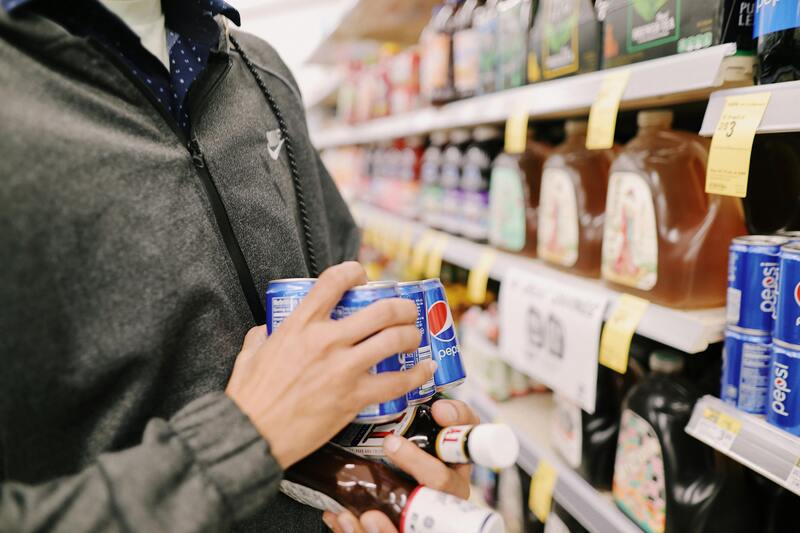
Here are the main categories that are not covered:
- Hot prepared food ready to eat
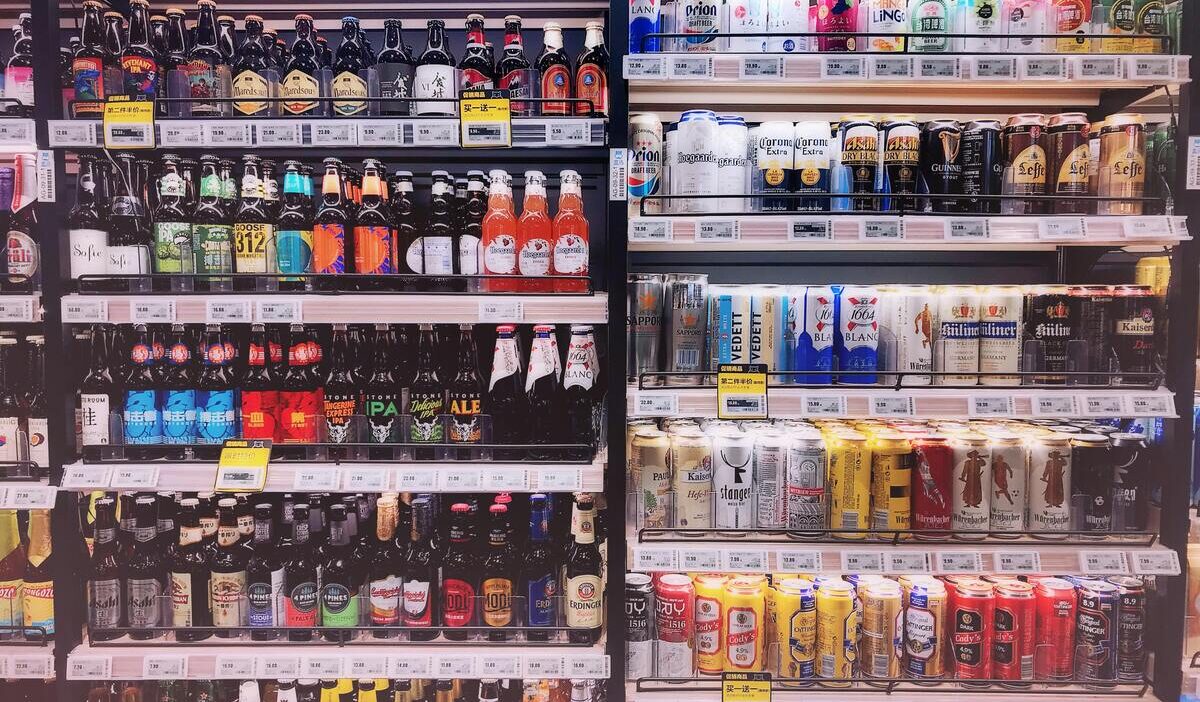
- Alcoholic beverages
- Tobacco products
- Vitamins, supplements, and medicines
- Household supplies like cleaning products and paper goods
- Pet food
- Personal care items such as shampoo or soap
These restrictions apply nationwide.
A helpful way to think about it: if the item is not food intended for home use, it likely falls outside SNAP guidelines.
Knowing this list reduces uncertainty around what can you not buy with EBT and helps prevent surprises at checkout.
What 5 States Ban Soda on SNAP? (The Truth)
You may have seen claims about soda being banned in certain states. The question what 5 states ban soda on SNAP? comes up often, but it doesn’t reflect current policy.
At the federal level, soda is still considered an eligible food item.
Here’s what’s actually happening:
- SNAP rules are set federally, not individually by states
- Sugary drinks remain eligible under current guidelines
- Some states have proposed restrictions, but these have not been widely approved
This creates confusion because proposals are often mistaken for active rules.
In practice, soda is not part of the list of what can you not buy with EBT, even though it continues to be debated.
>>> Read more: What food can you buy with EBT? A 2026 Complete Guide to SNAP-Eligible Items
Why These Restrictions Exist in the First Place?
The structure of SNAP explains why certain items are excluded.
The program is designed to support access to food, not to function as general cash assistance. That’s why the focus stays on groceries rather than services or prepared meals.
For example:
- Hot food is treated as a service rather than a grocery item
- Non-food goods fall outside the program’s purpose
- Supplements are classified differently from standard food products
These distinctions may not always feel intuitive, but they create consistency across all states.
Seeing the logic behind the rules makes it easier to navigate what can you not buy with EBT without second-guessing every purchase.
Common Mistakes That Get Your EBT Payment Declined
Even small details can lead to a declined transaction.
Some of the most frequent issues include:
- Picking a hot version of an otherwise eligible item
- Confusing supplements with regular food products
- Adding non-eligible items to the same purchase
- Assuming everything in a grocery store qualifies
- Not checking labels carefully
A simple example:
- A cold sandwich from the deli section may be approved
- The same sandwich heated at the counter may not be
Labels also play a big role:
- “Nutrition Facts” usually indicates eligibility
- “Supplement Facts” usually means it will not qualify
These small differences explain many checkout problems tied to what can you not buy with EBT.
Through SNAP And Another Program, You Can Stay Updated and Connected
Knowing the rules is one thing. Applying them in real situations is where most people struggle.
Imagine standing in line, unsure whether an item will go through. Or realizing too late that something in your cart isn’t eligible. These are small moments, but they happen often—and they add up.
Access to quick information can change that experience completely.
Instead of guessing, many users rely on simple actions in the moment:
- Checking a product before adding it to the cart
- Looking up whether a store accepts EBT
- Reviewing their balance before checkout
- Double-checking items that are easy to confuse, like drinks or deli foods
Without a working device or stable connection, those decisions become slower and less certain.
That’s where programs beyond SNAP may help. One example is the Lifeline program, a federal assistance program that helps eligible households stay connected to phone and internet services.
Eligibility for Lifeline is not limited to SNAP. You may also qualify
- If your household income meets certain guidelines, typically at or below 135 percent of the Federal Poverty Guidelines,
- Or if you participate in programs such as SSI, Medicaid, Federal Public Housing Assistance, or certain Tribal assistance programs.
If you qualify, Lifeline provides a monthly discount on phone or internet service. This benefit is not provided directly by the government as a device or plan. Instead, participating providers such as AirTalk Wireless apply the Lifeline subsidy to their service offerings.
Through these providers, eligible users may receive discounted or zero-dollar monthly service plans and, in some cases, a smartphone depending on availability and current promotions.
The goal is not a specific device model, but access to a reliable phone that can handle daily tasks, open apps smoothly, support quick searches, and help you stay connected throughout the day.
For many users, the impact shows up in simple ways:
- Fewer declined transactions
- Less time spent second-guessing purchases
- More confidence while shopping
- Better control over how EBT benefits are used
In other words, it’s not just about having access, it’s about being able to act on information at the right moment.
>>> Read more: What Can You Buy With EBT Cash? The Benefits Most People Overlook
Final Thoughts
Clarity around what can you not buy with EBT helps remove a lot of unnecessary frustration.
Once you know:
- Which categories are restricted
- How labeling affects eligibility
- What common mistakes look like
Shopping becomes more predictable.
The rules themselves don’t change often, but how they appear in real situations can still catch people off guard.
With the right understanding, those surprises become much easier to avoid.