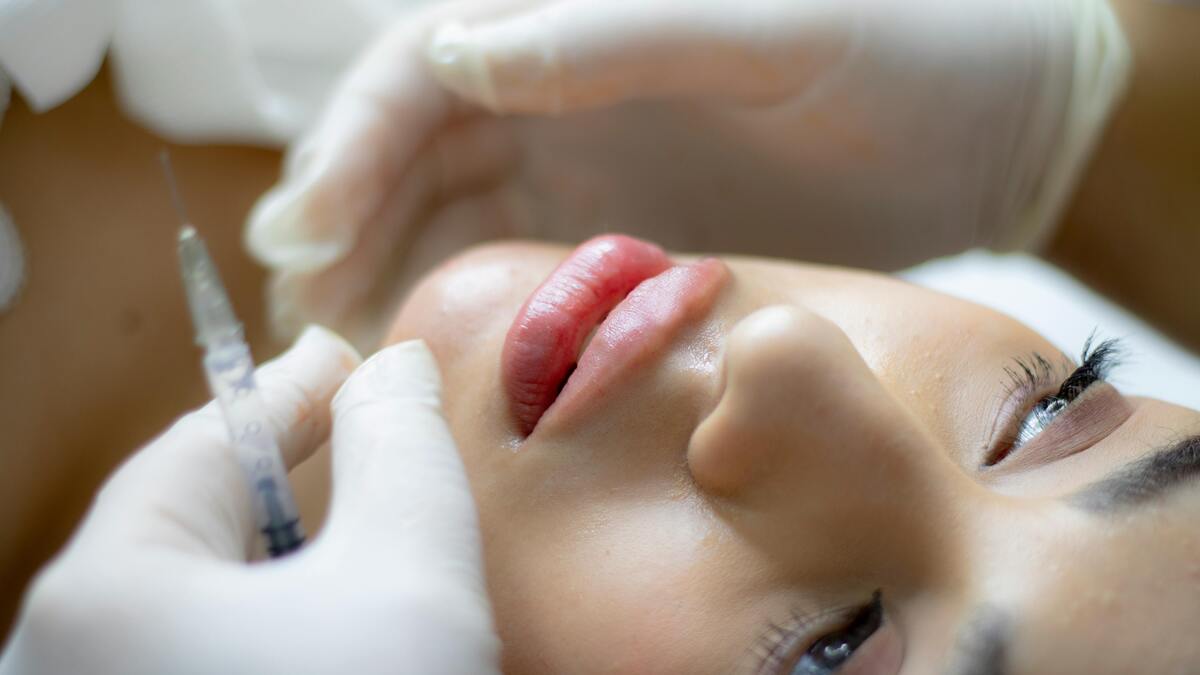
Lip fillers continue to be one of the most popular non-surgical cosmetic treatments because they can enhance volume, improve lip shape, and create subtle balance without long recovery time.
Before booking, however, most people want clarity on one practical question: how long does lip filler last?
There is no universal answer. Some people hold results longer than others, while some notice fading sooner depending on metabolism, product choice, lifestyle, and technique. In addition, the appearance changes through different stages.
How Long Does Lip Filler Last Overall?
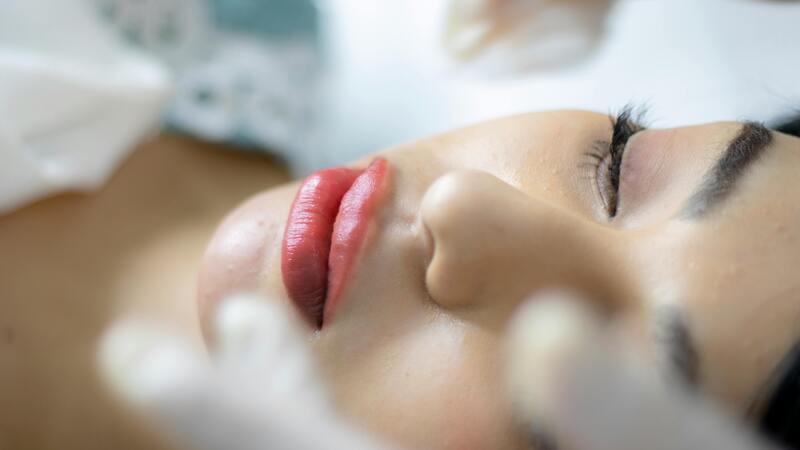
When people ask how long does lip filler last, they are usually referring to how long the added volume remains visible before the body gradually breaks the filler down.
For most hyaluronic acid fillers, results commonly last 6 to 12 months. Some people may notice fading closer to the six-month mark, while others retain shape and fullness longer.
Several factors influence duration:
- Faster metabolism can dissolve filler more quickly
- Frequent lip movement may shorten longevity slightly
- Different filler formulas are designed to last different lengths of time
- Repeat treatments sometimes help maintain results more consistently
Clinical information from U.S. Food and Drug Administration notes that many dermal fillers are temporary products designed to be naturally absorbed over time.
Lip Filler Timeline: What Happens After Injection
Knowing the lifespan is helpful, but many people are equally interested in what happens immediately after treatment. The full answer to how long does lip filler last also includes understanding the healing process.
First 24–48 Hours
The earliest stage often surprises first-time clients because lips can look fuller than expected.
During the first two days, it is common to experience:
- Swelling
- Tenderness
- Mild bruising
- Temporary asymmetry
This does not represent the final result. The lips are reacting normally to injections and handling.
Cold compresses, hydration, and following aftercare guidance usually help during this phase.
3–7 Days
By the middle of the first week, swelling usually starts to settle. Bruising often fades, and the lips begin looking more balanced.
- Shape becomes easier to assess
- Texture feels softer
- The exaggerated “day one” look often reduces
This is often the stage where people feel more comfortable returning fully to normal routines.
2 Weeks
Around two weeks after treatment, filler typically looks much closer to the final outcome.
- Most swelling has resolved
- Product has settled into place
- Lip shape is easier to evaluate accurately
Many providers prefer reviewing results at this point if adjustments are needed.
So, while someone may ask how long does lip filler last, the more immediate milestone is often reaching the two-week settled stage.
>>> Read more: Can You Buy Vitamins With EBT? Why Most Are Not Covered
How Long Does Lip Filler Swelling Last?
How long does swelling last after lip filler? Swelling is temporary, but it strongly affects expectations. People often worry the initial appearance will remain unchanged.
In reality, swelling usually follows a predictable pattern:
- Most noticeable in the first 24–48 hours
- Clearly improved within 3–5 days
- Minor residual swelling may linger up to 1–2 weeks
How long swelling lasts depends on the amount injected, individual sensitivity, and aftercare habits.
Some people heal quickly, while others retain puffiness slightly longer. Salt intake, dehydration, strenuous exercise, and touching the lips too much can also worsen swelling early on.
Signs Your Lip Filler Is Wearing Off
Filler rarely disappears overnight. Most people notice subtle changes over time rather than one sudden drop in volume.
Recognizing these changes can help you decide when maintenance makes sense.
Volume Gradually Decreases
One of the earliest signs is a slow reduction in fullness. Lips may still look attractive, but less plump than the first few months after treatment.
Photos often reveal this change better than the mirror because fading is gradual.
Shape Becomes Less Defined
As filler breaks down, lip borders may appear softer and less structured. Cupid’s bow definition can become less pronounced, especially in people who initially treated shape rather than volume.
Texture Feels Softer
Some clients describe the lips as feeling more natural and less supported over time. This can happen as the filler integrates and gradually dissolves.
These changes are normal and help answer how long does lip filler last in practical, real-life terms.
Plan Your Touch-Up at the Right Time
Many people wait until results are almost completely gone before booking again. In many cases, a more strategic approach works better.
Rather than restarting from zero, scheduling a review when results begin softening may help maintain consistency.
For many clients, that means checking in around:
- 6 months if results fade quickly
- 8 to 10 months for moderate longevity
- 12 months or later if filler remains stable
The right timing depends on your goals. Someone wanting subtle maintenance may return earlier than someone comfortable with gradual fading.
A qualified injector can also help determine whether you need more volume, a shape adjustment, or simply more time before retreatment.
>>> Read more: Can You Buy Protein Powder With EBT? What SNAP Actually Allows?
Final Thoughts
Results from lip fillers are not defined by a single moment, they unfold over time, from initial swelling to gradual softening and eventual fading.
Instead of focusing only on duration, it is more useful to think about how your lips change at each stage and how those changes fit your expectations. The timeline itself becomes a guide, helping you understand when results are settling, when they are at their best, and when they begin to fade.
For most people, the question “how long does lip filler last” becomes easier to answer after experiencing that full cycle once. You start to recognize your own pattern, how quickly swelling subsides, how long volume holds, and when subtle changes begin to appear.