
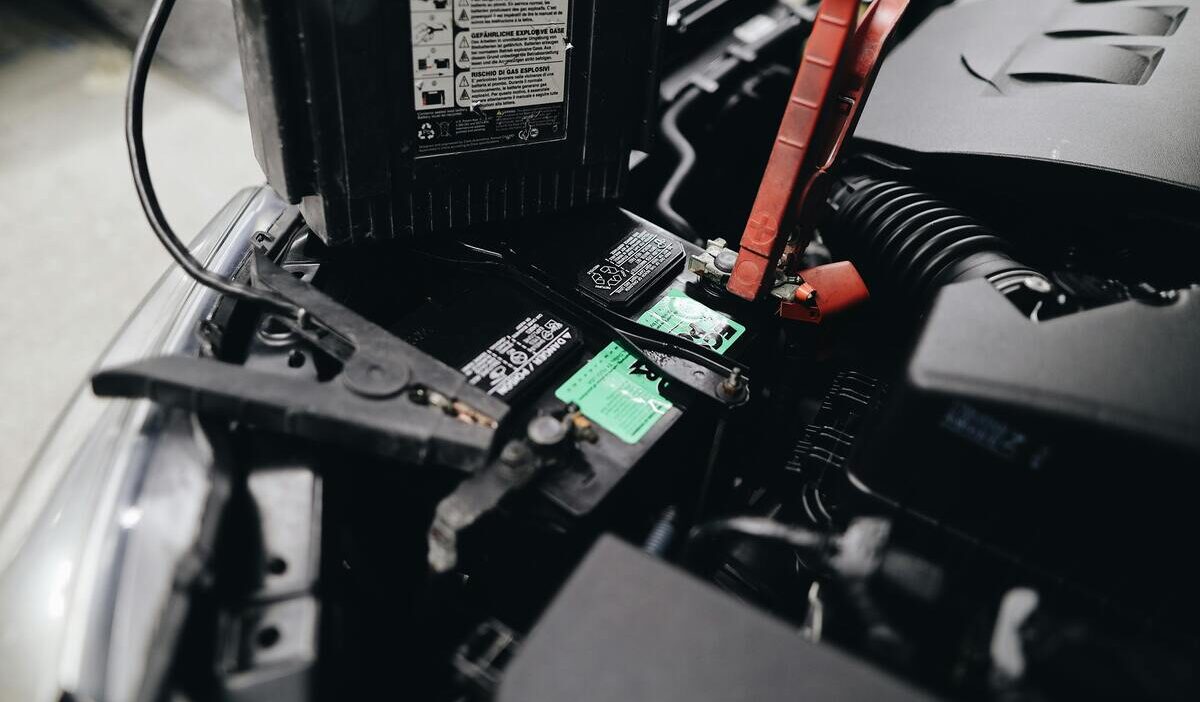
A car battery is one of the easiest parts of a vehicle to forget, until the day the engine refuses to start. It powers ignition, supports electronics, and helps keep modern systems running smoothly, yet many drivers only think about it when trouble appears.
That is why people often ask “how long does a car battery last” before replacement becomes necessary.
How Long Does a Car Battery Last on Average
When drivers ask how long does a car battery last on average, most standard vehicles fall into a familiar range: around 3 to 5 years.
That estimate works well as a guideline, but it should not be treated as a guarantee. Some batteries fail sooner, while others continue working beyond five years depending on conditions.
Battery lifespan is shaped by several common factors. Heat is one of the biggest influences because high temperatures speed up internal chemical wear. Frequent short trips can also reduce longevity because the battery may not have enough time to fully recharge between starts.
Research from U.S. Department of Energy has long noted that temperature and repeated charge cycles play a major role in battery aging.
How Long Does a Battery Last in a Car (Real Usage)
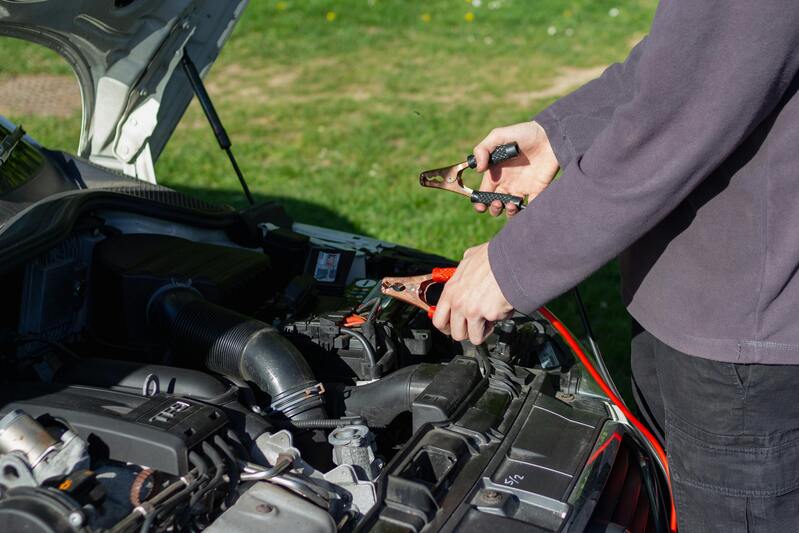
Another way people ask this question is about day-to-day function rather than total lifespan. In that sense, how long does a battery last in a car refers to how it performs during regular driving.
A healthy battery should reliably:
- Start the engine consistently
- Support headlights, infotainment, and accessories
- Recover charge while the engine runs
How long does electric car battery last in a day? When the alternator is working properly, the battery is continuously recharged during driving. That means under normal conditions, the battery is not meant to “run out” during a standard trip.
However, real usage can create extra strain. A car that sits for weeks may slowly lose charge. Frequent cold starts, heavy accessory use, and repeated short commutes can also wear the battery faster than expected.
How Long Does a New Car Battery Last?
Many people expect a replacement battery to solve problems for years, and often it does. Still, expectations should be realistic because lifespan depends on conditions after installation as much as the battery itself.
Under Normal Conditions
Under normal circumstances, a high-quality battery typically lasts between 4 and 5 years. This timeline applies to vehicles that follow a consistent driving routine, allowing the alternator to maintain a healthy charge. You can generally expect the longest lifespan from your battery if your driving habits include:
- Frequent weekly use: Regular operation prevents the battery from discharging deeply.
- Sustained highway speeds: Longer trips provide the time necessary for the charging system to fully replenish the battery’s energy.
- Mild climates: Temperatures that stay away from extreme highs or lows preserve the chemical balance inside the cells.
- Healthy electrical systems: A well-maintained alternator ensures the battery is never overworked.
Under Harsh Conditions
Demanding conditions can significantly reduce a battery’s efficiency, often requiring a replacement every 2 to 3 years. Extreme summer heat is particularly damaging, as it evaporates internal fluids and accelerates the degradation of the lead plates.
Usage patterns also play a major role in how long does a battery last in a car over time. Frequent stop-and-go driving or short trips can recharge the battery and create a constant state of strain.
Additionally, leaving a vehicle idle for weeks at a time allows the natural “parasitic drain” of the car’s electronics to deplete the voltage.
Signs Your Car Battery Is About to Die
Even without checking the installation date, many batteries give warning signs before failure. Recognizing those signals early can save time, towing costs, and frustration.
Engine Starts Slowly
Since the battery powers everything electrical, a weak battery causes parts of your car to act strange. You might notice your headlights look dimmer than usual or your interior lights flicker.
Other electronics, like power windows, might move slower than they used to. These are all signs that your battery is struggling to provide enough power to the vehicle.
Dim Lights or Electrical Issues
As voltage weakens, electronics may begin to show it.
You might notice headlights looking dimmer than usual, interior lights fading, or power accessories responding slowly. These symptoms do not always mean battery failure, but they often point to reduced electrical performance.
Dashboard Warning Light
Most cars have a battery-shaped warning light on the dashboard. When this light stays on, it often makes drivers wonder how long does a battery last in a car before it finally quits.
Usually, this light means the battery is weak or the charging system has a problem. If you see this icon, you should have your battery tested right away to avoid getting stranded.
>>> Read more: Need Gas or Snacks? What Gas Stations Accept EBT Near Me
Don’t Wait Until It Dies: Plan Ahead
One of the most expensive habits drivers develop is waiting until the battery completely fails before taking action.
A dead battery rarely happens at a convenient time. It often occurs before work, in bad weather, or far from home. That is why planning ahead is smarter than reacting later.
Once a battery approaches the end of its expected life, consider having it tested during routine service visits. Many repair shops and auto parts stores offer quick battery health checks.
Good habits that reduce surprises include:
- Knowing the battery’s installation date
- Testing it after year three
- Watching for slower starts
- Replacing it before repeated issues begin
>>> Read more: How Long Do Tires Last? Mileage, Time, and When to Replace Them
Final Thoughts
There is no perfect calendar date for battery replacement because batteries age based on usage patterns rather than chronological age alone. A daily commuter vehicle in mild weather often maintains a healthy charge much longer than a secondary car exposed to extreme temperatures or long periods of inactivity.
Because environmental factors vary so much, simply asking how long does a car battery last serves best as a baseline for maintenance rather than a strict expiration date.