
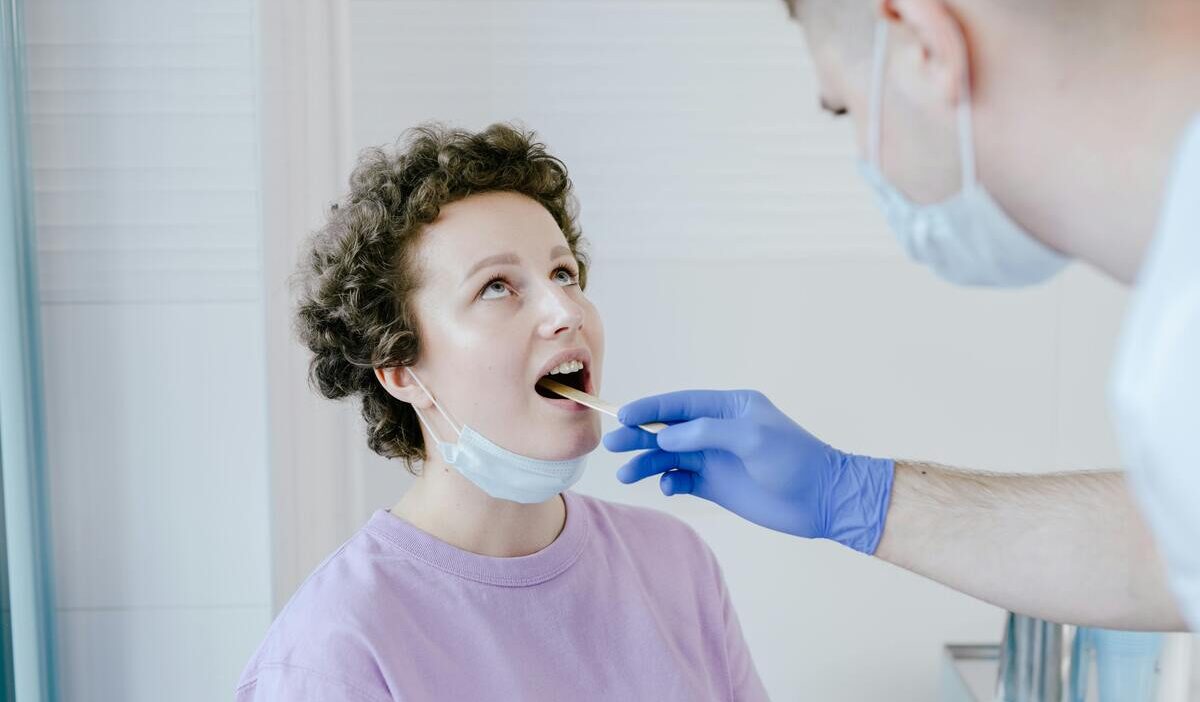
Strep throat often begins suddenly. A sore throat, painful swallowing, fever, swollen glands, and fatigue can appear quickly, making many people wonder how long they will feel this way, and when it is safe to return to work, school, or normal life.
That’s why “how long does strep last” is one of the most common questions after symptoms begin.
The timeline can change significantly depending on whether treatment starts early. With antibiotics, symptoms often improve much faster. Without treatment, discomfort may continue longer and complications become a greater concern.
How Long Does Strep Last From Start to Finish?
Strep throat is caused by Group A Streptococcus bacteria, not a virus. Because of that, it follows a different path than many routine sore throats.
Without treatment, symptoms may continue for several days to over a week, and some people remain uncomfortable longer. With prompt antibiotics, improvement often begins within the first couple of days.
Common symptoms may include:
- Sudden sore throat
- Pain when swallowing
- Fever
- Swollen lymph nodes
- Red or inflamed throat
- Headache or body aches
Health guidance from Centers for Disease Control and Prevention notes that testing and treatment are important, because bacterial strep throat can be managed differently from viral throat infections.
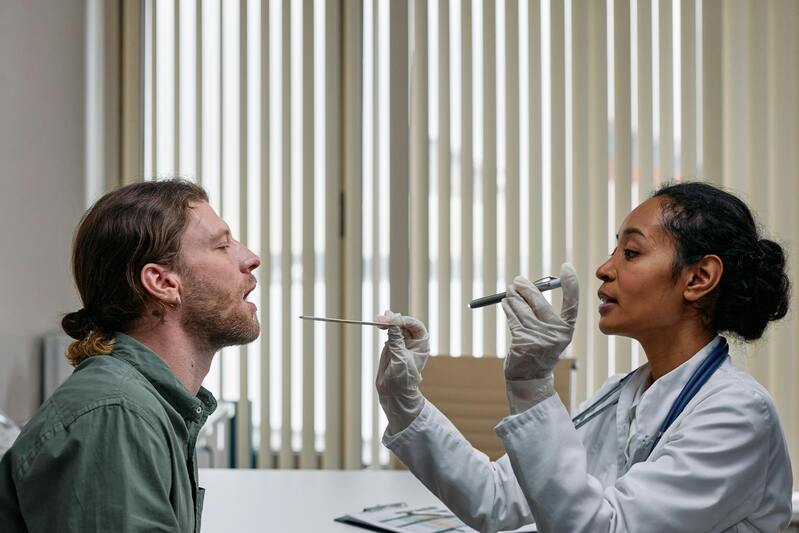
With Antibiotics, the Turning Point Comes Fast
One of the reasons doctors prescribe antibiotics for confirmed strep throat is that they often shorten symptom duration, reduce contagious spread, and lower the chance of certain complications.
Many people notice the biggest change within the first 24 to 48 hours after starting medication. Fever may begin to improve, swallowing may become easier, and overall discomfort often starts easing.
That does not mean the infection is fully gone immediately. Finishing the prescribed course remains important even when symptoms improve early.
>>> Read more: How Long Do Veneers Last Before You Need to Replace Them
How Long Does Strep Throat Last With Antibiotics?
For many patients, strep throat with antibiotics is a shorter timeline than expected.
Symptoms often begin improving within 1 to 2 days after starting treatment. Many people feel much better in several days, though full recovery can vary depending on severity and general health.
Fatigue or throat irritation may linger briefly even after the worst symptoms pass. The key point is that antibiotics often change the course quickly once the infection is correctly diagnosed.
When You’re No Longer Contagious?
A major concern for families is when someone can safely return to school, work, or shared spaces.
The Centers for Disease Control and Prevention states that people with strep throat who start appropriate antibiotics are often less likely to spread infection after about 24 hours, especially if fever has resolved and they feel better.
Policies from schools or workplaces may vary, so local guidance still matters. This is another reason timely treatment can affect not only how long does strep last, but also how long daily life is disrupted.
Without Treatment, It Lingers Much Longer
Some sore throats improve on their own, which leads some people to delay care. However, confirmed bacterial strep may continue longer without treatment.
For those wondering how long does strep throat last without antibiotics, symptoms can persist for many days and sometimes over a week. In addition, the person may remain contagious longer.
Untreated strep can also raise the risk of complications involving the ears, sinuses, or, in some cases, more serious inflammatory problems.
That does not mean every sore throat requires antibiotics, but it does mean persistent symptoms deserve proper evaluation. When bacterial strep is present, treatment often changes both comfort and risk.
>>> Read more: How Long Does Lip Filler Last? Timeline & Final Results
When to Worry Instead of Wait?
Not every sore throat is an emergency, but certain warning signs should move the situation from waiting to seeking medical attention.
Prompt evaluation is wise when symptoms include:
- Trouble swallowing liquids
- Difficulty breathing
- High fever that continues
- Severe swelling in the throat or neck
- Rash
- Worsening pain instead of improvement
- Symptoms returning after initial recovery
The Mayo Clinic and other medical organizations also advise checking persistent throat symptoms that do not improve as expected.
Stay Informed, Especially When It Comes to Health
Many throat infections feel similar in the early stages. Viral sore throats, allergies, reflux, and bacterial infections can overlap in symptoms, which is why guessing based on throat pain alone is unreliable.
Staying informed means recognizing when testing may be helpful, when isolation matters, and when symptoms deserve attention rather than home observation.
Good habits often include:
- Monitoring fever and pain levels
- Staying hydrated
- Replacing toothbrushes after recovery if advised by your provider
- Following the full antibiotic course when prescribed
- Limiting close contact during contagious periods
Reliable health information from sources such as Centers for Disease Control and Prevention can help reduce confusion when symptoms appear.
Final Thoughts
Strep throat usually feels sudden and disruptive, but the timeline often becomes much clearer once treatment status is known. That’s why “how long does strep last” has two very different answers depending on whether antibiotics are started.
With treatment, many people begin improving quickly and become less contagious sooner. Without treatment, symptoms may last longer and create greater concern for complications.
The smartest approach is not trying to out-wait every sore throat. Persistent fever, severe pain, or worsening symptoms deserve proper medical guidance.