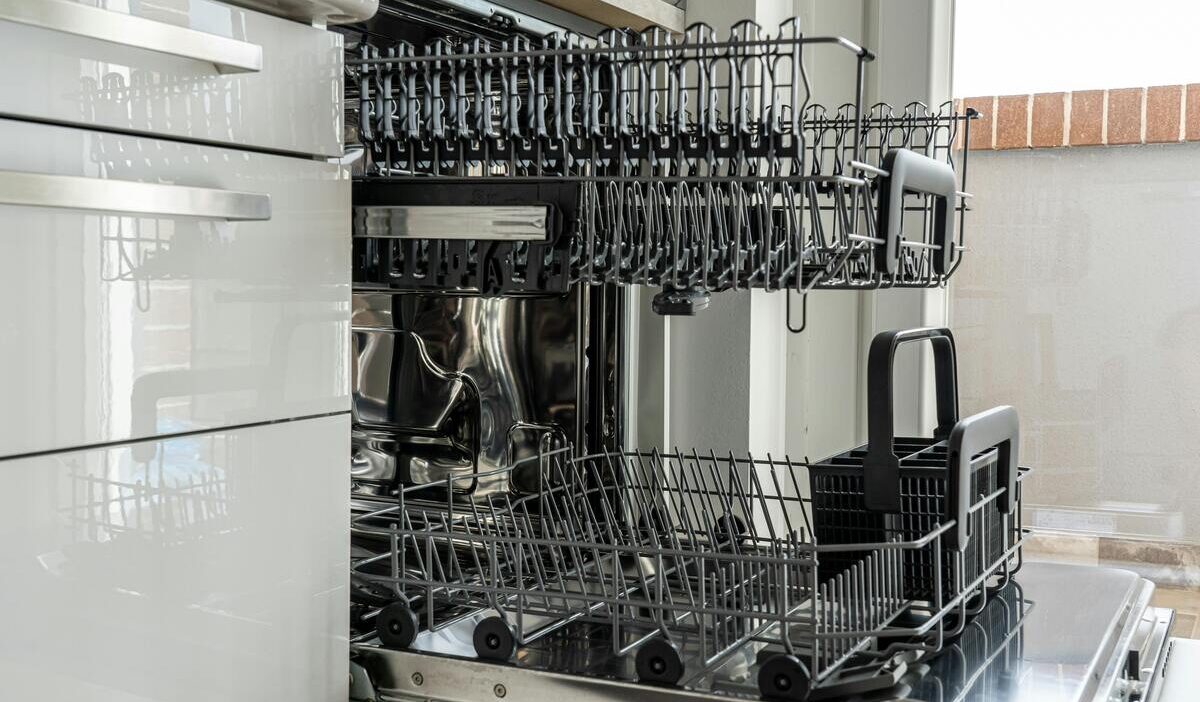
A dishwasher often becomes one of the most unnoticed appliances in the home, until it starts causing problems. Dishes come out cloudy, cycles run longer than expected, water remains at the bottom, or strange noises suddenly become normal.
That is usually when homeowners begin asking “how long do dishwashers last” and whether repair is still worth it.
The honest answer depends on more than age alone. Build quality, water hardness, loading habits, maintenance, and how often the machine runs all shape its real lifespan. Two dishwashers installed in the same year can perform very differently a decade later.
How Long Do Dishwashers Last in Everyday Use
In many homes, dishwashers last around 9 to 12 years. Some models fail sooner, while well-maintained units can continue beyond that range.
Daily conditions make a major difference. A household running one cycle every few days puts far less strain on a machine than a large family running multiple loads daily. Hard water can also shorten component life by leaving mineral deposits on pumps, heating elements, and spray arms.
Consumer guidance from Consumer Reports and appliance service professionals often note that maintenance habits strongly affect appliance longevity.
How long do dishwashers usually last? Several factors usually influence lifespan:
- Number of wash cycles per week
- Water mineral content
- Quality of detergent use
- Filter cleaning frequency
- Loading habits that strain racks or spray arms
- Prompt repair of small leaks or clogs
Why age alone can be misleading? A ten-year-old dishwasher used lightly may still clean well. A six-year-old unit in heavy daily use may already feel worn out.
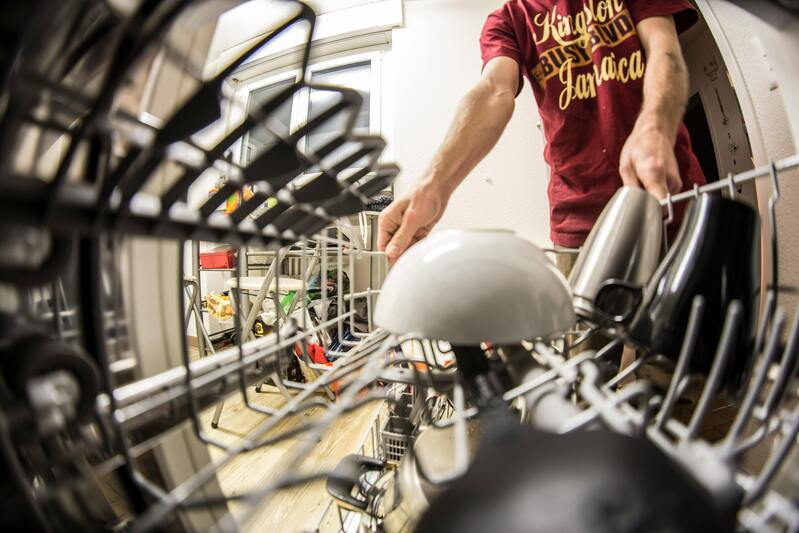
The First Sign Isn’t Failure But Frustration
Most dishwashers do not suddenly die overnight. Long before total failure, they often become frustrating.
This frustration stage can include dishes needing rewashing, detergent residue left behind, longer cycle times, or recurring odors. The machine still technically works, but the convenience it was bought for starts disappearing.
Common warning signs include:
- Glasses come out cloudy
- Food particles remain on plates
- Standing water appears after cycles
- Loud grinding or rattling sounds
- Door seals begin leaking
- Buttons respond inconsistently
When a machine creates extra work instead of saving time, its practical lifespan may already be ending.
>>> Read more: How Long Does a Water Heater Last and When Is It Time to Replace It?
Light Use vs Heavy Use: Same Machine, Different Lifespan
Two identical dishwashers can age very differently depending on workload. A couple running three loads a week creates far less wear than a household washing baby bottles, cookware, and daily meals across multiple cycles every day.
Pumps, motors, hinges, racks, and electronics all experience more stress with heavier use.
Heavy-use homes may also notice:
- Rack coating wear sooner
- Spray arms clogging faster
- Filters requiring more frequent cleaning
- Motors becoming louder earlier
- Door hinges loosening sooner
Meanwhile, lighter-use homes often stretch lifespan longer with the same original model. Usage intensity matters just as much as brand name.
When Repair Stops Making Sense
Repairs can absolutely be worthwhile, especially for newer machines or simple part replacements. But every dishwasher reaches a point where repeated fixes cost more than the value returned.
A repair often makes sense when:
- The unit is relatively new
- The issue is isolated (pump, latch, seal, sensor)
- Overall cleaning performance is still strong
- Energy and water use remain efficient
Replacement often becomes smarter when:
- The unit is near or beyond expected lifespan
- Multiple parts are failing close together
- Repair costs approach a large share of replacement price
- Rust, leaks, or structural wear appear
- Cleaning results remain poor after servicing
Appliance advice from Consumer Reports frequently encourages weighing repair cost against age and replacement efficiency.
The Hidden Cost of Keeping an Old Dishwasher
Many people keep aging dishwashers because they still run. But an older machine can cost more quietly than expected.
The hidden costs may include:
- Higher water usage
- Lower energy efficiency
- Repeat hand-washing after weak cleaning cycles
- More detergent wasted on reruns
- Risk of leaks damaging floors or cabinets
- Lost time dealing with unreliable cycles
A machine that technically works may still be expensive in practice.
Modern dishwashers are often quieter, more water-efficient, and better at targeted cleaning than older models. In some homes, upgrading before catastrophic failure can improve convenience and reduce utility waste.
>>> Read more: How Long Do Veneers Last Before You Need to Replace Them
Final Thoughts
Dishwashers rarely stop being worth it on one dramatic day. More often, they decline gradually through weaker cleaning, louder operation, repeated repairs, and rising frustration.
For many households, how long do dishwashers last means around a decade of dependable service, with some lasting longer and some wearing out sooner depending on workload and maintenance.
The smarter question is not only how old the machine is, but whether it still saves time, money, and effort the way it once did.