
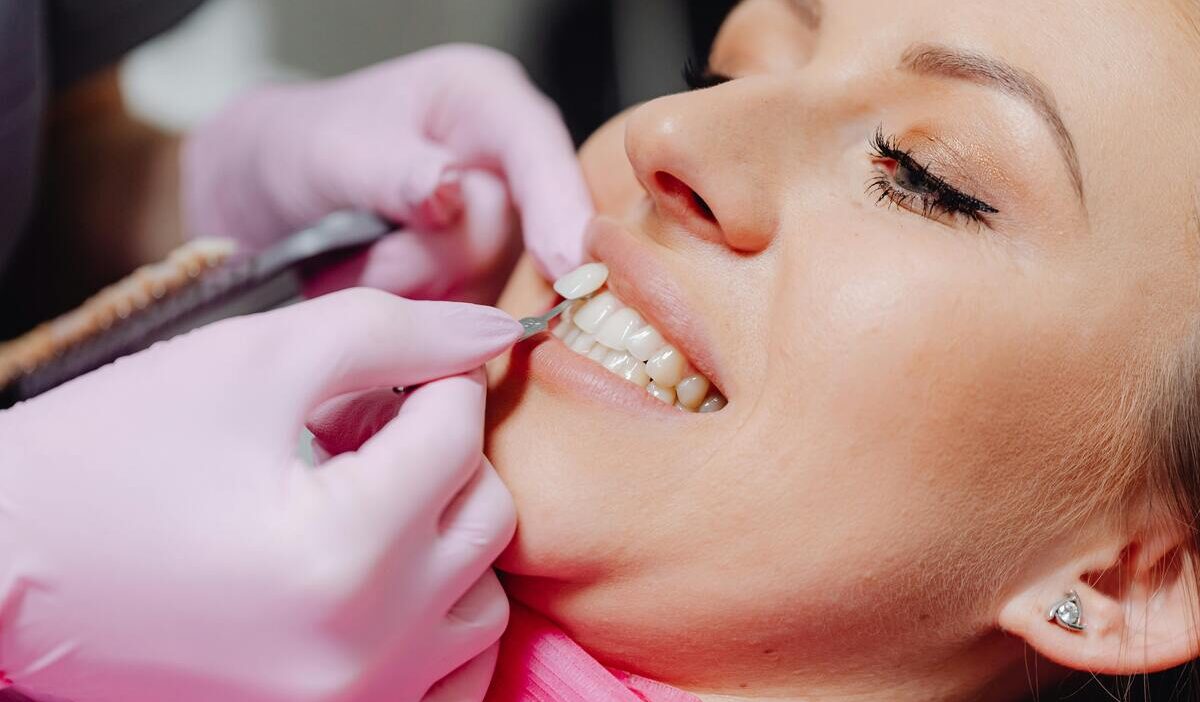
Veneers are often chosen to improve shape, color, spacing, or overall smile symmetry. They can create dramatic cosmetic changes with relatively conservative dental treatment, which is why they remain one of the most requested smile-enhancement options.
Still, before committing, one practical question matters more than almost any other: how long do veneers last?
The answer depends on what you mean by “last.” Some people mean how long veneers stay attached. Others mean how long they continue looking attractive, stain-free, and natural before repairs or replacement become necessary.
Material choice, bite pressure, oral habits, and maintenance all influence the timeline.
How Long Do Veneers Last Depends on What You Expect
A veneer may remain bonded to the tooth for years, yet still need replacement sooner because of wear, edge chipping, discoloration, or cosmetic changes. On the other hand, some veneers remain highly functional and attractive for much longer than expected.
That distinction matters because durability and satisfaction are not always the same thing. For many patients, veneers are judged by:
- How natural they still look
- Whether the margins remain clean and smooth
- If shape or shine has changed
- Whether chips or cracks appear
- How well they still fit the smile overall
Dental organizations such as American Dental Association regularly emphasize oral hygiene and regular professional exams, both of which can affect the lifespan of restorative dental work.

Porcelain vs Composite: Two Very Different Timelines
How long do dental veneers last? Not all veneers age the same way. Material choice strongly affects longevity, maintenance needs, and how the surface changes over time.
Porcelain is known for stain resistance and long-term durability. Composite resin is often more affordable and easier to repair, but it may wear sooner.
How Long Do Porcelain Veneers Last?
Porcelain veneers commonly last 10 to 15 years, and in some well-maintained cases even longer.
They are popular because porcelain tends to resist staining better than resin materials and can mimic the light-reflecting quality of natural enamel.
Patients who maintain strong hygiene habits and avoid damaging habits often get the best results.
How Long Do Composite Veneers Last
Composite veneers usually have a shorter expected lifespan, often around 5 to 7 years, though this varies by case and care habits.
They can still be an excellent option for certain cosmetic goals because they are often quicker to place and easier to repair if minor damage occurs.
However, composite may be more prone to:
- Surface wear
- Staining over time
- Chipping under stress
- Needing touch-ups sooner
>>> Read more: How Long Does Lip Filler Last? Timeline & Final Results
Front Teeth Take the Most Impact
Front teeth are the most visible part of the smile, but they also experience frequent daily stress. Biting into foods, nail-biting habits, opening packaging, or grinding can all place force on veneers.
Because of that, many people specifically wonder how long do veneers last on front teeth.
The answer often depends on how the front teeth are used. Veneers placed on teeth that regularly bite hard foods or experience nighttime grinding may face more risk than veneers supported by a balanced bite.
Dentists often recommend avoiding using veneered front teeth as “tools” for tearing packages or biting hard objects. Protective night guards may also be advised for patients who clench or grind during sleep.
So while front veneers can last many years, they often need more mindful care than patients realize.
The Real Cost Is in Replacement Cycles
Many buyers compare veneer prices only by the first treatment cost. A smarter comparison looks at replacement cycles over time.
For example, a lower-cost option might seem cheaper, but it often requires more frequent maintenance. Over many years, this can actually become more expensive than a high-quality option with longer durability.
Long-term planning often includes:
- Initial placement cost
- Future repairs or touch-ups
- Replacement timing
- Professional cleanings and exams
- Protective appliances such as night guards
What Shortens Veneer Lifespan Without You Noticing?
Many veneers fail gradually rather than through one dramatic event.
Small habits repeated daily can shorten lifespan over time:
- Grinding or clenching teeth
- Chewing ice or hard objects
- Using teeth to open packages
- Skipping routine dental cleanings
- Poor gum care around veneer margins
- Frequent exposure to staining foods or tobacco
The American Dental Association stresses regular brushing, flossing, and professional checkups. In fact, healthy gums and teeth provide the necessary foundation for dental restorations. Consequently, consistent oral care helps your fillings or crowns last much longer.
In many cases, the biggest threat is not one accident, it is unnoticed repetition.
>>> Read more: How Long Does Cologne Last? On Your Skin vs In the Bottle
Final Thoughts
Veneers are not temporary in the casual sense, but they are also not a lifetime-once-and-done purchase. Like most dental restorations, they age according to material choice, bite forces, maintenance, and personal habits.
For some patients, how long do veneers last means over a decade of strong cosmetic performance. For others, earlier repairs or replacement may happen because of wear, damage, or changing smile goals.
Porcelain usually offers a longer timeline, while composite can provide flexibility and lower upfront cost. Neither option is automatically better without considering lifestyle and expectations.
The smartest way to judge veneers is not only by how they look on day one, but by how they fit your long-term budget, habits, and oral health routine.