
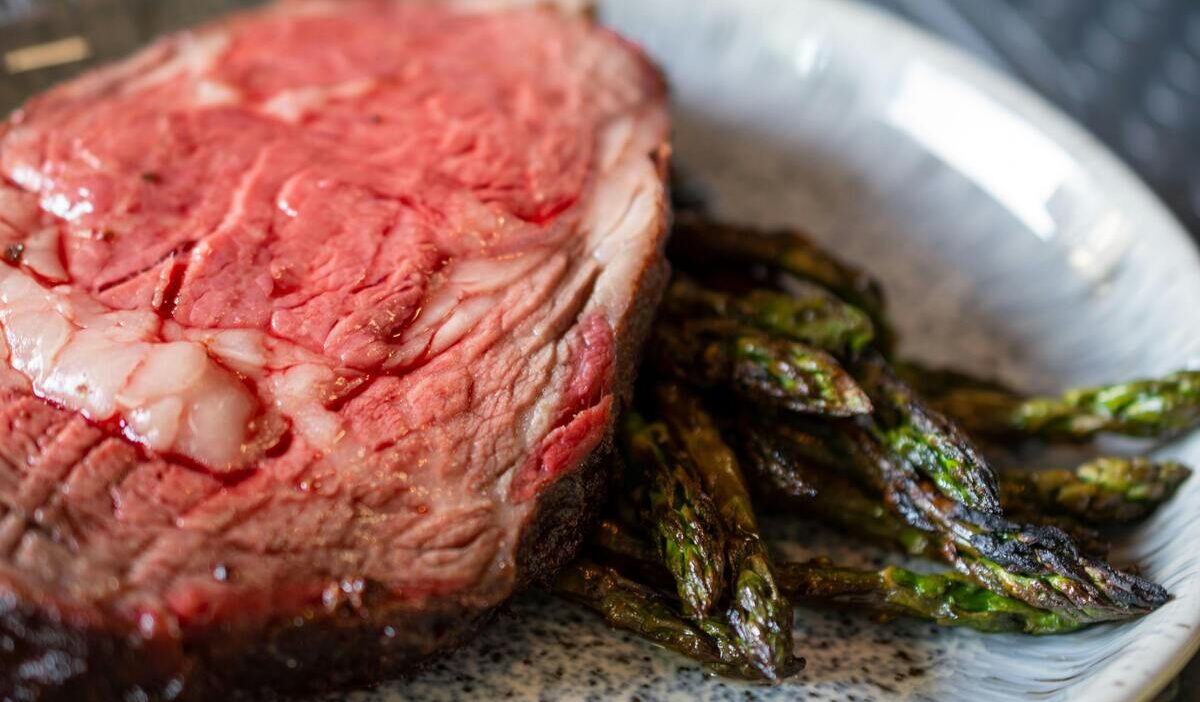
Asparagus is one of those vegetables that can feel perfectly fresh one day and suddenly turn limp or slimy the next. Unlike sturdier produce, asparagus loses moisture quickly and reacts strongly to poor refrigerator storage.
How long does asparagus last in the fridge? The answer changes depending on whether the asparagus is raw, cooked, washed, or stored properly after purchase.
For most households, the biggest issue is not immediate spoilage, it is quality decline. Fresh asparagus often starts softening before people realize storage conditions are already shortening its lifespan.
1. How Long Does Asparagus Last in the Fridge Before It Starts Losing Quality?
Fresh asparagus usually keeps its best quality for several days under proper refrigeration, though moisture balance plays a major role in how long it stays crisp.
How Long Does Raw Asparagus Last in the Fridge?
How long does fresh asparagus last in the fridge? For fresh stalks, it usually lasts around 5 to 7 days when stored correctly.
The U.S. Department of Agriculture FoodKeeper storage guidance notes that refrigerated fresh asparagus maintains quality for several days under proper cold storage conditions.
However, several factors can shorten that timeline:
- Excess moisture
- Delayed refrigeration
- Dry refrigerator air
- Poor airflow
- Storage in sealed wet bags
How Long Does Cooked Asparagus Last in the Fridge?
Cooked asparagus has a shorter freshness window because heat breaks down its structure and releases additional moisture.
For most leftovers, cooked asparagus usually last around 3 to 5 days in a sealed refrigerated container.
Texture decline often happens before spoilage becomes obvious. Refrigerated cooked asparagus may become:
- Softer
- Waterlogged
- Mushy
- Less flavorful
2. The Way You Store Asparagus Makes a Big Difference
Storage habits affect asparagus more dramatically than many vegetables.
Trim the Ends Before Refrigerating
Freshly trimming the stalk ends helps asparagus absorb moisture more effectively during storage.
Dry ends reduce hydration and often accelerate softening.
A small trim before refrigeration can help preserve freshness longer.
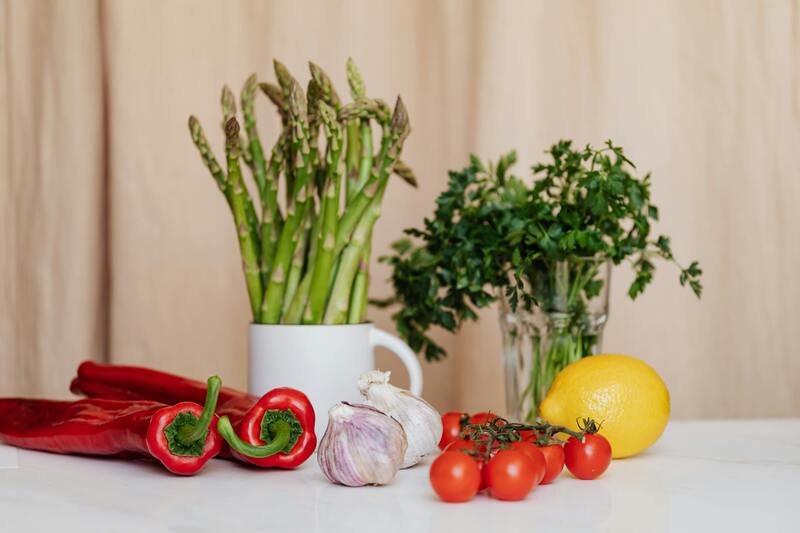
Store Asparagus Upright in Water
One of the most effective methods is storing asparagus upright with a small amount of water at the bottom of the container. Helpful setup:
- Place stalks upright like flowers
- Add about an inch of water
- Refrigerate immediately afterward
Cover the Tops To Keep Moisture Balanced
Lightly covering asparagus with a loose produce bag helps maintain balanced humidity.
Too much trapped moisture encourages slime, while too little moisture dries the stalks out quickly.
Keep Asparagus in the Refrigerator Immediately
Asparagus loses quality quickly at room temperature. Fast refrigeration helps preserve:
- Crisp texture
- Moisture balance
- Flavor
- Appearance
>>> Read more: How Long Do Hard Boiled Eggs Last in the Fridge? The Safe Window Most People Miss
3. Can You Freeze Asparagus?
Yes, asparagus can be frozen, though the texture changes after thawing. Frozen asparagus usually works best in:
- Soups
- Roasted dishes
- Stir-fries
- Pasta recipes
For best results:
- Blanch briefly before freezing
- Dry thoroughly
- Store in freezer-safe bags or containers
Freezing is often the best option if you know the asparagus will not be used within the normal refrigerated timeline.
4. How To Tell if Asparagus Has Gone Bad?
Asparagus usually gives several warning signs before becoming unsafe.
Changes in Texture and Smell
Fresh asparagus should feel:
- Firm
- Crisp
- Slightly moist but not sticky
Spoilage signs include:
- Mushy texture
- Strong sour smell
- Severe limpness
- Wrinkling or collapse
Signs of Mold or Sliminess
Sliminess is one of the clearest spoilage indicators. Watch for:
- Sticky coating
- White fuzz or mold
- Dark wet patches
- Excessive moisture buildup
When Asparagus Is No Longer Safe To Eat
If asparagus smells sour, feels slimy, or shows visible mold, it should be discarded.
Slight limpness alone does not always mean unsafe, but strong odor and sticky texture are different issues entirely.
>>> Read more: How Long Does Rice Last in the Fridge? Storage Time, Safety & Leftover Tips
5. FAQs
Why does asparagus become slimy in the fridge?
Sliminess usually develops because of excess trapped moisture and bacterial growth during storage.
Can limp asparagus still be cooked?
Often, yes. Slightly limp asparagus may still work well in cooked dishes if there are no spoilage signs like slime or sour smell.
Should asparagus be washed before refrigerating?
Usually not. Washing before storage can introduce excess moisture that shortens freshness unless the asparagus is dried very thoroughly afterward.
Why do asparagus tips spoil first?
The tips are more delicate and moisture-sensitive than the thicker stalks, so they soften and deteriorate faster.
6. Final Thoughts
So, how long does asparagus last in the fridge? Fresh raw asparagus usually stays at its best for around 5 to 7 days, while cooked asparagus generally lasts closer to 3 to 5 days refrigerated.The biggest factor is often storage method.
Proper hydration, balanced airflow, and fast refrigeration can noticeably improve the time asparagus last in the fridge before quality starts declining. Slight softness may still be usable in cooked meals, but slime, mold, or sour odor are clear signs it is time to throw it away.