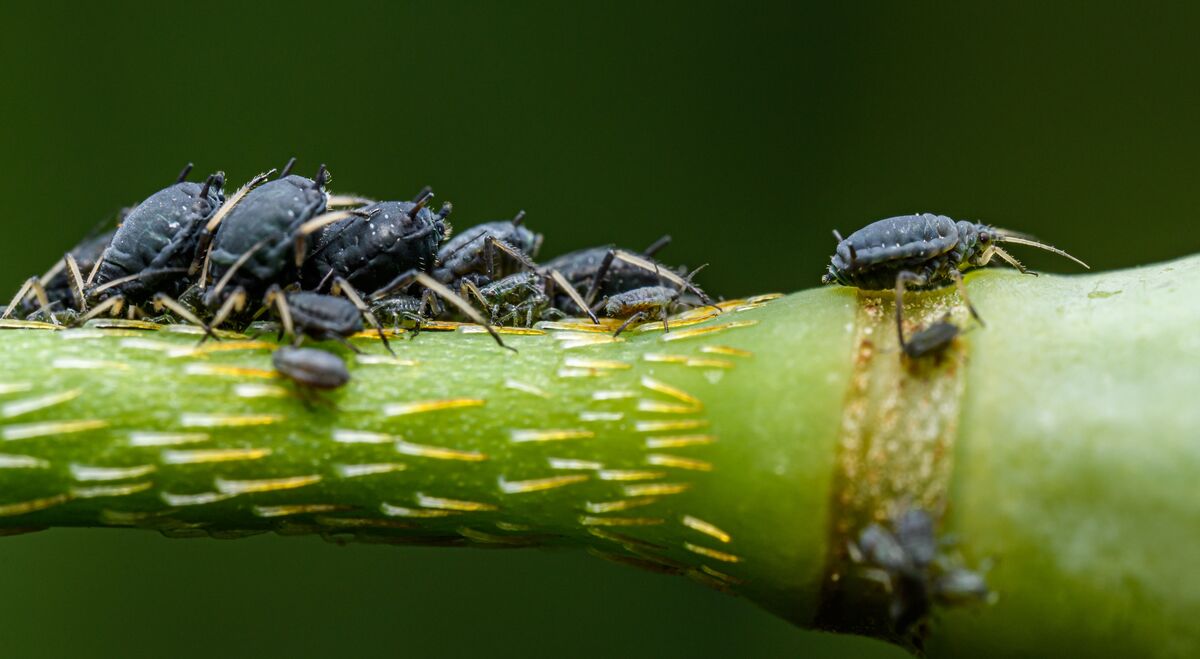
Aphids are small, soft-bodied insects that gather on new shoots, stems, flower buds, and the undersides of leaves. They feed by drawing sap from plants and may cause curled leaves, distorted growth, sticky honeydew, and black sooty mold. Some aphid species can also spread plant viruses.
How to get rid of aphids? The best approach is to begin with low-impact methods such as water, pruning, and natural predators before moving to insecticidal soap, horticultural oil, or another labeled treatment.
1. Why Are Aphids Attacking Your Plants?
Aphids are usually attracted to soft, actively growing plant tissue. Tender shoots and new leaves contain accessible sap, making overfertilized or rapidly growing plants especially appealing.
Aphids release a sugary waste called honeydew. This substance makes leaves sticky and attracts ants, yellowjackets, and other insects. Ants may protect aphids from lady beetles, lacewings, and other predators so they can continue collecting honeydew.
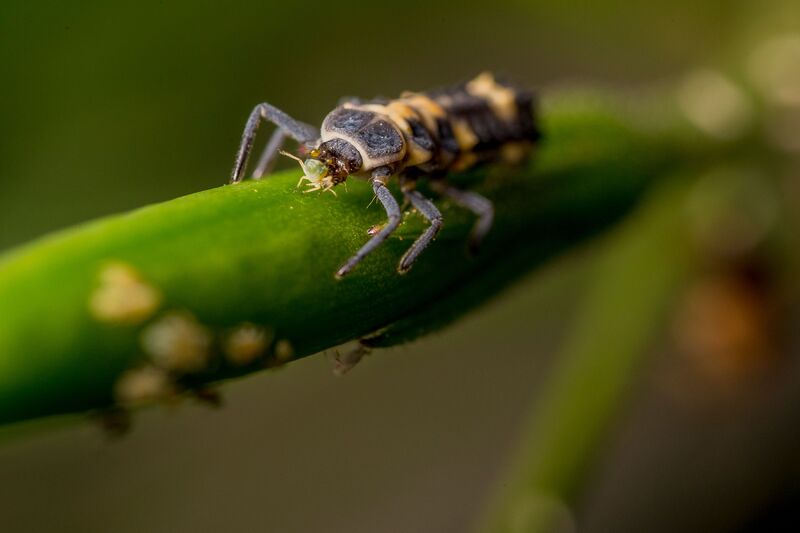
2. How to Get Rid of Aphids Naturally
Start with physical removal and allow beneficial insects to provide additional control.
Small populations may not require pesticide treatment at all, especially when lady beetles, lacewing larvae, flower fly larvae, or parasitic wasps are already present.
Inspect young growth and leaf undersides every few days. Treat only the affected plants rather than spraying the entire garden.
Water Spray Technique
How to get rid of aphids on plants? A strong stream of water from a garden hose can knock aphids from stems and leaves. Many dislodged aphids are unable to return to the plant.
Direct the spray toward the undersides of leaves, where colonies often gather. Support tender stems with one hand and avoid using enough pressure to damage flowers or new growth.
Insecticidal Soap and Neem Oil Spray
Commercial insecticidal soap can control aphids when the spray directly contacts them. It has little or no lasting residue, so complete coverage of stems, leaf undersides, and growing tips is important.
Repeat treatment may be needed because insects missed during the first application can survive.
Apply treatments when beneficial insects and pollinators are less active. Do not spray open flowers or insects that are helping control the infestation.
Homemade Dish Soap Solutions
Homemade dish soap sprays are frequently recommended online, but ordinary dishwashing products are not the same as registered insecticidal soap.
Colorado State University Extension explains that dish detergents may contain fragrances, degreasers, dyes, or other additives that increase the risk of leaf injury. It therefore recommends commercial insecticidal soap rather than homemade mixtures for insect control.
If a household soap mixture is used despite this limitation, test it on one small section of the plant and wait at least 24–48 hours before broader use. Never assume that a stronger mixture will work better. Excess soap can burn leaves, damage waxy surfaces, and stress the plant.
>>> Read more: How to Get Rid of Earwigs: What Attracts Them and How to Stop
3. How to Get Rid of Aphids Permanently?
Aphids cannot always be prevented permanently because winged adults can arrive from nearby plants throughout the growing season. Use the following long-term strategy:
- Remove heavily infested shoots when pruning will not damage the plant.
- Avoid excessive nitrogen fertilizer.
- Wash away small colonies before they spread.
- Encourage predators and parasitoids.
- Control ants that are protecting aphids.
- Remove weeds that serve as alternative hosts.
- Inspect new plants before adding them to the garden or home.
- Use selective products only when necessary.
4. Which Aphid Treatments Work Best?
No single method works best in every situation. The most suitable treatment depends on infestation size, plant sensitivity, and whether beneficial insects are already active.
| Treatment | Best Use | Main Limitation |
|---|---|---|
| Strong water spray | Small colonies on sturdy plants | Must be repeated |
| Pruning | Isolated, heavily infested shoots | Not suitable for widespread growth |
| Insecticidal soap | Exposed aphids on indoor or outdoor plants | Requires direct contact |
| Neem or horticultural oil | Moderate infestations | May injure sensitive plants |
| Beneficial insects | Long-term outdoor suppression | Slower than contact treatments |
| Systemic insecticide | Severe cases on labeled plants | May affect pollinators and other insects |
5. How Can You Prevent Aphids From Coming Back?
Prevention focuses on early detection and preserving natural controls. The following habits can stop small colonies from becoming major infestations.
Inspect Plants Regularly
Check new shoots, buds, stems, and leaf undersides at least once a week during active growth. Look for clusters of insects, curled leaves, white shed skins, sticky honeydew, or ants moving up and down stems.
Early colonies are easier to remove with water or light pruning than large populations spread across several plants.
Encourage Beneficial Insects
Grow a variety of flowering plants that provide nectar and pollen through the growing season.
Dill, fennel, cilantro, calendula, and other flowering plants may attract lacewings, flower flies, lady beetles, and parasitic wasps that feed on or parasitize aphids.
Avoid routine broad-spectrum pesticide spraying, especially when predators or aphid “mummies” are visible.
Control Ants
Ants may defend aphids in exchange for honeydew. Reducing ant access can give beneficial insects a better chance to control the colony.
Use sticky barriers on appropriate trunks or stems, remove branches touching structures, and manage nearby ant nests with a labeled method when necessary. Do not place sticky materials directly on sensitive bark.
>>> Read more: How to Get Rid of Fungus Gnats in Your Home and Houseplants
8. FAQs
Do Aphids Live in the Soil?
Most common aphids live and feed on leaves, stems, roots, or buds rather than freely in soil. However, some root-feeding aphid species live underground and may be harder to notice.
Can Aphids Kill a Healthy Plant?
A small aphid population rarely kills a healthy, established plant. Severe infestations can weaken young plants, distort growth, reduce flowering, and spread plant viruses.
Why Do Aphids Keep Coming Back After Treatment?
They may return because eggs or hidden insects survived, winged adults arrived from another plant, ants protected the colony, or the treatment did not reach leaf undersides.
Are Aphids Harmful to Humans or Pets?
Aphids do not bite or sting people or pets. They are plant-feeding pests, although pesticide products used against them may create risks if labels are not followed.
7. Final Thoughts
The most dependable answer to how to get rid of aphids is to act early and use the least disruptive method that works. A strong spray of water may be enough for a small infestation, while insecticidal soap or neem products can help when populations are larger.