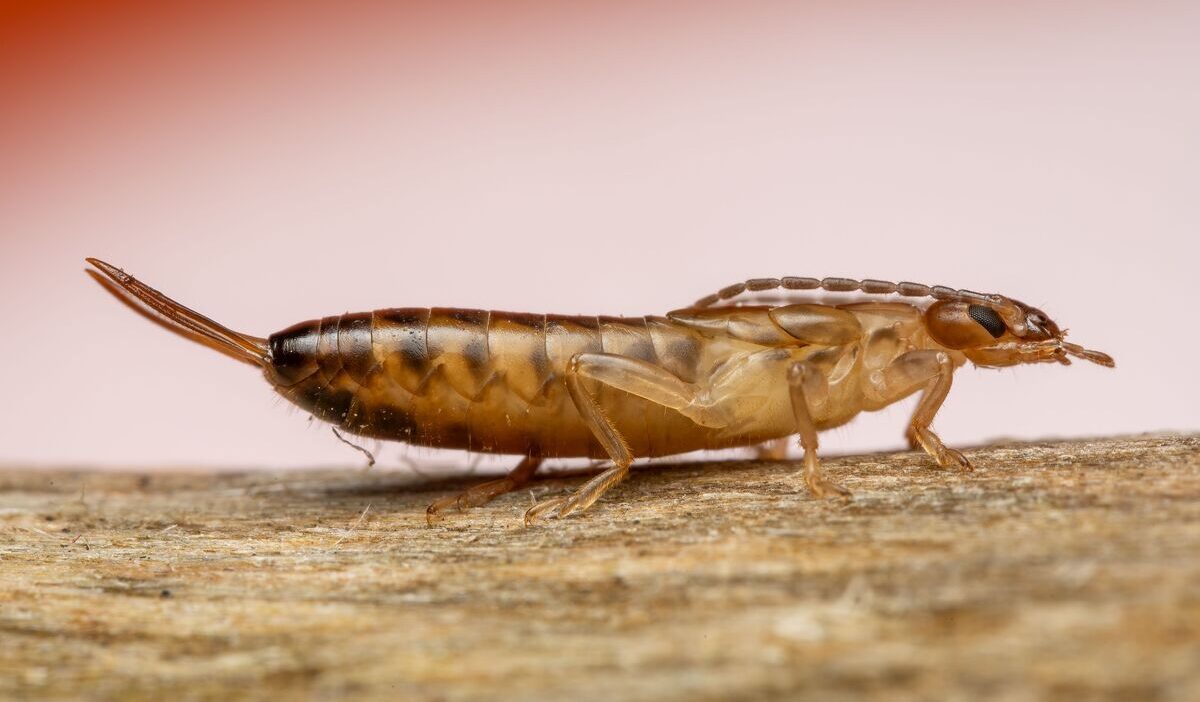
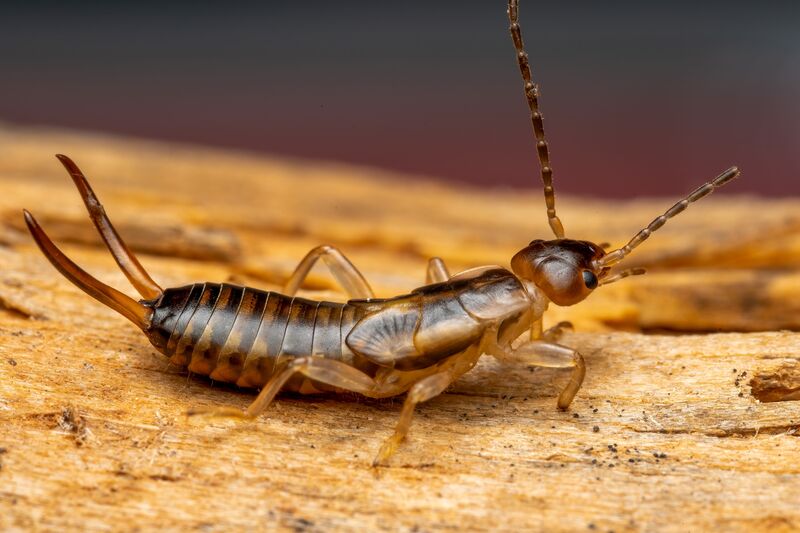
Earwigs are recognizable by the curved pincers at the end of their abdomen. Although their appearance can be alarming, they are mainly nuisance insects and do not crawl into people’s ears.
The most effective approach to how to get rid of earwigs is to reduce moisture and hiding places near the house, remove the insects already indoors, and block their entry routes.
1. Where Should You Look for Earwigs?
Earwigs are nocturnal and spend the day hidden in dark, moist spaces. Indoor sightings are often connected to damp conditions or outdoor harborages located close to the foundation.
Before selecting a control method, inspect the places where moisture, shelter, and entry points overlap.
Bathrooms, Basements and Laundry Rooms
Bathrooms, basements, utility rooms, and laundry areas may provide the cool, humid conditions earwigs prefer. Check around floor drains, washing machines, water heaters, damp boxes, and basement wall edges.
Use a dehumidifier when necessary and improve ventilation in rooms where condensation remains for long periods.
Under Sinks and Near Plumbing
Inspect beneath kitchen and bathroom sinks, around pipe penetrations, and near leaking faucets or drains. Water collecting inside a cabinet can provide both moisture and a protected hiding place.
Remove wet cardboard, repair the leak, and dry the cabinet thoroughly. Seal gaps around pipes after the area has dried and active insects have been removed.
Around Doors, Windows and Foundations
Earwigs may enter through cracks around door frames, window frames, siding, foundations, and the point where siding meets the ground.
Pay particular attention to ground-level entrances because earwigs generally remain close to soil and landscape materials.
Mulch, Firewood and Garden Debris
Outdoor hiding places are often the true source of indoor earwig activity. Earwigs shelter beneath mulch, stones, boards, bricks, plant debris, stacked lumber, pots, and firewood.
Colorado State University Extension notes that earwigs are commonly found beneath rocks, stacked wood, and other debris. Moving these materials away from the building can reduce the number reaching doors and foundation gaps.
>>> Read more: How to Get Rid of Carpenter Ants Before Wood Damage Spreads
2. Which Earwig Control Methods Work Best?
The best results come from moisture reduction, outdoor cleanup, simple trapping, and exclusion. Pesticides should be reserved for persistent activity and applied only according to the label.
How to Get Rid of Earwigs
You should target both the insects indoors and the damp outdoor areas supporting them.
The following methods work best when used together rather than as isolated treatments.
Moisture Control and Deep Cleaning
Begin by fixing leaks, drying wet rooms, and removing damp organic debris. Sweep or vacuum visible earwigs rather than crushing them on walls or flooring.
Clean beneath appliances, storage shelves, utility sinks, and basement boxes. Remove wet leaves, soil, plant debris, or decaying wood from areas touching the foundation.
Simple Traps for Active Areas
Rolled newspapers, corrugated cardboard, or short sections of hose can be placed outdoors in the evening where earwigs are active. The insects may enter these sheltered objects overnight.
Check the traps in the morning and shake the captured earwigs into a bucket of soapy water.
Exterior Barriers and Entry-Point Sealing
Seal cracks around doors, windows, siding, foundations, pipes, and utility lines. Repair damaged screens and install door sweeps where daylight is visible beneath exterior doors.
Targeted Pest-Control Products
When earwig numbers remain high after sanitation and exclusion, a pesticide labeled for earwig control may be applied to approved exterior locations.
Treatment is generally more useful around foundation edges, mulch, refuse areas, lumber piles, and other outdoor harborages than as a broad indoor spray.
Always follow the product label and avoid applying pesticide where children, pets, pollinators, or food may be exposed.
3. How Can You Keep Earwigs From Coming Back?
Prevention completes by making the house and surrounding landscape less suitable for repeated invasion.
The following measures address the most common moisture, shelter, and access problems.
Fix Leaks and Improve Ventilation
Repair dripping pipes, faucets, roof leaks, and drainage problems. Use exhaust fans in bathrooms and laundry areas, and operate a dehumidifier in consistently damp basements.
Move Mulch and Firewood Away From the House
Thin heavy mulch and avoid piling it directly against siding or the foundation. Store firewood, lumber, bricks, and garden materials away from exterior walls.
Remove leaf piles, boards, plant debris, and other ground-level hiding materials. These changes reduce the sheltered spaces earwigs use during the day.
Seal Cracks and Repair Screens
Caulk gaps around foundations, door frames, window frames, siding joints, and utility penetrations. Replace torn screens and worn weather stripping.
Seal ground-level openings first because these are likely routes for earwigs moving from landscape areas into the house.
Reduce Outdoor Hiding Places
Keep vegetation, weeds, and dense ground cover from pressing against exterior walls. Improve drainage and water plants deeply but less frequently so the soil surface has time to dry.
>>> Read more: Spiders in the House? How to Get Rid of Spiders and Keep Them Out
4. FAQs
What Smells Do Earwigs Hate the Most?
There is no household scent proven to eliminate an earwig problem. Peppermint, citrus, vinegar, and essential oils are often promoted as repellents, but results are inconsistent and temporary.
What Are Earwigs a Warning Of?
Repeated indoor sightings can be a warning of excess moisture, plumbing leaks, poor drainage, damp storage, or outdoor debris close to the foundation.
Earwigs do not usually reproduce in large numbers inside a dry home. Finding many live insects indoors suggests that conditions are humid enough for them to survive or that an entry point is located nearby.
What Attracts Earwigs to Houses?
Earwigs are attracted to moisture, shelter, and dark hiding places rather than the house itself. Damp mulch, leaking pipes, wet basements, stacked firewood, leaf debris, and cracks near the foundation can make entry more likely.
5. Final Thoughts
The most dependable strategy for how to get rid of earwigs is to reduce moisture, remove outdoor hiding places, trap active insects, and seal ground-level entry points.
When the home remains damp or large numbers continue entering after repairs, a pest control professional can inspect hidden moisture sources and recommend targeted treatment.