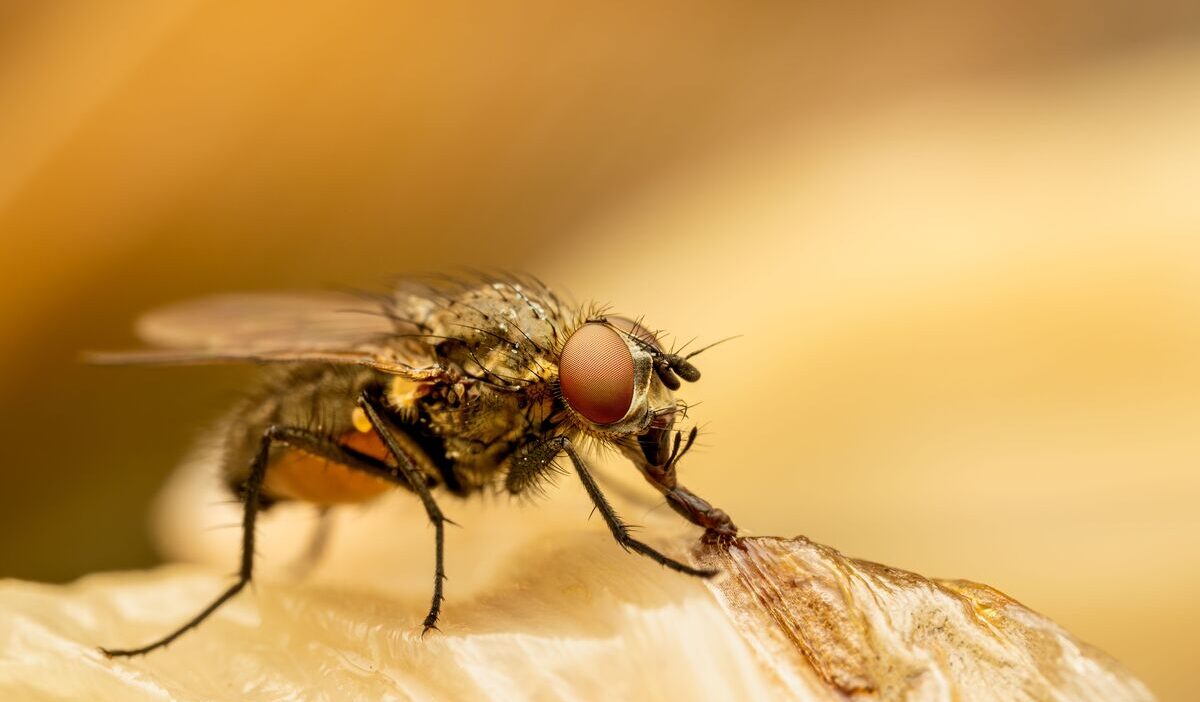
Fruit flies are tiny tan or brown flies that gather around ripe produce, beverage residue, recycling, trash, and other fermenting material. They can complete their development quickly, so killing the visible adults without removing the breeding source usually provides only temporary relief.
How to get rid of fruit flies in house? The most dependable approach is to inspect every possible food and moisture source, discard contaminated material, clean residue thoroughly, and use traps only as a supporting measure. Once the source is removed, the remaining adult population should gradually decline.
1. Where Are Fruit Flies Coming From?
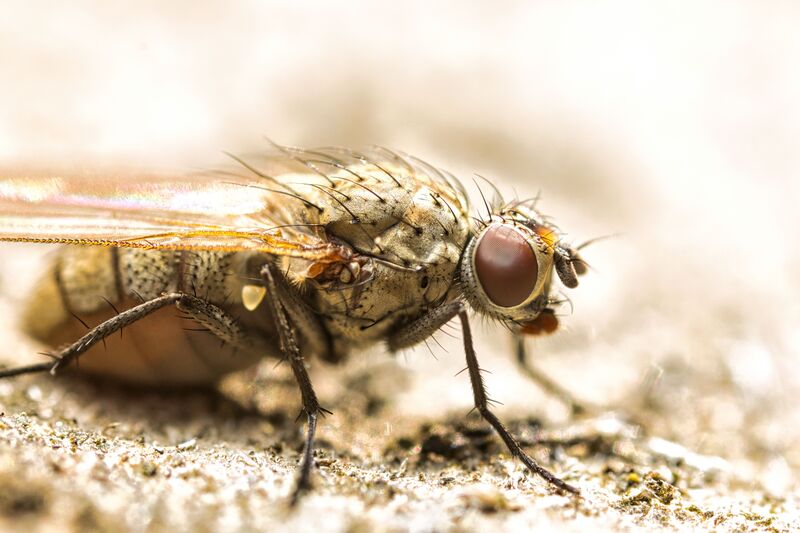
Fruit flies usually develop in overripe fruit or fermenting material. Common sources include bananas, onions, potatoes, tomatoes, beverage containers, stale beer, soft drinks, fruit juice, vinegar residue, compost, garbage, and recycling.
The breeding source may not be on the kitchen counter. Check beneath appliances, inside pantry cabinets, behind trash containers, and anywhere produce may have rolled out of sight. A forgotten potato or leaking beverage container can support repeated generations.
2. How to Get Rid of Fruit Flies in House?
A room-by-room inspection is more reliable than placing one vinegar trap in the kitchen and assuming the problem is solved. How to get rid of fruit flies in your house? Begin where adult activity is strongest and work outward.
In the kitchen, refrigerate ripe produce when appropriate and discard anything leaking, moldy, or fermenting. Inspect onions, potatoes, and fruit stored in cabinets.
Wash counters, clean beneath small appliances, rinse beverage containers, and scrub the trash and recycling cans.
Near the sink, clean the garbage disposal and remove visible food debris from the drain opening. If flies appear to emerge directly from a drain, cover the opening loosely with clear tape overnight, sticky side facing down.
Flies trapped beneath the tape may indicate activity inside the plumbing. This test is also useful for distinguishing drain-associated flies from fruit flies.
In dining and living areas, check cups, snack wrappers, food beneath furniture, flower vases, and forgotten lunch containers. In a home office or bedroom, inspect drink cans, glasses, wastebaskets, and fruit that may have been left in bags.
Laundry rooms and garages may contain recycling, mop buckets, trash, or stored produce. Clean each source instead of treating only the room where the adults gather near a window.
>>> Read more: How to Get Rid of Roaches Overnight Without Making the Infestation Worse
3. Which Fruit Fly Traps Work Best?
Vinegar traps are useful for reducing adult fruit flies, but they work best after the breeding material has been removed.
How to get rid of fruit flies in the house? A simple trap can be made with a small amount of apple cider vinegar in a jar.
Add one drop of unscented dish detergent to reduce surface tension, then place a paper funnel over the opening or leave the container uncovered where children and pets cannot disturb it.
| Trap | Best Use | Limitation |
|---|---|---|
| Apple cider vinegar trap | Capturing adult fruit flies near produce or recycling | Does not kill larvae |
| Red wine trap | Small adult populations | Still requires source removal |
| Commercial fruit fly trap | Convenient monitoring | Attractiveness varies |
| Sticky card | Showing where flies gather | Less attractive without a lure |
| Drain tape test | Confirming whether flies emerge from plumbing | Diagnostic rather than full control |
A trap may collect dozens of adults while hidden fermenting material continues producing more.
4. Small Black Flying Bugs in House Not Fruit Flies: What Could They Be?
Fungus gnats are delicate, dark flies commonly found around houseplants. Their larvae develop in moist potting soil and feed on fungi and decaying material.
Reducing watering and allowing the growing medium to dry more between waterings are important controls.
Drain flies are small, fuzzy, moth-like insects that rest near sinks, showers, or floor drains. Their larvae develop in the bacterial film lining plumbing.
Control requires mechanical scrubbing or an appropriate drain-cleaning product that removes this film.
Humpbacked or phorid flies have a noticeably arched thorax and may be associated with garbage, drains, plumbing leaks, sewer problems, or other decaying organic matter. Persistent activity can indicate a hidden moisture or sanitation issue.
5. Why Do Fruit Flies Keep Coming Back After Cleaning?
Fruit flies usually return because part of the breeding source was missed or recreated.
Common reasons include rinsing the trash can without cleaning beneath the rim, leaving recycling unrinsed, storing overripe produce in a closed cabinet, or cleaning the sink without addressing food buildup in the garbage disposal.
Eggs, larvae, or pupae may also remain after the visible waste is removed. Because the life cycle can be completed quickly, new adults may emerge for several days even when sanitation has improved.
Another possibility is misidentification. If flies remain concentrated around houseplants or plumbing, they may be fungus gnats, drain flies, or phorid flies rather than fruit flies.
>>> Read more: How to Get Rid of Squirrels Without Harming Your Home or Garden?
6. How to Stop Fruit Flies From Returning?
Prevention depends on keeping fermenting food and beverage residue unavailable. The following habits interrupt the breeding cycle before adult numbers increase again.
Store Produce Properly
Refrigerate ripe fruit when suitable and use produce before it begins to break down. Inspect onions, potatoes, tomatoes, and fruit stored in cabinets because forgotten items are easy to miss.
Clean Trash and Recycling Containers
Rinse cans and bottles before storing them for recycling. Wash trash and compost containers, including their lids, rims, handles, and bottoms.
Maintain Drains and Sinks
Remove food debris from sink strainers and garbage disposals. Clean drains mechanically when food residue accumulates rather than repeatedly pouring fragrance or bleach into them.
Clean Spills Immediately
Wipe juice, wine, beer, soda, syrup, and fruit residue promptly. Check beneath appliances and containers where liquid may spread unnoticed.
7. Final thoughts
So, how to get rid of fruit flies in house? Find what the larvae are feeding on. Overripe produce, beverage residue, trash, recycling, compost, and hidden food spills are more important than the adult flies around the window.
Remove the source first, clean every affected container and surface, and use vinegar traps to catch the adults that remain. When small flies continue appearing, confirm that they are actually fruit flies rather than fungus gnats, drain flies, or phorid flies.