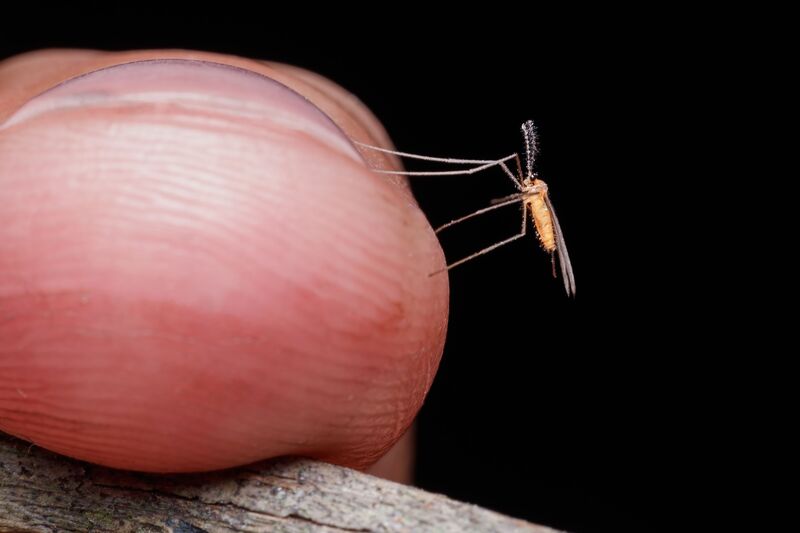
Tiny flying insects around sinks, houseplants, fruit bowls, or trash cans are often grouped together as “gnats,” but they may actually be fungus gnats, fruit flies, drain flies, or another small fly. Treating the wrong source is one of the biggest reasons an infestation keeps returning.
How to get rid of gnats in the house quickly? Identify where the adults are gathering and what material their larvae are developing in. Fungus gnats usually come from damp potting soil, fruit flies from fermenting food, and drain flies from organic film inside plumbing. Once the breeding source is removed, traps and targeted treatments become much more effective.
1. How to Figure Out Where Gnats Are Coming From?
Start by observing where the insects spend most of their time instead of spraying every room.
If they hover around houseplants and crawl across the soil surface, fungus gnats are likely. Their larvae live mainly in the upper few inches of moist potting mix and feed on fungi, algae, and decaying plant material.
If the flies gather near bananas, onions, recycling, wine bottles, or fermenting food, they may be fruit flies. Colorado State University Extension notes that small fruit flies commonly breed in overripe fruit and beverage residue.
Flies that rest near sinks, showers, or floor drains may be drain flies or humpbacked flies. These species can develop in bacterial film, trapped food, or moisture inside plumbing.
>>> Read more: How to Get Rid of Roaches Overnight Without Making the Infestation Worse
2. How to Get Rid of Gnats in the House Quickly
How do you get rid of gnats in 5 minutes? You can reduce visible adults almost immediately, but eliminating the breeding population takes longer.
A five-minute response should focus on catching adults and identifying the source rather than promising complete eradication.
Sticky Traps
What kills gnats inside a home? Yellow sticky cards are especially effective for monitoring fungus gnats around houseplants. Place them close to the soil surface or beneath the plant canopy.
Adult fungus gnats are attracted to yellow sticky cards, which can reduce the number of females available to lay eggs. However, traps do not kill larvae already developing in the potting mix.
Vinegar-Based Traps
Apple cider vinegar works better for fruit flies than for fungus gnats.
Pour a small amount into a jar and use a paper funnel or similar cover to trap adults. Cider vinegar and red wine among effective attractants for small fruit flies.
Source Cleaning
Source removal often produces the biggest improvement.
For fruit flies, discard overripe produce, rinse recycling, clean beverage residue, and wash trash containers.
For drain-associated flies, scrub the inside surfaces of the drain rather than simply pouring hot water down it. Mechanical scrubbing and enzyme-type drain cleaners are more useful for removing the bacterial film supporting drain flies than hot water alone.
Targeted Treatments
When fungus gnats continue after watering changes, treatments aimed at larvae may be appropriate.
Bacillus thuringiensis subsp. israelensis, or Bti, can kill fungus gnat larvae when applied to the growing medium in a product labeled for that purpose. Certain beneficial nematodes may also control larvae.
Adult contact sprays provide only short-term reduction because they do not reach larvae.
3. How to Keep the House Gnat-Free After Treatment?
Once adult numbers fall, prevention depends on keeping moisture, food, and organic debris under control.
For houseplants, allow the upper soil layer to dry as much as the plant can tolerate. Colorado State University Extension recommends letting the top one to two inches of growing medium dry between waterings to reduce egg and larval survival.
Empty water from saucers and decorative pots, and make sure containers drain properly. University of Minnesota Extension notes that overwatering and poor drainage encourage fungus gnats.
In kitchens, refrigerate ripe produce when appropriate, clean spills immediately, and rinse cans or bottles before recycling. Remove household garbage regularly rather than allowing moist food waste to sit for days.
>>> Read more: How to Get Rid of Fruit Flies in House by Finding the Source First
4. FAQs
Why Are Gnats Worse at Night?
It depends on the species. Fungus gnats may appear more noticeable near indoor lights and windows, while other small flies respond differently to temperature, light, and humidity.
A sudden evening increase does not necessarily mean the insects reproduce only at night. Their breeding source, such as potting soil, fruit, or drain buildup, usually matters more than the time of day.
Can Gnats Breed in Unopened Potting Soil?
They can sometimes develop in stored potting mix if the bag contains moisture and organic material or has been exposed to insects before storage.
Do Gnats Lay Eggs in Kitchen Trash?
Some small flies can. Fruit flies and other flies may breed in moist garbage, fermenting food residue, or organic waste.
Can Gnats Come Through Window Screens?
Yes, very small flying insects can sometimes enter through gaps around screens or doors. However, fungus gnats frequently seen near windows may actually have emerged from houseplant soil elsewhere in the room and simply moved toward the light.
5. Final Thoughts
So, how to get rid of gnats in the house quickly? Identify the source before choosing a treatment. Fungus gnats require soil moisture control, fruit flies require removal of fermenting food, and drain flies require cleaning the organic film inside plumbing.
Sticky cards, vinegar traps, vacuuming, and targeted treatments can reduce adult numbers, but lasting control depends on eliminating where the larvae are developing.