
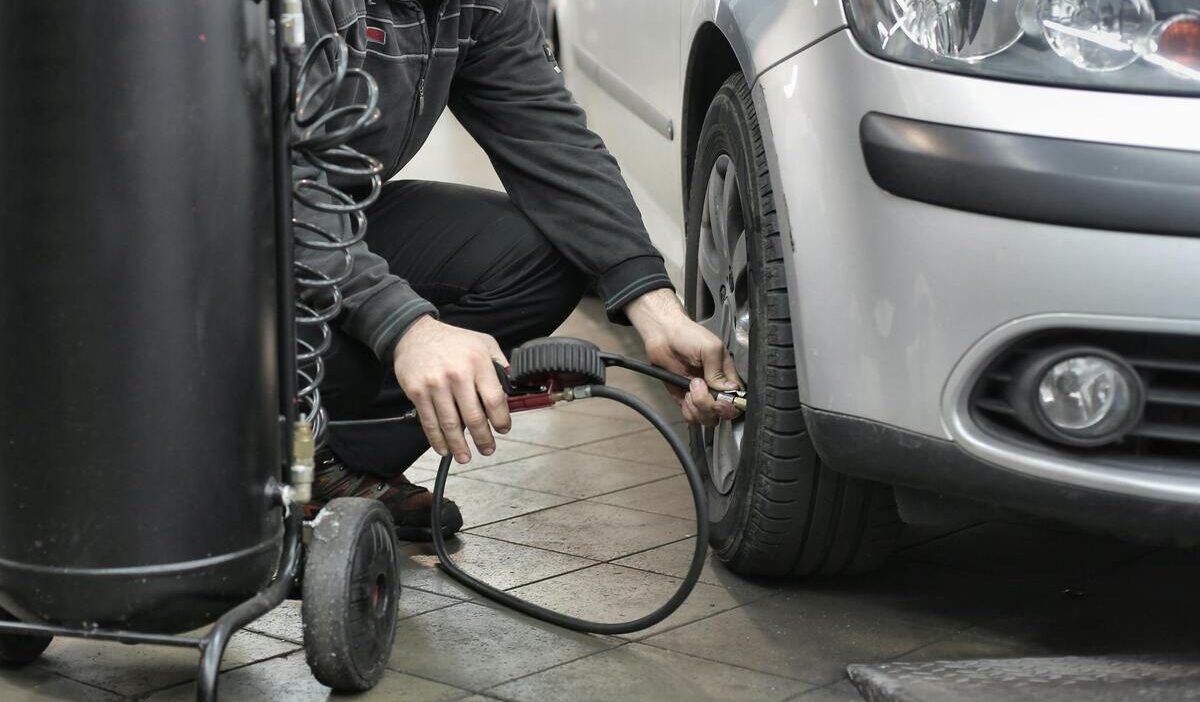
Tires are one of the most important safety parts on any vehicle, but they are also one of the easiest to ignore until a problem appears.
Many drivers only think about tire replacement when tread looks worn or a flat happens unexpectedly. That is why so many people ask how long do tires last before issues begin.
The truth is that tire life is not determined by mileage alone. Time, climate, maintenance, road conditions, and driving style all influence how quickly tires age. A vehicle driven gently on highways may keep its tires far longer than a car used daily in stop-and-go traffic or extreme weather.
So, how long do car tires last?
How Long Do Tires Last on Average?
When people ask how long do tires last, they usually expect a single number. In reality, there are two measurements that matter most: miles driven and years of use.
For many passenger vehicles, tires often last between 40,000 and 60,000 miles under normal conditions. Some premium touring tires may exceed that range, while performance tires can wear sooner because they are designed for grip rather than longevity.
Time also matters. Even if tread still looks usable, many tires begin aging after several years due to heat, oxygen exposure, and changing weather conditions.
Safety organizations such as National Highway Traffic Safety Administration encourage regular tire inspection because age-related wear is not always obvious at first glance.
How Long Do Tires Last With Low Mileage
Drivers replacing an old set often wonder how long do new tires last once installed.
New tires usually perform best in their early years because rubber remains flexible and tread depth is at maximum. Under balanced driving conditions, many new tires can deliver 50,000 miles or more, depending on brand, type, and maintenance habits.
However, new tires can wear faster than expected if they are neglected. Common causes include:
- Incorrect tire pressure
- Poor wheel alignment
- Aggressive acceleration or hard braking
- Skipping tire rotations
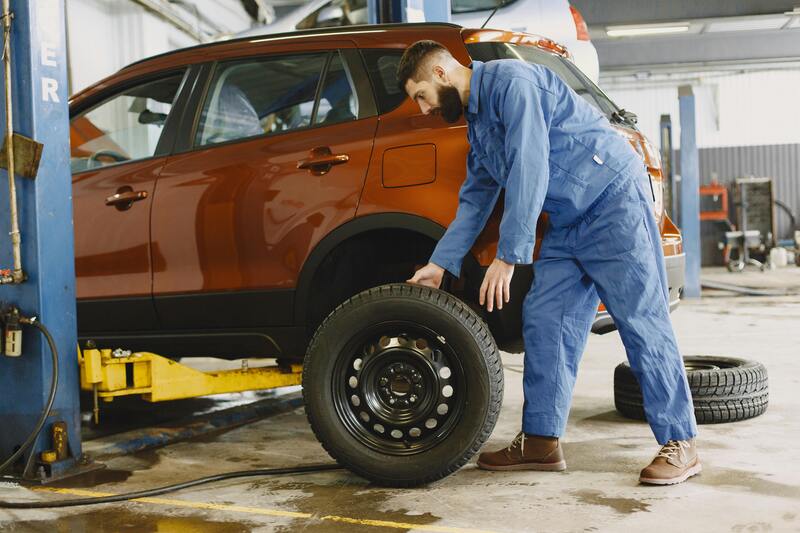
How Long Do Tires Last With Low Mileage
Some people assume tires last almost indefinitely if the car is rarely driven. This leads to another common question: how long do tires last with low mileage?
Low mileage can preserve tread, but it does not stop rubber aging. Tires on cars that sit unused for long periods may still develop issues such as:
- Sidewall cracking
- Flat spots from sitting too long
- Dry rubber with reduced grip
- Internal aging not visible outside
A vehicle driven only occasionally may still need new tires after several years even if the tread appears deep.
>>> Read more: Need Gas or Snacks? What Gas Stations Accept EBT Near Me
Signs It’s Time to Replace Your Tires
Even with general estimates, the safest way to judge tire condition is to watch for warning signs. Drivers who understand these signals often replace tires before larger problems develop.
One of the clearest indicators is worn tread. As tread depth decreases, traction on wet roads becomes weaker and stopping distances may increase. Many drivers first notice this during rain, when tires no longer feel stable.
Cracks in the sidewall are another sign of aging rubber. These small splits can appear gradually and often indicate that the tire is drying out.
You may also notice vibration while driving. Sometimes vibration comes from balancing issues, but it can also signal uneven wear or internal tire damage.
Other common warnings include:
- Frequent pressure loss
- Bulges in the sidewall
- Uneven wear across the tread
- Increased road noise
- Reduced grip during braking
What Shortens Tire Lifespan the Most?
Many tires wear out early not because of manufacturing defects, but because of preventable habits. Understanding these factors matters more than chasing a brand name alone.
Driving style
Aggressive driving is one of the fastest ways to shorten tire life. Hard acceleration, sudden braking, and sharp cornering place extra stress on tread surfaces.
Over time, that friction removes rubber much faster than smooth driving.
Tire pressure neglect
Driving on underinflated tires creates excess heat and causes the outer edges to wear faster. Overinflated tires often wear more in the center. Either condition reduces lifespan and can affect handling.
Poor alignment
If the wheels are not aligned correctly, the tire may drag slightly rather than roll evenly. This often creates one-sided wear patterns that can ruin a tire long before the tread should be gone.
Road conditions
Potholes, rough pavement, debris, and damaged roads can shorten tire life significantly. Repeated impacts may damage both tread and internal structure.
Climate and storage
Hot climates accelerate rubber aging, while prolonged sun exposure can dry the tire surface. Cars stored outside year-round may see faster aging than garage-kept vehicles.
Final Thoughts
There is no universal timeline for tire replacement because every vehicle faces different conditions. A car driven for long highway distances in mild weather often maintains its integrity much longer than one used daily in heavy traffic, on rough streets, or in extreme temperatures.
Because variables range so widely, asking how long do tires last serves best as a starting point rather than a definitive answer.
While mileage estimates provide general guidance, regular physical inspections tell the real story. Tread depth, visible wear patterns, and ride quality often reveal more about a tire’s health than the odometer alone.
Drivers who monitor pressure, rotate tires on schedule, and address alignment issues early generally see better longevity and safer performance. Ultimately, the goal is to use those estimated lifespans to inform a proactive maintenance routine that ensures every mile remains safe.