How long does a tan last? A tan can come from ultraviolet exposure or from a sunless tanning product, but those methods do not create color in the same way.
A sun tan develops when the skin produces more melanin in response to UV radiation. A spray tan, meanwhile, colors only the skin’s outer surface through a reaction involving dihydroxyacetone, commonly called DHA.
1. How Long Does a Tan Last?
Most tans remain visible for several days to a few weeks. A spray tan commonly looks its best for about five to ten days.
While a tan caused by sun exposure may remain noticeable for roughly one to three weeks as pigmented skin cells gradually move toward the surface and shed.
| Type of Tan | Typical Visible Duration | Typical Visible Duration |
|---|---|---|
| Natural tan from outdoor UV exposure | About 1–3 weeks | Gradually fades with skin renewal |
| Sun tan from deliberate sun exposure | About 1–3 weeks | Becomes lighter and less even over time |
| Spray tan | About 5–10 days | Fades as surface skin cells shed |
| Self-tanning lotion or mousse | Several days to about 1 week | Gradually wears away from the outer skin |
| Repeated or deeper UV tan | May remain visible longer | Often fades unevenly across the body |
2. Does the Type of Tan Change How Long It Lasts?
Yes. UV tanning changes pigmentation within living skin, whereas spray tans and self-tanners create temporary color on the outermost layer.
How Long Does a Natural Tan Last?
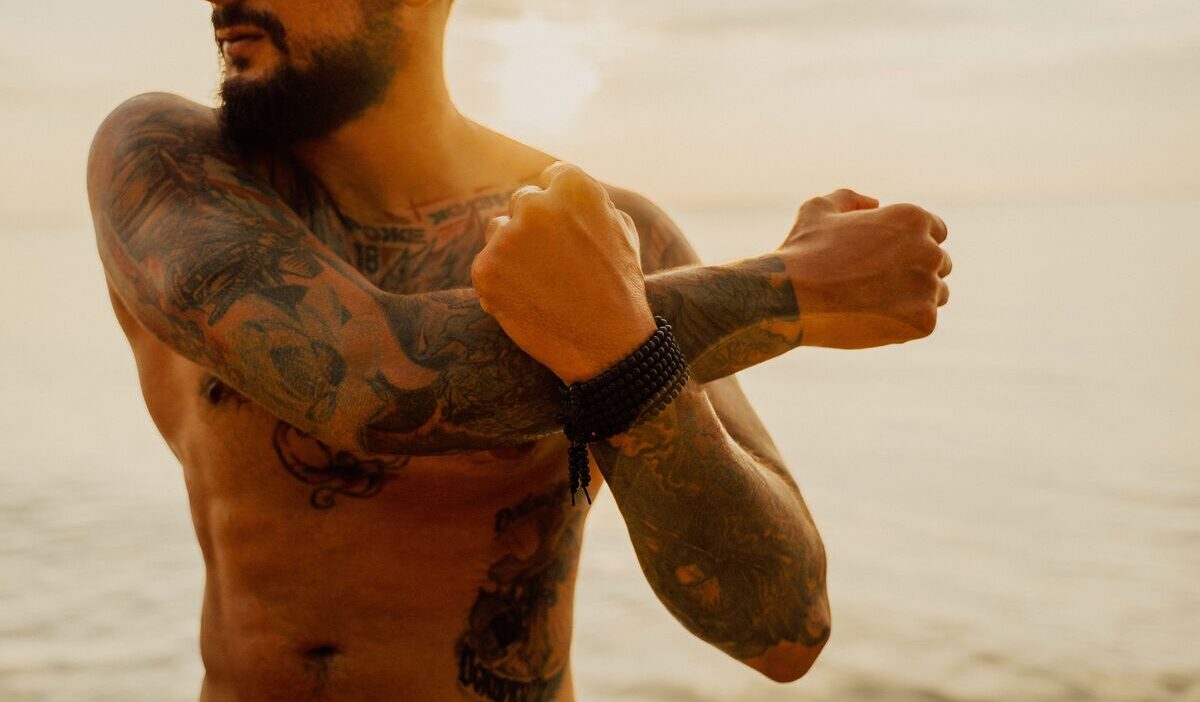
The phrase “natural tan” usually refers to color developed from ordinary outdoor exposure rather than a tanning product.
A mild outdoor tan may remain noticeable for approximately one to two weeks. A darker tan developed through repeated exposure may take three weeks or longer to fade completely.
Body area also matters. A tan may disappear faster from the face and hands because these areas are washed, exfoliated, and exposed to environmental conditions more frequently. Color on the torso or legs may remain visible longer.
A natural tan should not be viewed as a sign that skin has adapted safely to sunlight. Tanning is a response to UV injury, and additional exposure continues to increase the risk of premature skin aging and skin cancer.
How Long Does a Sun Tan Last?
realistic estimate is around one to three weeks. The final duration depends on:
- How much UV exposure occurred
- The depth and darkness of the tan
- Natural skin turnover
- Skin tone
- Exfoliation habits
- Whether additional exposure continues
A sun tan normally fades gradually. It may first become lighter on areas that experience more friction, such as the shoulders, elbows, knees, and waistline.
Trying to maintain the color through repeated unprotected UV exposure is not a safe preservation method.
How Long Does a Spray Tan Last?
For most people, the useful range is approximately five to ten days.
Spray tanning solutions usually contain DHA, which reacts with amino acids in surface skin cells to create temporary color. Since the reaction occurs near the outer layer rather than increasing melanin, the color fades as those cells naturally shed.
A professionally applied spray tan may begin developing within a few hours and continue becoming darker over the following day or longer.
Spray tans create the appearance of a tan but do not usually provide meaningful protection from UV radiation. Sunscreen is still necessary outdoors.
Which Type of Tan Lasts the Longest?
A deeper UV-induced tan may remain visible longer than a spray tan because pigmentation develops within the skin rather than sitting only on the surface. However, that does not make UV tanning the better option.
UV exposure damages skin cells and contributes to wrinkles, uneven pigmentation, precancerous growths, and skin cancer.
A sunless product gives temporary color without requiring UV exposure, although spray application should still be handled carefully to avoid inhaling the product or exposing the eyes and mucous membranes.
>>> Read more: How Long Do Lash Extensions Last? Beauty Tips That You Need
3. Why Do Some Tans Fade Faster Than Others?
Several interacting factors explain why one person’s tan lasts two weeks while another person’s color fades within days.
Skin turnover is one of the biggest influences. As older cells are shed and replaced, both surface color and visible pigmentation gradually become less noticeable.
Exfoliation speeds up that process. Body scrubs, exfoliating gloves, shaving, retinoids, and acid-based skincare products can remove colored surface cells faster, particularly after a spray tan.
Water exposure also matters. Long baths, hot showers, swimming, and repeated time in chlorinated water may make temporary color fade sooner.
Dry skin can produce uneven fading. When the skin becomes flaky, small areas of color may disappear before others.
4. How Can You Make a Tan Last Longer?
The safest approach depends on the type of tan. A UV tan should not be prolonged through additional unprotected sun exposure.
Instead, focus on protecting the skin while letting the pigmentation fade naturally.
For a spray tan or self-tanner:
- Exfoliate gently before application rather than afterward.
- Apply the product to clean, dry skin.
- Follow the recommended development time before showering.
- Use lukewarm rather than very hot water.
- Pat the skin dry instead of rubbing it.
- Moisturize regularly with a gentle product.
- Avoid aggressive scrubs and exfoliating acids.
- Limit prolonged swimming when possible.
- Shave carefully because shaving also removes surface cells.
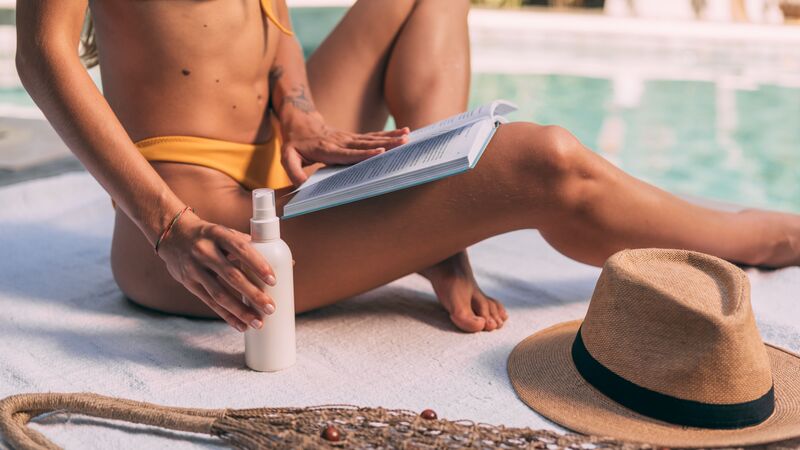
For any type of tan, use broad-spectrum, water-resistant sunscreen with an SPF of at least 30 when outdoors. A tan does not prevent sunburn or protect against cumulative UV damage.
5. Can You Remove a Tan Faster If You Want To?
A spray tan can usually be faded faster through gentle exfoliation, warm bathing, and normal washing. However, scrubbing aggressively may cause redness, dryness, or patchy color without removing the entire tan evenly.
For a sun tan, there is no safe instant-removal method. The pigmentation gradually fades as the skin renews itself. Avoid bleaching products, harsh acids, and unverified remedies that could irritate or injure the skin.
Gentle options include:
- Moisturizing consistently
- Using a mild exfoliating cleanser occasionally
- Avoiding further tanning
- Applying sunscreen to prevent additional darkening
- Allowing time for normal skin turnover
>>> Read more: How Long Do Spray Tans Last? What Affects the Results and How to Make Them Last Longer
6. Conclusion
So, how long does a tan last? Spray tans usually remain visible for approximately five to ten days, while natural and deliberate sun tans may take one to three weeks or longer to fade.
Skin turnover ultimately determines when every tan fades. Gentle care, regular moisturizing, less friction, and limited exfoliation may help color disappear more evenly without compromising skin health.