

Flour is one of the most common pantry staples, and also one of the most misunderstood when it comes to shelf life.
Many people assume it lasts forever because it’s dry, while others throw it out too early. The truth sits somewhere in the middle.
If you’ve been wondering “How long does flour last?”, the answer depends heavily on the type of flour, storage conditions, and whether the package has been opened.
This guide breaks down realistic timelines and the subtle signs that flour is past its prime.
How Long Does Flour Last?
Because flour is low in moisture, it doesn’t spoil quickly like fresh foods. However, it does gradually lose quality and can eventually go rancid or become infested if stored improperly.
The average lifespan of common flours
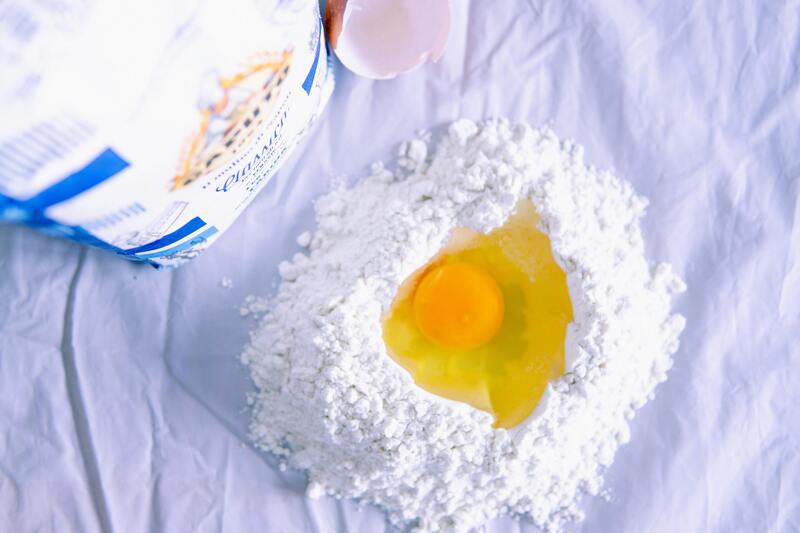
Here are typical storage timelines under cool, dry conditions:
All-purpose flour
- Pantry (unopened): 6–12 months
- Pantry (opened): about 6–8 months
- Refrigerated: up to 1 year
- Frozen: up to 2 years
Whole wheat flour
- Pantry: 3–6 months
- Refrigerated: up to 6–8 months
- Frozen: up to 1 year
Whole-grain flours have shorter shelf lives because of their higher oil content.
These differences are key when estimating how long does flour last in your kitchen.
How Long Does Almond Flour Last?
Nut-based flours behave very differently from wheat flour. If you’re specifically asking, “How long does almond flour last?”, the timeline is shorter because of the natural oils in almonds.
Typical almond flour lifespan:
- Pantry (cool, unopened): about 2–4 months
- Refrigerated: 6–12 months
- Frozen: up to 1–2 years
Because it contains healthy fats, almond flour can go rancid much faster if left at room temperature.
Best practice: Store almond flour in the refrigerator after opening to maximize freshness.
Why does flour not spoil like meat or dairy
One reason people misjudge “How long does flour last” is that flour rarely “spoils” in the dramatic way perishable foods do.
Flour lasts longer because it has:
- Very low moisture
- Limited protein activity
- Reduced bacterial growth potential
- Stable dry structure
However, while flour is resistant to bacterial spoilage, it is still vulnerable to oxidation, rancidity, and pests over time.
>>> Read more: How Long Does Cheesecake Last in the Fridge? Freshness Timeline & Storage Guide
What Actually Goes Bad in Flour Over Time
Flour doesn’t usually become dangerous overnight; it declines gradually.
Three main processes affect how long does flour last:
- Fat oxidation (rancidity)
Whole-grain and nut flours contain natural oils that slowly break down when exposed to air, light, and warmth. This process produces a stale, paint-like, or bitter smell.
Rancidity doesn’t always make flour unsafe immediately, but it significantly impacts flavor and baking performance, especially in delicate recipes like cakes and pastries.
- Moisture absorption
Flour is highly absorbent. In humid kitchens or loosely sealed bags, it can pull moisture from the air. This leads to clumping, reduced flow, and, in more severe cases, conditions that allow mold to develop.
Even before mold appears, excess moisture can shorten how long does flour last by accelerating quality loss.
- Pantry pests
Flour can become infested with weevils or larvae if not stored in sealed containers. These changes often happen slowly, which is why old flour sometimes sits unnoticed in the pantry.
How to Tell If Flour Is Too Old to Use
Because flour looks fairly similar over time, you need to rely on your senses.
Signs flour is still good:
- Neutral or slightly wheaty smell
- Fine, powdery texture
- No visible insects
Warning signs to discard:
- Sour, musty, or paint-like odor
- Bitter taste
- Clumping from moisture
- Visible bugs or webbing
- Yellowing or discoloration
When evaluating “How long does flour last?”, smell is often the most reliable quick test.
Does Old Flour Make You Sick?
In many cases, slightly old flour simply produces poor baking results rather than illness. However, there are situations where using very old or contaminated flour may cause problems.
Possible risks include:
- Rancid oils causing unpleasant taste
- Mold exposure if flour became damp
- Digestive upset from insect contamination
Most healthy adults experience only mild symptoms, if any. However, it’s best not to push the limits of how long does flour last, especially for nut-based flours.
If flour shows clear spoilage signs, discard it rather than trying to salvage it.
>>> Read more: How Long Does Rice Last in the Fridge? Storage Time, Safety & Leftover Tips
FAQs – How Long Does Flour Last?
Can flour last for years?
Yes, especially white flour stored in airtight conditions in the freezer. However, pantry-stored flour typically does not maintain its best quality for multiple years. Storage conditions strongly affect how long does flour last.
Is expired flour safe to bake with?
Often, yes, if it smells normal and shows no signs of spoilage. The “best by” date mainly reflects quality. Still, always check the smell and texture before using older flour.
Why does my flour smell weird?
A sour, musty, or oily smell usually indicates rancidity or moisture exposure. This is a clear sign the flour is past its useful life.
Should almond flour always be refrigerated?
For best freshness, yes. Because of its oil content, refrigeration significantly extends “How long does almond flour last” after opening.
Can bugs in flour make you sick?
Most pantry weevils are not harmful if accidentally consumed, but heavily infested flour should be discarded for quality and safety reasons.
How do professional bakers store large amounts of flour?
Commercial kitchens typically use:
- Cool, dry storage rooms
Food-grade airtight bins - First-in, first-out rotation systems
- Sometimes, refrigerated storage for specialty flours
These practices help maximize “How long does flour last” at scale.
Final Thoughts
Flour may seem like a forever pantry staple, but its quality gradually declines over time. Understanding “How long does flour last”, especially for whole grain and nut-based varieties, helps you avoid stale baking results and unnecessary waste.
Quick recap:
- White flour: up to 12 months in the pantry
- Whole wheat: shorter shelf life due to natural oils
- Almond flour: best stored refrigerated
- Always check the smell before baking
- Use airtight containers for maximum freshness
With proper storage habits, most flours stay usable far longer than many home bakers expect. For more practical shelf-life guides and everyday food storage insights, you can explore additional resources on Varga Bar, where we regularly break down how long common foods really last and how to store them safely.