
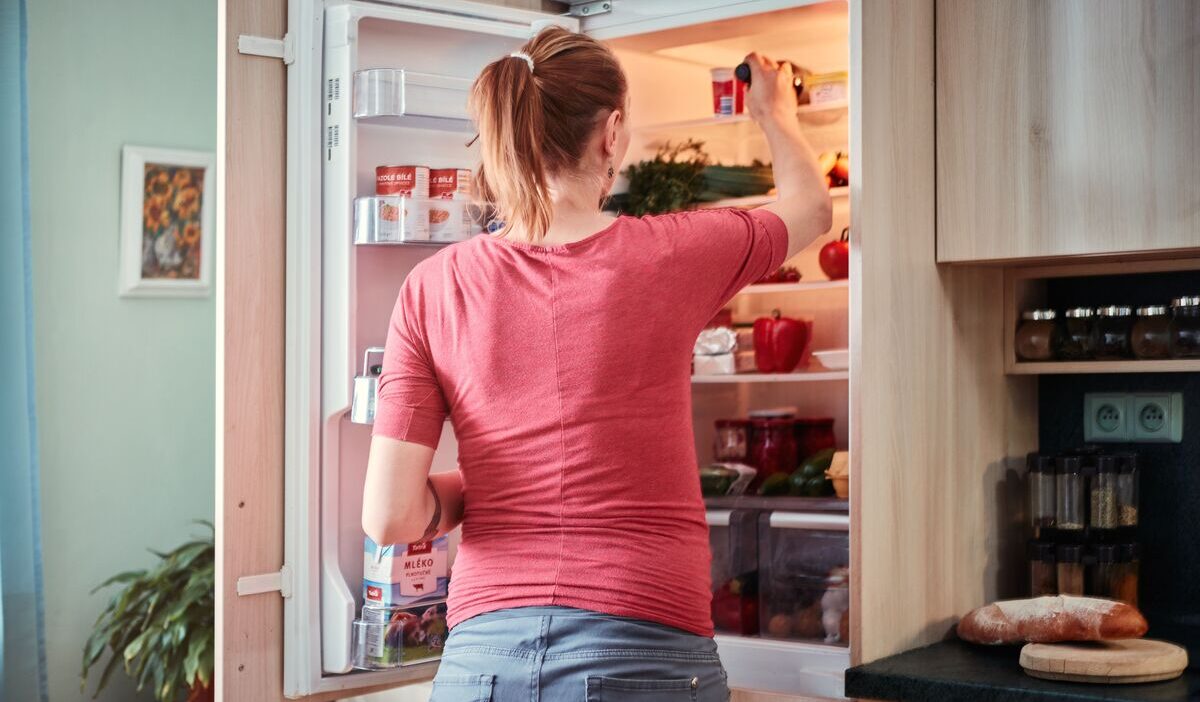
A power outage does not make refrigerated food unsafe immediately, but the safety window is shorter than many people assume.
Understanding how long will food last in refrigerator without power can prevent both foodborne illness and unnecessary waste. The outage duration matters, but so do refrigerator temperature, door openings, food type, and whether ice or a cooler was used.
1. How Long Will Food Last in Refrigerator Without Power?
In general, refrigerated food remains safe for about four hours during a power outage when the refrigerator door stays closed.
After four hours, discard temperature-sensitive foods such as milk, eggs, meat, seafood, leftovers, and cut produce unless they were transferred to ice or remained at 40°F or below.
| Situation | General Safety Guidance |
|---|---|
| Power out for under 4 hours | Most refrigerated food should remain safe if the door stays closed |
| Power out for over 4 hours | Evaluate perishable foods carefully and discard unsafe items |
| Food above 40°F for over 2 hours | Discard most perishable refrigerated products |
| Food kept in a cooler at 40°F or below | It may remain safe while properly chilled |
| No reliable time or temperature information | When in doubt, throw it out |
How Long Will Milk Last in the Fridge Without Power?
Milk should generally be discarded once the refrigerator has been without power for more than four hours, unless you know it remained at 40°F or below.
How Long Do Eggs Stay Good in the Fridge Without Power?
Fresh shell eggs, hard-cooked eggs, egg dishes, and refrigerated egg products should be discarded after more than four hours without refrigeration.
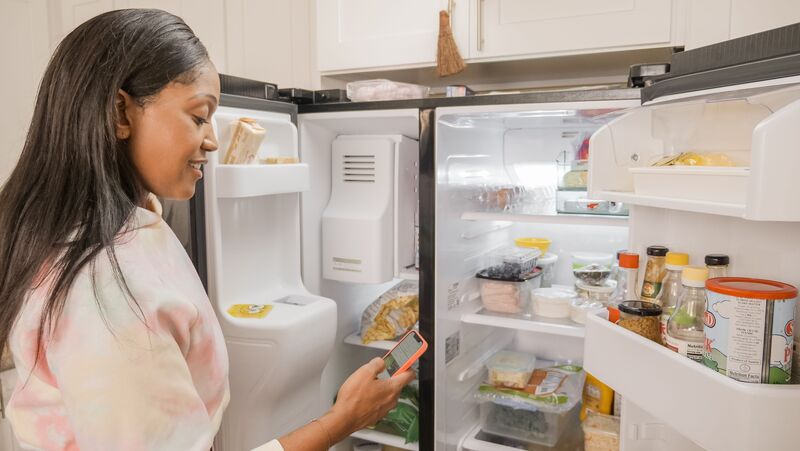
2. What Foods Spoil Fastest During a Power Outage?
High-moisture, protein-rich, cooked, and ready-to-eat foods are generally among the most temperature-sensitive.
Milk and Other Dairy Products
Milk, cream, yogurt, sour cream, soft cheese, shredded cheese, and creamy dressings are perishable and should not be kept after unsafe temperature exposure.
Raw Meat, Poultry, and Seafood
Raw or cooked meat, poultry, fish, seafood, sausage, bacon, lunch meat, hot dogs, and opened canned meat should be discarded after prolonged loss of refrigeration.
These foods support rapid bacterial growth when held above safe refrigeration temperatures. Never taste them to decide whether they are still usable.
Deli Meats, Prepared Foods, and Leftovers
Leftovers, pizza, casseroles, soups, stews, gravy, stuffing, and prepared salads should be treated as high-risk foods.
Cooked pasta, rice, potatoes, deli salads, and refrigerated dough should also be discarded after unsafe temperature exposure. Their cooked appearance does not protect them from bacterial growth after refrigeration is lost.
Cut Fruits and Vegetables
Whole fruits and many whole vegetables can usually be kept, but cut produce should be discarded if it has remained above 40°F for more than two hours.
Precut greens, sliced fruit, cooked vegetables, opened vegetable juice, tofu, baked potatoes, and commercially prepared garlic in oil are also listed for disposal.
3. Which Foods Are Usually Safe Longer Than People Expect?
Not everything in the refrigerator must automatically be discarded. The official outage chart identifies several foods that are generally more stable. Items that can often be kept include:
- Butter and margarine
- Hard cheeses such as cheddar, Parmesan, Swiss, and provolone
- Processed cheese
- Whole, uncut fruits and vegetables
- Peanut butter
- Jelly, mustard, ketchup, relish, olives, and pickles
- Soy, barbecue, Worcestershire, and hoisin sauces
- Vinegar-based dressings
- Bread, rolls, muffins, tortillas, and cakes without cream fillings
- Dried fruit, raisins, and dates
>>> Read more: How Long Does Shrimp Last in the Fridge? Safe Storage for Raw and Cooked Shrimp
4. How to Decide Whether Food Is Safe After Power Returns?
Do not judge food only by appearance, smell, or whether it still feels somewhat cool.
Use the outage duration and a thermometer whenever possible. Follow this process:
- Confirm how long the electricity was off.
- Check the refrigerator thermometer before opening the door.
- Identify foods that require refrigeration.
- Discard perishables after more than four hours without safe cooling.
- Discard foods held above 40°F for more than two hours.
- Consult the FoodSafety.gov item-by-item outage chart.
- Never taste questionable food to test its safety.
5. FAQs
Does Opening the Refrigerator Once or Twice Make a Big Difference?
Opening the door releases cold air and can shorten the four-hour safety window. One brief opening may not immediately ruin the food, but repeated or prolonged openings make the refrigerator warm faster.
Is Food Still Safe if It Feels Cold but the Power Was Out for Many Hours?
Not necessarily. Touch is not an accurate way to confirm that food stayed at 40°F or below. If the power was out for more than four hours and you do not have a reliable temperature reading, discard perishable foods such as meat, milk, eggs, seafood, leftovers, and cut produce.
Should Condiments Be Discarded After a Prolonged Outage?
It depends on the condiment. Mustard, ketchup, relish, olives, pickles, soy sauce, barbecue sauce, and vinegar-based dressings can generally be kept. Creamy dressings, opened spaghetti sauce, fish sauce, oyster sauce, and some mayonnaise-based products may need to be discarded depending on temperature and exposure time.
>>> Read more: How Long Does Sushi Last in the Fridge? A Sushi Clock Guide
6. Conclusion
So, how long will food last in refrigerator without power? The general answer is up to four hours when the refrigerator remains closed. After that, temperature-sensitive food should be discarded unless it was kept at 40°F or below with ice or another reliable cooling method.
Milk, eggs, meat, seafood, prepared dishes, leftovers, and cut produce require the most caution. Hard cheese, butter, whole produce, bread, pickles, mustard, and several other foods may remain safe longer.