
Mounds in the grass, ant trails across the patio, and stings while mowing can make a yard feel off limits. This guide explains how to get rid of ants in yard areas safely, using baits and targeted treatments that protect your lawn.
1. Are Ants in Your Yard Harmful or Just a Nuisance?
Most yard ants are harmless, but a few species cause real trouble. Identifying yours decides whether treatment is worth the effort. These are the problems to watch for:
- Fire ants: Their stings are painful and leave pustules on the skin.
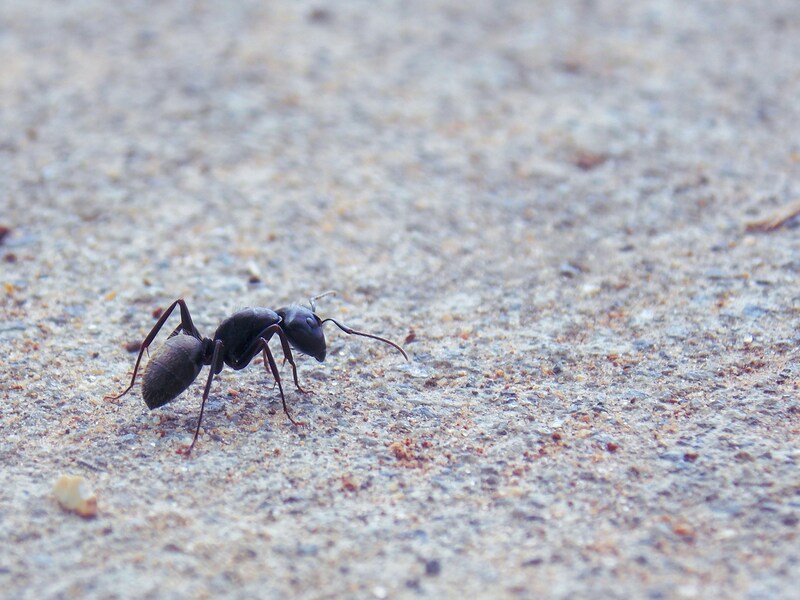
- Carpenter ants: They nest in moist or rotting wood, including trees and stumps, and can weaken structural wood over time.
- Field ants: Their mounds interfere with mowing.
- Honeydew-loving ants: Some protect aphids that feed on garden plants.
2. What Attracts Ants to Your Yard in the First Place?
Ants settle where food, moisture, and shelter sit close together, and many yards supply all three. Check for these common draws:
- Honeydew producers: Aphids, mealybugs, scales, and whiteflies leave sugary residue that ants feed on.
- Damp or decaying wood: Stumps, logs, and damaged limbs attract carpenter ants.
- Mulch and leaf litter: Heavy piles against foundations give ants cover and a path indoors.
- Fallen fruit and pet food: Ripening fruit and leftovers feed foraging workers.
- Branches touching walls: Limbs and shrubs act as bridges to the house.
- Sunny, open lawn: Fire ants build mounds in turf, often after rain.
3. How to Get Rid of Ants in Yard Step by Step
The right method depends on the ant, so match the treatment to what you find. These four steps cover how to get rid of ants in yard problems, from finding the nest to blocking return routes.
Follow the Ant Trail Back to the Nest
Start by watching where ants travel, since bait only works if it reaches the colony. Trace trails to the spot where they are feeding or nesting.
In cool weather, look during the warmest part of the day, and in hot weather, during the cooler part.
A raised mound in turf suggests fire or field ants, while a trail leading to a stump, tree base, or damp wood points to carpenter ants.
To confirm fire ants are actively foraging, set a potato chip or slice of hot dog near the mound for 5 to 10 minutes.
Treat Lawn Mounds With Bait First, Then Spot-Treat Survivors
For lawn mounds, the two-step method is the most commonly recommended approach. Bait comes first because foragers carry it back and share it with the colony, including the queen. Follow these rules:
- Apply broadcast bait when ants are foraging and the weather is dry, roughly 70 to 95°F.
- Use fresh bait, and avoid rain or irrigation for 12 to 24 hours afterward.
- Scatter bait around mounds, not on top, and follow the label rate.
- Wait several days, then treat remaining mounds with a liquid drench, about 1 to 2 gallons per mound.
- Do not disturb a mound before or after treating it.
Baits work slowly, often in 3 to 14 days, so patience matters. This is the core of how to get rid of ants in yard lawns without spraying everything.
Treat Honeydew Sources When Ants Are Climbing Garden Plants
When ants climb a trunk or stem, aphids or similar insects are usually feeding above. Ants protect these pests from natural enemies, so removing the honeydew source weakens the ants’ reason to stay.
- Spray plants with a strong stream of water early in the day to knock off aphids and rinse away honeydew.
- Wrap the trunk with tree wrap or duct tape, then apply sticky material to the wrap, not to thin or young bark.
- Prune branches that touch the ground, buildings, or other plants.
- Set ant bait near plant bases where trails run.
Clear Nesting Debris and Seal Cracks Near Patios and Foundations
Finally, make the area less welcoming so ants do not return. Keep mulch, leaf litter, and irrigation water several inches away from foundations and walls.
Move rotting stumps, logs, and firewood away from the house, and fix leaks that keep wood damp.
Seal cracks in patios, walls, and gaps around pipes, since these are entry points. If carpenter ants are in wood that is part of your home, call a pest professional.
>>> Read more: How to Get Rid of Black Ants: Identify the Type and Find the Main Nest
4. Which DIY Natural Remedies for Yard Ants Are Worth Trying?
Some home options have support, but none match a well-timed bait. If you want to give home remedies a shot, here are a few worth trying:
- Hot water: Pour at least 3 gallons of 190 to 212°F water slowly onto a mound. Success ranged from 20 to 60%, so repeat as needed. It also kills nearby grass and plants, so keep it off the lawn edge.
- Citrus oil (D-limonene): Used as a mound drench, it is toxic to fire ants.
- Spinosad bait: This organic bait toxin is sold in OMRI-certified products.
- Borate-sugar bait: Around 0.5 to 1% boric acid in a sugar solution, in a protected station. Higher borate levels repel ants.
On the other hand, here are a few methods you should skip:
- Grits, club soda, molasses, and aspartame: Extension sources say they do not work.
- Diatomaceous earth: Colony kill has not been consistently shown.
- Gasoline, bleach, and ammonia: They are dangerous and can contaminate soil and groundwater.
>>> Read more: How to Get Rid of Flying Ants Fast and Prevent Future Swarms
5. FAQs
When is the best time of year to treat ants in the lawn?
Late spring and early fall are the best times for bait, when ants are active and temperatures are roughly 70 to 95°F. If you treat only once, early spring works.
Is it safe for kids and pets to play on the grass after treatment?
It depends on the product, so follow the re-entry interval on its label. Keep children and pets off the area while liquid treatments dry, and store bait out of reach.
Do I need to treat harmless ants in my lawn at all?
Often, no. Only a few species are pests, and wiping out ants outdoors is usually unrealistic. Treat when you have stings, damaged wood, aphid problems, or ants entering the house.
6. Final Thoughts
The best answer to how to get rid of ants in yard areas is to find the nest, bait first, treat survivors, and remove the food, moisture, and wood that drew them in.
Always read product labels, and call a professional for large infestations or carpenter ants in your home.