Spotting a few small black ants near the kitchen sink is usually the first sign of a nest nearby. This guide explains how to get rid of black ants by finding where they live, treating the colony instead of the stragglers, and blocking the way back in.
1. Where Do Black Ants Live?
“Black ants” is a catch-all name for several species, so a quick look helps before you treat anything.
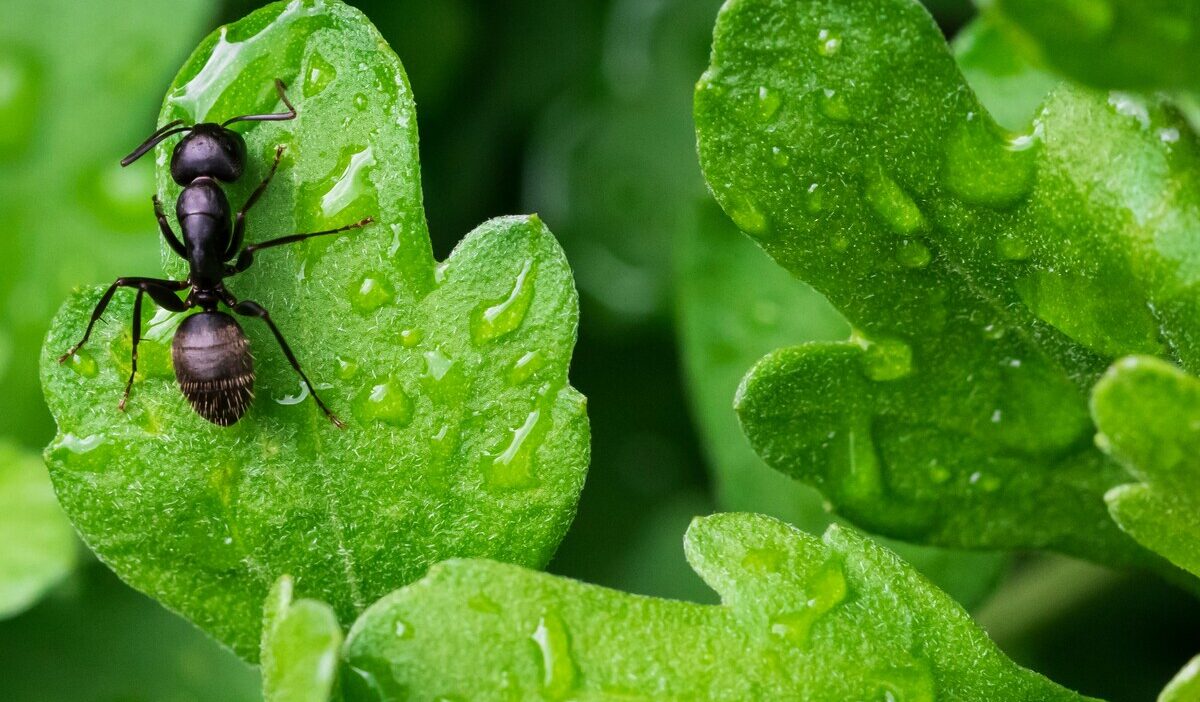
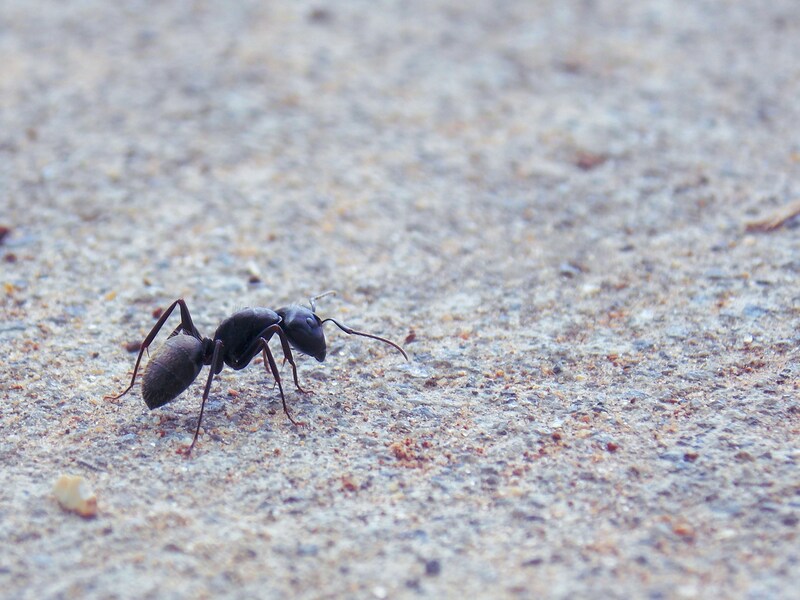
Little black ants are tiny and shiny, odorous house ants smell like coconut when crushed, and carpenter ants are much larger at roughly 3/8 to 1/2 inch.
Most household ants nest outdoors, and the ones you see indoors are often foragers following a scent trail. Check these three spots first.
- Wall gaps: Little black ants nest in wall voids, foundation cracks, and cabinets, and carpenter ants use wall voids too.
- Dirt holes and patio cracks: Many colonies live in soil near foundations, under rocks, in mulch, or under pavement. Small mounds or fine soil at a patio crack point to a nest.
- Under sinks: Moist or decayed wood around tubs, sinks, and dishwashers attracts carpenter ants. A slow leak under a sink can turn into a nest site.
>>> Read more: How to Get Rid of Earwigs: What Attracts Them and How to Stop
2. How to Get Rid of Black Ants?
Once you know where they nest, the goal is to reach the colony and the queen, not just the workers you see.
Spraying foragers rarely helps, because the nest sends replacements. Here is how to get rid of black ants with three steps that work together.
Method 1: Put Sweet Liquid Baits Near Holes
Start with bait, because workers carry it back and share it with the queen and young. Choose a sweet liquid or gel bait, since many black ants favor sugar, though some switch to protein at times.
- Place the bait near nest holes and along trails, but not directly on top of the trail.
- Refill or replace it when it dries out or runs out.
- Do not spray insecticide near the bait, because it can stop workers from carrying it home.
- Keep bait out of reach of children and pets, and use enclosed stations where you can.
Expect results in one to two weeks. If ants keep coming after about three weeks, try a bait with a different active ingredient.
Method 2: Pour Hot Water On Outdoor Nests
Next, deal with the nest directly when you can see it. Hot water can kill a small, shallow colony in soil or under a stone.
Pour it slowly on the entrance, and use soapy hot water if you prefer. This method does not work well on large, deep, or hard-to-reach nests, and boiling water is a scald risk, so wear closed shoes and keep children away.
It will also damage grass and plants it touches, so avoid pouring it near garden beds.
Method 3: Seal Wall Cracks With Caulk
Finally, close the doors the ants keep using. Seal cracks and gaps around windows, doors, and pipes with caulk, and fix leaks, since moisture draws ants and carpenter ants in particular.
Trim branches and shrubs that touch the house, and keep mulch and plants away from the foundation.
Do this after baiting has worked for a few days, so you do not trap foraging ants inside before they can carry bait home.
3. What Home Ingredients Keep Black Ants Away?
Pantry fixes can support baits, but they rarely solve a nest problem alone. Treat them as helpers, not replacements for the steps above.
- Soapy water or vinegar water: Wipe trails and counters to remove the scent ants follow. Household cleaner works too.
- Boric acid or borax baits: Homemade baits use 5 to 10% mixed into honey or jelly. Keep them away from children and pets, and never put them on soil where plants grow, since they can sterilize it.
- Cinnamon: Some people sprinkle it along baseboards. Reports are mixed, and it may only partly help.
- Diatomaceous earth: It works only where it stays dry and ants walk through it.
4. When to Call a Pest Professional for Black Ants?
Most little black ant problems clear up with baits and sealing, but knowing when it is beyond a DIY job saves months of frustration.
Carpenter ants are different, because their nests are hidden in wood and are hard to eliminate. Call a professional when you notice any of these signs:
- Ants keep returning after three to four weeks of baiting.
- You see sawdust-like frass, or hear rustling in a wall.
- Many winged ants appear indoors, which suggests an indoor nest.
- You find damp, soft, or hollowed wood near a sink or a window frame.
>>> Read more: How to Get Rid of Aphids on Plants and Keep Them From Coming Back
5. FAQs
While common household black ants are mostly harmless, a growing infestation requires immediate action. Here are clear answers to the most common questions about how to get rid of black ants safely and effectively.
Are black ants harmful to people or pets?
Most black ants are nuisance pests that walk across food and contaminate it. Carpenter ants do not eat wood, but they dig clean tunnels in it, and over years that can weaken structural lumber.
Why are there flying black ants in the house?
Winged ants are reproductives leaving a colony to mate, often on a calm, sunny day after heavy rain. One or a few indoors usually means they wandered in, but many suggest a nest inside.
Do black ants stay active all year?
Outdoor colonies slow down in cold weather, and some stay dormant until spring. Indoor nests can remain active in winter, since the building is warm.
6. Final Thoughts
Success with how to get rid of black ants depends on finding the nest, feeding the colony slow-acting bait, and sealing the gaps they use. Keep your expectations realistic, because full control can take a few weeks.
If ants return again and again, or you find signs of carpenter ants in wood, bring in a pest professional instead of guessing.