
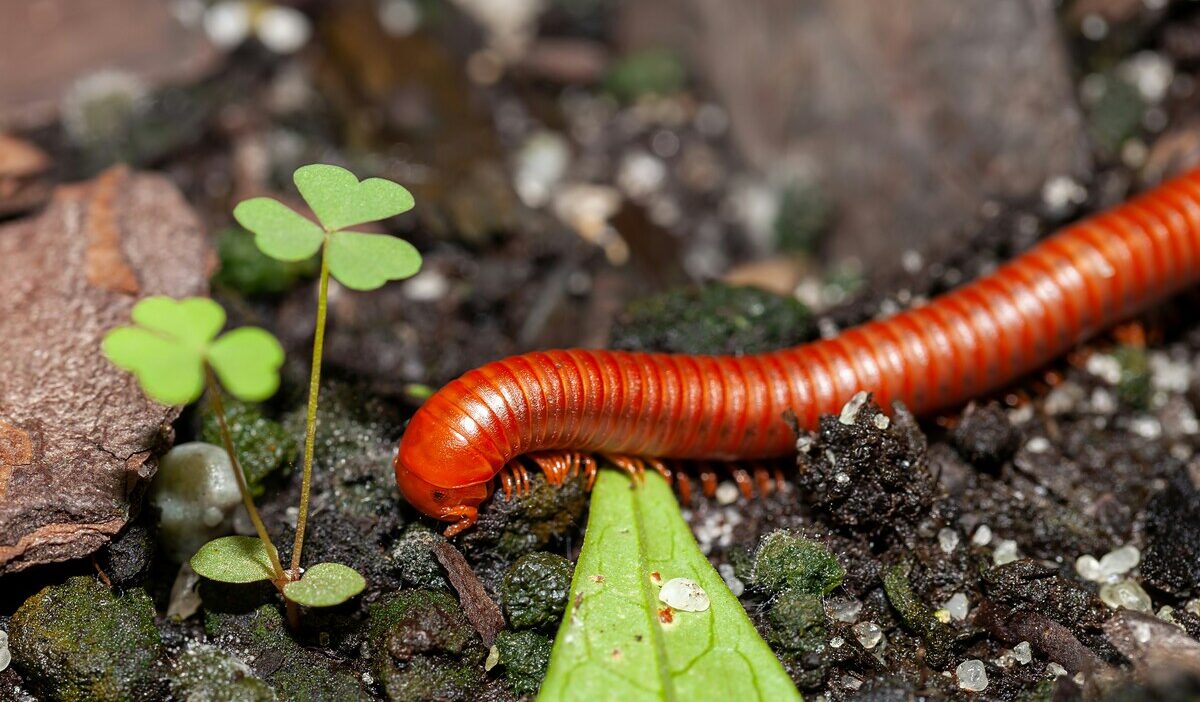
Finding a many-legged hunter in the basement or bathtub is unsettling, even when it is harmless. This guide explains how to get rid of centipedes by fixing the damp, insect-filled conditions that bring them toward your home.
1. Are Centipedes Dangerous?
Usually not. Most centipedes found in homes are predators that eat insects and spiders, and they are generally considered beneficial.
House centipedes, the type most often seen indoors, are not considered dangerous because their mouthparts rarely pierce human skin.
Their risk is mostly a bite. Centipedes have venom claws, which they use to subdue prey. A bite typically feels like a bee sting, with pain, redness, and swelling that fade within about 48 hours.
Large species, such as Scolopendra, can cut the skin and cause more irritation, so never handle any centipede.
Centipedes do not damage wood, wiring, or food. Understanding this keeps how to get rid of centipedes focused on prevention, not panic.
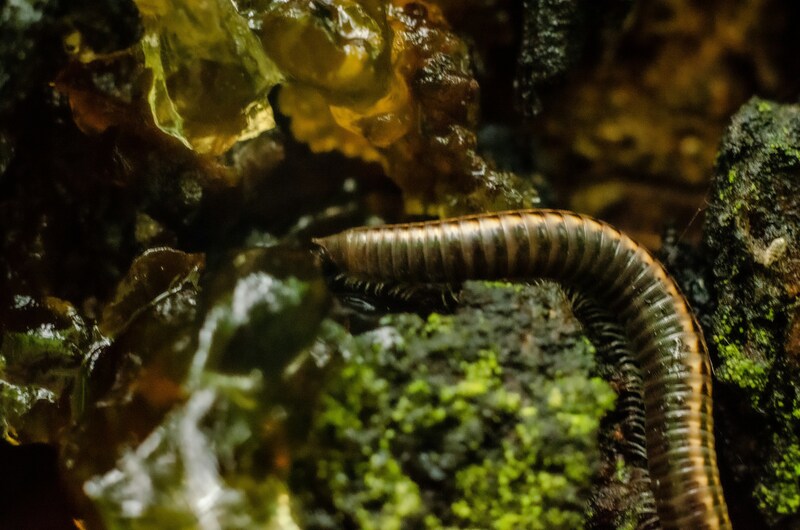
2. Why Do Centipedes Gather Around Your Foundation, and Basement?
Centipedes need two things, moisture and prey, and the foundation area often offers both. They hide in damp, dark places during the day and hunt at night. Common draws include:
- Leaf mulch and stones: These hold moisture right next to the house.
- Firewood and compost piles: Stacked material gives them shelter and insects to eat.
- Poorly ventilated crawl spaces: Humid air keeps the soil and framing damp.
- Basements and bathrooms: Leaks and humidity attract both centipedes and their prey.
- Other pests: Roaches, silverfish, ants, and spiders give centipedes a reason to stay.
>>> Read more: How to Get Rid of Fire Ants in Your Yard With a Bait-First Plan
3. How to Get Rid of Centipedes Step by Step?
Control is rarely needed outright. Reducing prey and airing out damp areas is the best long-term approach. Follow these four steps for how to get rid of centipedes, working from the outside in.
Dry Out the Foundation and Clear Hiding Places
Start outdoors, where centipedes shelter before they come in. Move compost piles, firewood, and stones away from the structure.
Place gravel between the foundation and flower beds, and turn mulch occasionally so it dries out.
- Keep gutters clear and downspouts directing water away from the house.
- Ventilate crawl spaces, and cover exposed soil with thick plastic sheeting.
- Fix leaks, and run a dehumidifier in damp basements and bathrooms.
Seal Gaps Around the House
Next, close the routes inside. Caulk or seal gaps around doors, windows, pipes, and wires, and repair cracks in the foundation.
On brick or stone walls, stuff weep holes with copper mesh or steel wool, though steel wool can rust and stain light-colored walls. Add door sweeps where a door leaves a gap at the bottom.
Capture or Vacuum Strays Indoors
For the centipedes already inside, simple removal is enough, and it is the quickest part of how to get rid of centipedes indoors.
A vacuum or broom does the job, and small sticky boards along walls can catch wandering ones and show where they travel. Centipedes that find no moisture soon die on their own.
Dry and vacuum the dark places they hide, such as under shelves, behind stored boxes, and behind the washing machine. Use a cup and a card if you want to move one outside, and avoid touching it.
Use Outdoor Treatments
Insecticides are usually a last resort, because centipedes carry their bodies high and have little contact with treated surfaces, and some extension guides call them rarely justified.
If you still need one, spray around the foundation with a product containing permethrin, bifenthrin, or carbaryl, concentrating on door bottoms and crawl space entrances. Boric acid or diatomaceous earth can go into wall voids.
Always follow the label, keep children and pets away until the product has dried, and call a licensed pest professional if centipedes keep appearing after you have fixed moisture and sealed gaps.
4. What to Do After a Centipede Bite?
Most bites are minor and can be treated at home.
- Wash the area with soap and water. Skip alcohol.
- Apply a cold compress wrapped in a towel for 10 minutes on and 10 minutes off. Warm compresses can make it feel worse.
- Check the skin daily for signs of infection.
Seek care for fever of 100.4°F or higher, spreading redness, red streaks, warmth, bleeding, foul-smelling drainage, or no improvement after 48 hours.
Small children and people with health conditions should have a bite checked. Call 911 if your lips, tongue, or throat swell or you have trouble breathing, wheezing, dizziness, or fainting.
>>> Read more: How to Get Rid of House Centipedes Without Using Harsh Chemicals
5. FAQs
Are centipedes and millipedes the same thing?
No. Centipedes are flattened and have one pair of legs per body segment, while millipedes are cylindrical with two pairs.
Centipedes are fast predators that never coil up, but millipedes feed on rotting plant matter, move slowly, and curl up when disturbed.
Why do I keep finding centipedes in the bathtub or sink?
They do not live there. Centipedes hunt at night in damp spots near drains, and a smooth tub or sink can trap them after they fall in.
Can I release a centipede outside instead of killing it?
Yes. An occasional centipede is harmless, and an entomology expert recommends scooping one into a cup and letting it go outdoors.
If you keep finding them, however, the conditions that attract them still need fixing, or more will come in.
6. Final Thoughts
Centipedes are shy hunters that follow moisture and insects. The lasting answer to how to get rid of centipedes is to dry the foundation, seal gaps, remove their prey, and use outdoor treatments only when needed.
Treat a bite with simple first aid, and see a doctor if symptoms get worse.