A long-legged blur racing across the bathroom floor can make anyone jump. This guide explains how to get rid of house centipedes with moisture control, sealing, and simple removal, without relying on harsh chemicals.
1. Are House Centipedes Dangerous?
Not really. House centipedes are 1 to 2 inches long, with 15 pairs of long legs and a yellow-gray body marked by dark stripes. They can bite, but only if handled roughly, and their mouthparts are weak.
The bite is described as similar to a bee sting, with minor swelling and irritation. Extension sources say they are not considered dangerous.
They are also predators. House centipedes eat spiders and household insects such as flies, cockroaches, and moths, so they can be beneficial.
2. Why House Centipedes Enter Homes and Where Do They Hide?
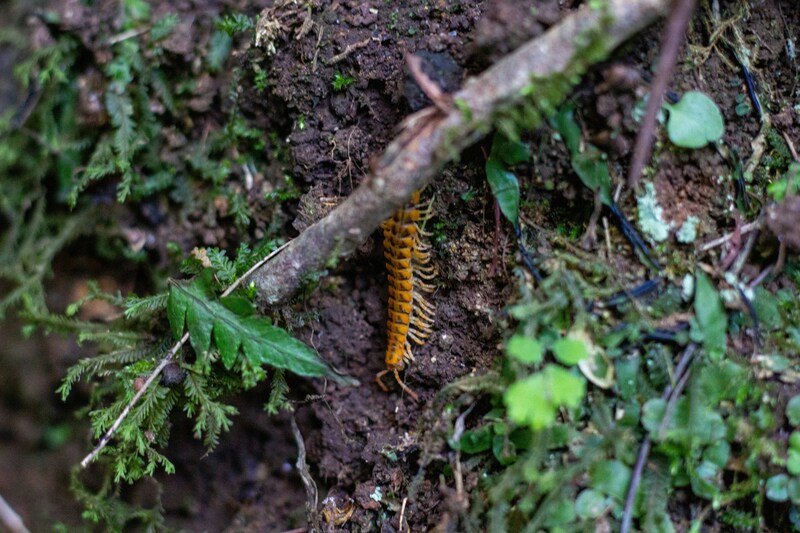
Centipedes follow moisture and prey. They are nocturnal and slip through narrow openings. Dry air can kill them, so they settle where it is damp.
- Basements and crawl spaces: Cool, humid, and rarely disturbed.
- Bathrooms and laundry rooms: Steam and leaks keep surfaces wet.
- Closets, garages, and cracks: Dark gaps give daytime cover.
- Potted plants: Overwatered soil and debris in trays hold moisture.
- Mulch and debris near the foundation: Damp outdoor shelter close to the house.
3. How to Get Rid of House Centipedes by Cutting Off Food and Water Sources?
Centipedes stay where they can hunt and stay damp. Remove both, and they usually leave or die. Here is how to get rid of house centipedes with three habits.
Eliminate Prey Insects
Fewer insects mean less reason for centipedes to stay. Keep window and door screens in good repair, seal entry points, and vacuum up spiders, roaches, and other pests you find.
Clear debris from plant pots and trays, and avoid leaving food out.
Dehumidify Damp Basements
Moisture control is the most important step. Fix leaks and keep gutters and downspouts directing water away from the foundation. Improve ventilation in crawl spaces and basements, and cover exposed soil with thick plastic sheeting.
- Run a dehumidifier in basements and laundry areas. Indoor humidity between 30% and 50% is a common target.
- Keep a two-foot zone around the building free of mulch, plants, and debris.
- Store firewood away from the house, and check plants before bringing them inside.
Seal Wall Crevices
Next, close the doors they use. Caulk and seal cracks in foundations, gaps around windows and doors, and expansion joints, both inside and out.
Add door sweeps or thresholds where light shows under a door. Sealing is a key part of how to get rid of house centipedes, since it also keeps out the insects they hunt.
>>> Read more: How to Get Rid of Fire Ants in Your Yard With a Bait-First Plan
4. Which House Centipede Removal Method Works Best for Your Situation?
The best method depends on how many centipedes you see and how soon you want results. These comparisons help you decide.
Physical Traps vs. Natural Dusts
Small sticky boards placed along walls where centipedes run can catch them and show where they are active. They also help check whether entry points are sealed.
Natural dusts, such as silica gel and diatomaceous earth, work well in cracks, weep holes, and similar hidden openings. Keep dusts out of reach of children and pets, and avoid breathing them in.
Immediate Contact Kills vs. Long-Term Environmental Control
For a single centipede indoors, a vacuum or broom is usually all you need. This removes it fast but does nothing about the cause.
Wandering centipedes that find no moisture soon die, so long-term control works better. Dry the space, seal gaps, and reduce prey, and sightings should fade over weeks.
Natural DIY Remedies vs. Chemical Sprays
The extension guidance reviewed here does not support essential oils or other home sprays for centipedes, so treat them as unproven.
Chemical sprays are also limited. Some extension sources say pesticides are not advised because centipedes hold their bodies off the ground and have little contact with treated surfaces.
Others allow outdoor perimeter treatments or spot treatments in hiding spots as a last resort. If you choose one, read the label and consider a licensed pest professional for ongoing problems.
5. FAQs
What should I do if a house centipede bites me?
Wash the area with soap and water, and apply a cold compress wrapped in a towel for about 10 minutes at a time. Most symptoms fade within 48 hours. Call 911 if your lips, tongue, or throat swell or you have trouble breathing.
Can house centipedes breed inside my house?
Yes. The house centipede is the one common species that can complete its life indoors. Females lay eggs in very moist, hidden spots, and adults can live a year or more. This is why drying damp areas matters more than killing one centipede.
Does seeing one centipede mean I have an infestation?
Not necessarily. Centipedes are usually found in small numbers, and a wandering one soon dies without moisture. A regular sighting, however, points to a damp area or an entry point.
>>> Read more: How to Get Rid of Ants in Yard Safely Without Ruining Your Lawn?
6. Final Thoughts
House centipedes are shy and mostly harmless, but they signal moisture and insects. The reliable answer to how to get rid of house centipedes is to dry damp spaces, reduce prey, seal gaps, and use sticky traps or a vacuum for the ones inside.
Keep chemicals as a last resort, and call a pest professional if sightings continue after the conditions are fixed.