
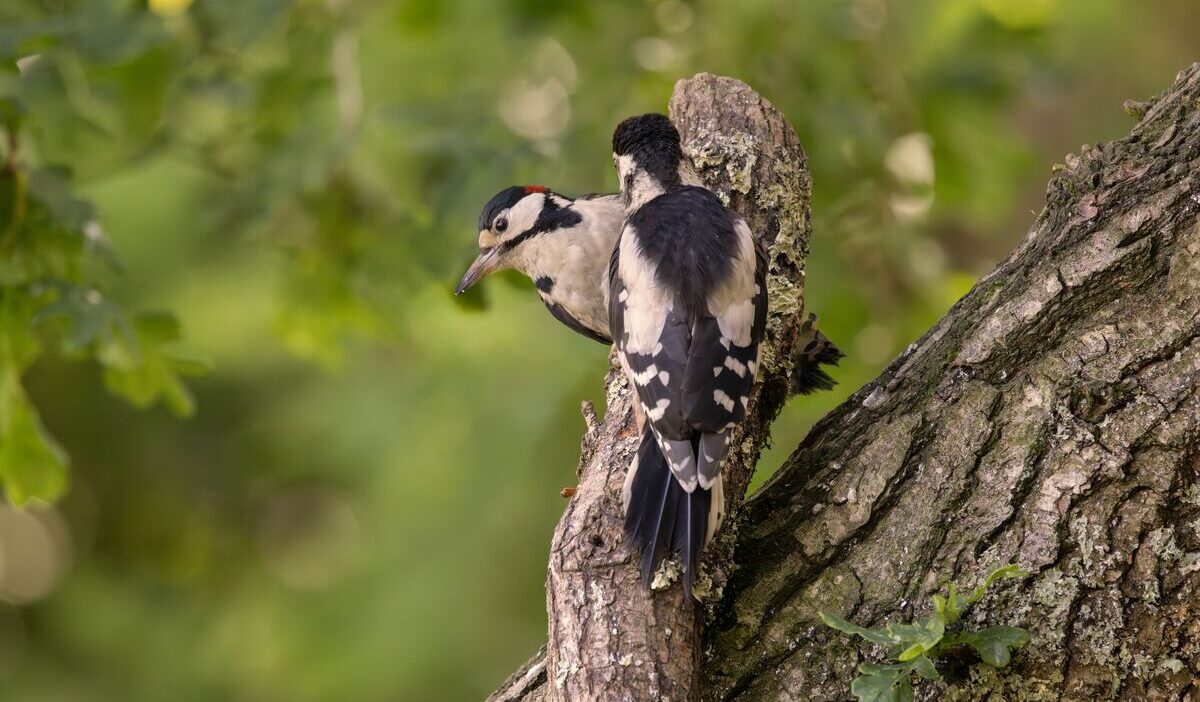
Sharp, repeated tapping on your wall usually means a woodpecker has found something worth drilling for. This guide explains how to get rid of woodpeckers without harming the birds, and how to stop fresh holes from showing up in your siding.
1. Why Do Woodpeckers Peck Houses?
A woodpecker rarely pecks a house for no reason. The pattern of the damage usually tells you what the bird wants, and that decides which approach to how to get rid of woodpeckers fits your home.
- Hunting for insects: Small, irregular holes often mean the bird is after larvae living in the wood, such as carpenter bee or leafcutter bee grubs.
- Drumming: Loud rapping, mostly in spring and summer, announces territory and attracts a mate. Birds favor surfaces that echo, like metal gutters, downspouts, and chimney caps.
- Nesting or roosting: Large, smooth, rounded holes are dug out as a nest or a shelter. Nesting usually starts around late April or May.
- Storing food: In the West, acorn woodpeckers drill acorn-sized holes and tuck one acorn into each.
Some houses are simply easier targets than others. Cedar and redwood siding, grooved plywood, and earth-tone stains have all been linked to more frequent damage. A house in a wooded yard also gets more visits than one in an open neighborhood.
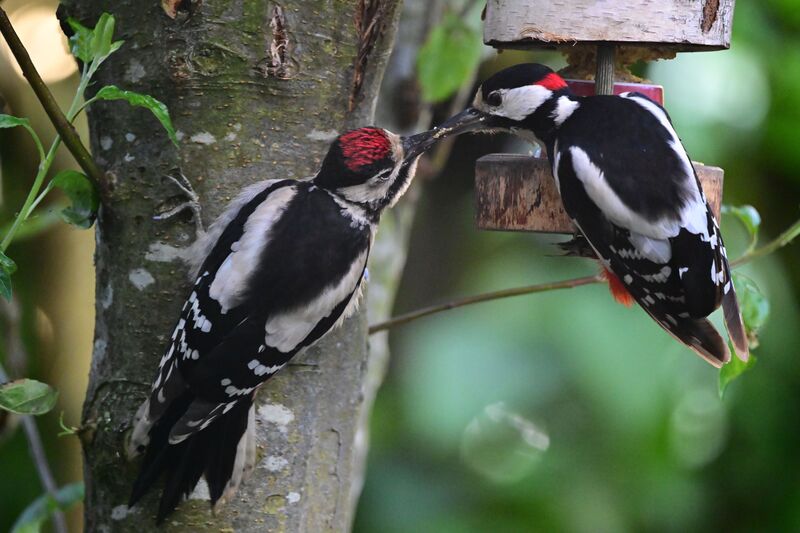
2. How to Get Rid of Woodpeckers?
All woodpeckers are protected under the Migratory Bird Treaty Act, so the goal is to discourage them, never to hurt them. Check for an active nest first, and act early, because a bird with a habit is hard to move.
Method 1: Remove Insects From Siding With Bug Spray
If the holes are small and scattered, insects may be the draw. Look for larvae tunnels, sawdust, or bees entering the wood.
- Use an insecticide labeled for treating wood and follow the directions exactly.
- Apply it on a calm day, and keep it away from bird nests, pets, and play areas.
- For a heavy infestation, hire a pest professional instead of spraying yourself.
Treating insects removes a food source, but a woodpecker may keep searching the siding for a while, so pair this step with the next two.
Method 2: Hang Shiny Tape and Wind Chimes
Add something that flashes and moves near the spot the bird works.
- Hang strips of reflective tape or Mylar streamers so they flutter in the breeze.
- Add wind chimes, pinwheels, or old CDs near the damaged area.
Streamers gave the most consistent results in a Cornell study, though no deterrent worked every time. Plastic owls and recorded distress calls tend to lose their effect once the bird gets used to them.
Method 3: Cover Pecking Spots With Bird Netting
When the bird keeps returning, a physical block is the strongest method. Hang lightweight bird netting from the eaves so it sits taut and at least 3 inches away from the wall.
Cover the whole side of the house, since a blocked woodpecker often moves to an open section nearby. Close the netting at the sides so no bird can get trapped behind it.
>>> Read more: How to Get Rid of Roaches at Home: Eliminate the Source of an Infestation
3. What Barriers Keep Woodpeckers Off Wood Siding?
Once the bird has left, long-term protection comes from the wall itself. The barriers below keep how to get rid of woodpeckers from turning into a yearly chore.
- Hardware cloth or sheet metal: Fasten 1/4-inch mesh or thin metal over repeat damage, and paint it to match the siding.
- Wrapped vents and chimney tops: Cover noisy metal fixtures with wire mesh so drumming loses its echo.
- Sealed holes: Fill old holes with wood putty, or replace the board. Make sure no bird is inside a hole before you close it.
- Maintained wood: Caulk cracks, keep the finish fresh, and apply a wood preservative to reduce insect activity.
Think about the siding material when you replace boards. Clapboard and non-wood siding attract fewer birds than grooved plywood, tongue-and-groove, or board-and-batten. Earth-tone stains are worth avoiding as well.
Skip suet feeders and nest boxes near the house, because they can draw more woodpeckers rather than fewer.
If the bird is a rare or endangered species, or you think a permit may be needed, contact your state wildlife agency or the U.S. Fish and Wildlife Service before taking action.
>>> Read more: How to Get Rid of Carpenter Bees Without Worsening the Problem
4. FAQs
Are sticky repellents or sprays safe to use?
Sticky gels are not a good choice for house siding. They can trap birds, damage feathers, and stain the wall, and Cornell’s Lab advises avoiding them.
Insect sprays are a different matter, because they go on the wood to remove larvae, but they still need careful label use.
Why does a woodpecker choose my house instead of a tree?
Insects in the wood, a hollow-sounding gutter, or soft cedar can all look like a perfect drumming post or feeding spot. A house near mature trees is also easier for a bird to find.
Will woodpeckers come back next year?
They may. Drumming returns with each breeding season, and a bird that has found a good spot often tries it again.
Keep the netting, streamers, and repairs in place through spring and summer, and look over the siding at the start of the season.
5. Final Thoughts
Woodpecker damage looks alarming, yet most cases respond to a patient mix of insect control, visual deterrents, and netting.
Learning how to get rid of woodpeckers starts with reading the holes to see what the bird wants, then blocking that need before the habit sticks. Because the birds are legally protected, keep every step gentle, repair the wall, and check it each spring.