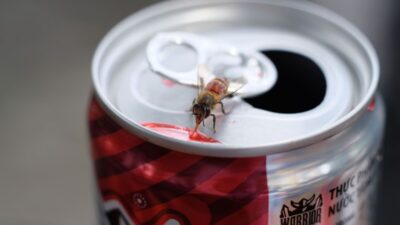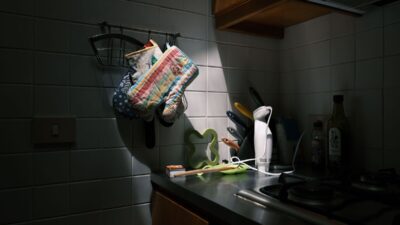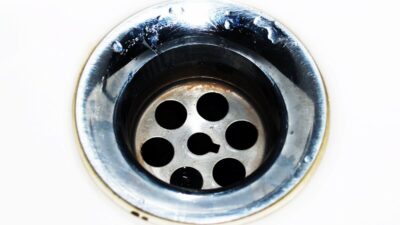
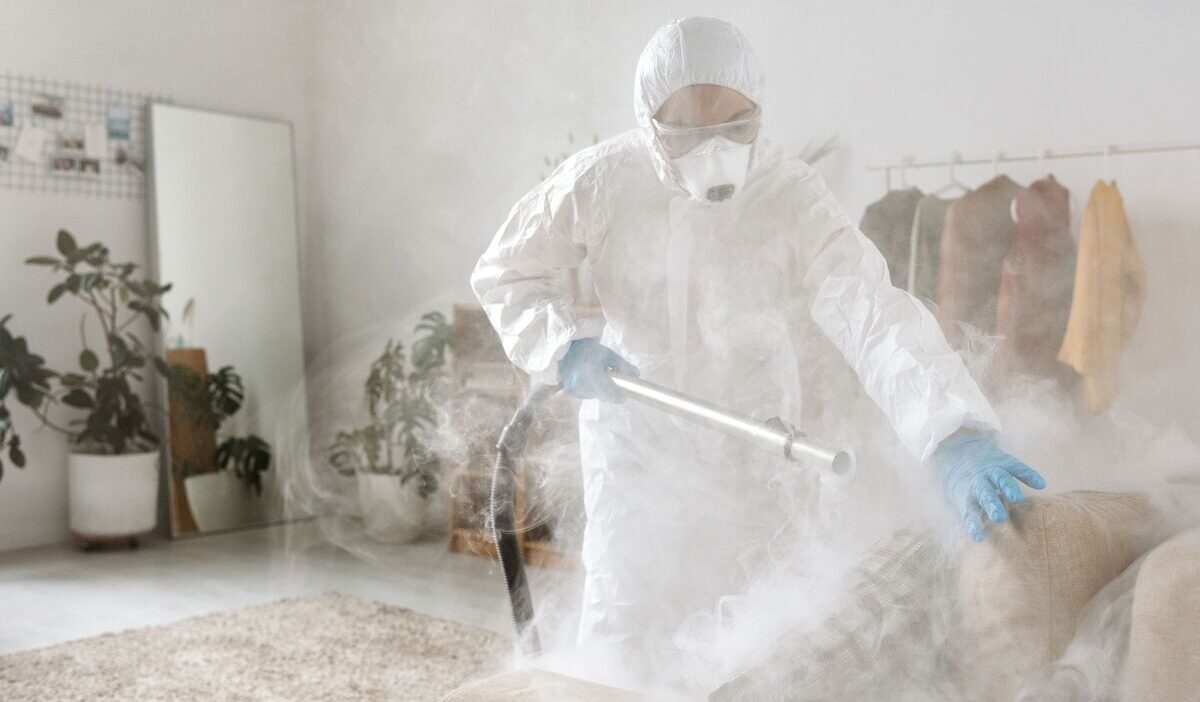
Roaches can remain hidden for much of the day, so seeing one in the kitchen may indicate that others are sheltering nearby. They usually gather where food, moisture, warmth, and narrow hiding places are available, including cabinets, appliance motors, plumbing areas, cardboard boxes, and wall gaps.
How to get rid of roaches? Long-term control requires locating their harborages, reducing food and water, applying targeted treatments, and monitoring whether the population is actually declining.
1. Where Are Roaches Hiding in Your House?
Roaches prefer dark, protected spaces close to the resources they need. Their flattened bodies allow them to enter narrow cracks that may be difficult to inspect without a flashlight.
Begin the search in rooms where sightings, droppings, shed skins, egg cases, or musty odors are most noticeable. The following locations are common starting points.
Kitchens and Food Storage Areas
Kitchens provide crumbs, grease, water, warmth, and numerous hiding places. Inspect pantry corners, food-storage shelves, trash areas, pet bowls, and spaces beneath sinks.
Cockroach droppings may resemble pepper, coffee grounds, or dark smears, depending on the species and size. Check cardboard food packages for damage and transfer uninfested dry foods into sealed containers.
Bathrooms and Plumbing Openings
Bathrooms offer moisture and access through plumbing gaps. Inspect beneath sinks, behind toilets, around pipe penetrations, near floor drains, and inside damp cabinets.
Larger species may enter from sewers, crawl spaces, basements, or exterior areas through drains and utility openings. Keeping drain traps functional and sealing gaps around pipes can reduce access, but active infestations still require monitoring and treatment.
Behind Appliances and Inside Cabinets
Refrigerator compressors, dishwashers, ovens, microwaves, and water heaters can provide warmth and shelter. Use a flashlight to inspect edges, hinges, motor compartments, and the wall-floor junction behind each appliance.
Cracks, Cardboard, and Cluttered Spaces
Roaches often shelter in cracks around baseboards, cabinets, wall voids, loose trim, and utility openings. Cardboard boxes, paper bags, and clutter provide additional protected spaces and may be moved from one room to another without revealing the insects inside.
Discard unnecessary cardboard and reduce stacks of paper or stored bags. Vacuum visible egg cases, shed skins, and droppings, then empty the vacuum outside or dispose of the bag promptly.
>>> Read more: How to Get Rid of Fruit Flies and Keep Them From Coming Back
2. How to Get Rid of Roaches
How to get rid of roaches overnight? The most reliable strategy combines sanitation, monitoring, exclusion, and carefully selected pesticide products.
Gel Baits and Bait Stations
Baits contain food combined with a slow-acting insecticide. Roaches feed on the bait and may transfer residues to others through droppings, regurgitation, or contact within harborages.
Place small bait spots or enclosed stations near active routes, such as under sinks, beside appliances, inside cabinet corners, and along wall edges. Many small placements are usually more effective than one large deposit.
Sticky Traps for Monitoring
Sticky traps help reveal where roaches are active and whether treatment is working. Place them tightly against wall edges, beneath appliances, inside cabinets, and near food, heat, or water sources.
Label each trap with its location and date. Check them regularly and compare the number of captures over time.
Insect Growth Regulators
Insect growth regulators, often called IGRs, interfere with normal insect development. They may prevent immature roaches from maturing or reproducing successfully.
IGRs do not usually produce the immediate knockdown associated with contact sprays. They work gradually and are often combined with bait, sanitation, and exclusion as part of an integrated control program.
Dust Treatments for Hidden Voids
How to get rid of roaches fast? Boric acid or diatomaceous earth dust may be used in certain dry, inaccessible cracks or wall voids when the product label permits it.
Dust should be applied as a very thin layer. Heavy piles may be avoided by roaches and can increase exposure risks. Never place dust on countertops, food-contact surfaces, toys, pet areas, or locations accessible to children.
Wall-void or electrical-area treatment may be better handled by a licensed professional. More pesticide is not necessarily more effective, and incorrect application can spread dust into occupied rooms.
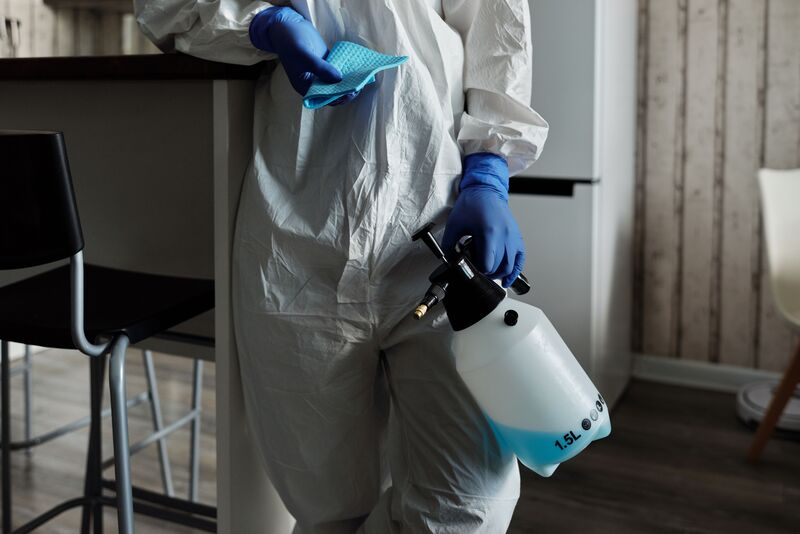
3. How Can You Prevent Another Roach Infestation?
Prevention reduces the food, moisture, shelter, and access points that allow another infestation to develop.
The following habits should continue even after traps stop catching roaches.
Store Food in Sealed Containers
Keep cereal, flour, sugar, snacks, pet food, and other dry goods in glass, metal, or heavy plastic containers with tight-fitting lids.
Avoid leaving pet food out overnight. Clean food residue from container exteriors and inspect grocery bags, boxes, used appliances, and deliveries before bringing them into storage areas.
Clean Grease and Crumbs Regularly
Wipe counters, sweep floors, wash dishes, and clean beneath appliances. Pay particular attention to grease beside the stove, crumbs in cabinet corners, and residue around trash or recycling bins.
Sanitation makes bait more competitive and removes resources that can support surviving insects.
Fix Leaks and Keep Sinks Dry
Repair dripping faucets, leaking pipes, refrigerator trays, and condensation problems. Wipe sinks and counters dry at night and avoid leaving water in pet bowls when it is not needed.
Roaches can survive longer without food than without water, so moisture reduction can make the environment less supportive while other controls take effect.
Seal Gaps Around Pipes and Cabinets
After activity has declined, caulk cracks around cabinets, baseboards, walls, windows, and plumbing penetrations. Use suitable mesh or repair materials for larger openings.
Door sweeps, repaired screens, and sealed utility gaps can help prevent outdoor species from entering. In apartments or connected housing, management may need to coordinate treatment between units because roaches can move through shared walls and service lines.
>>> Read more: How to Get Rid of Mice in the House and Block Their Return
4. Final Thoughts
The best method for how to get rid of roaches is to remove what sustains them while placing treatment near the spaces they actually use.
Gel bait or bait stations target feeding insects, sticky traps show where activity is concentrated, IGRs disrupt development, and carefully applied dust can reach selected hidden voids.