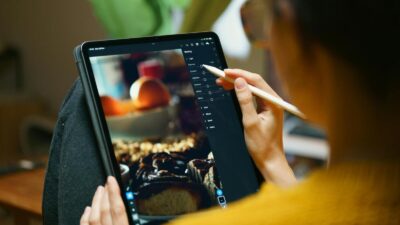
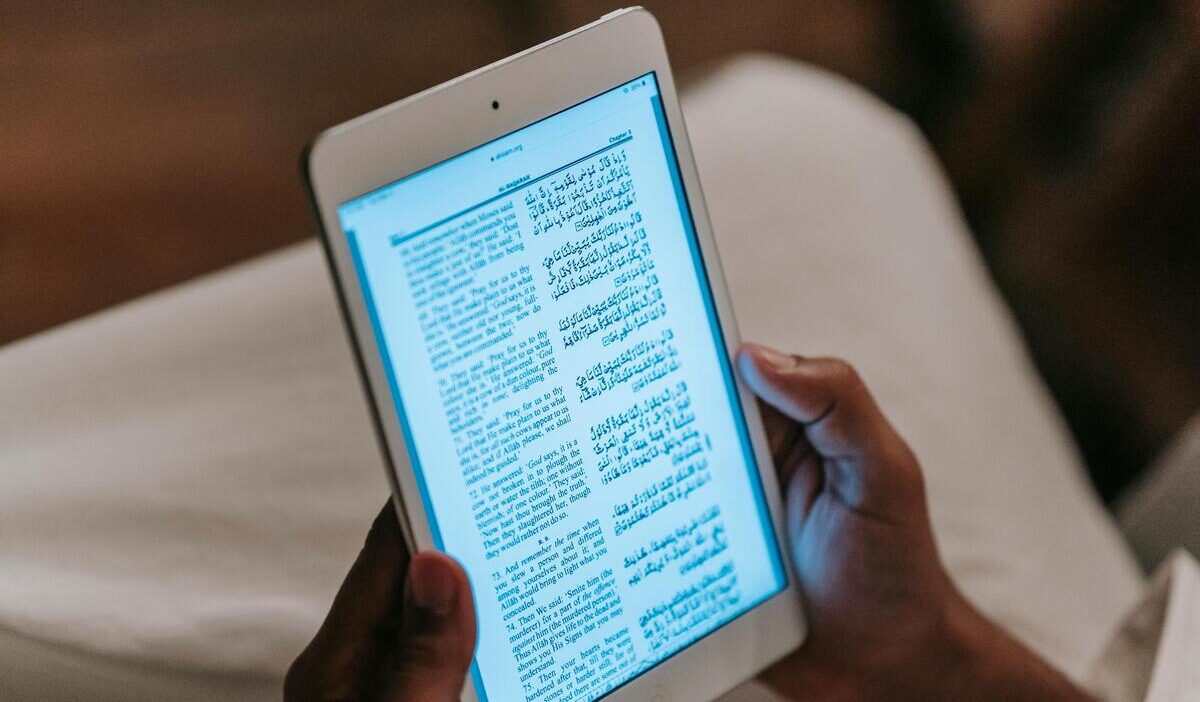
Connected devices have become part of everyday survival for many households across the United States. School communication, online healthcare portals, remote work platforms, banking apps, and government services now often require stable internet access just to handle routine tasks.
Because of that shift, more consumers are trying to understand how to order a free tablet through government-supported communication programs.
In reality, most programs work through participating wireless providers that combine communication assistance with available device offers depending on eligibility and inventory.
1. What Is a Free Tablet Program?
Most so-called “free tablet” programs are not traditional government giveaways.
Instead, they are usually connected to communication assistance systems that help eligible households maintain affordable internet and wireless access through participating providers.
Wireless service is often the main benefit
Internet access assistance programs in the U.S. are generally designed around reducing the monthly cost of staying connected rather than simply handing out devices.
In many cases, participating wireless providers use eligibility-based programs to help qualifying households access mobile service plans, while available tablets are added as part of promotional or inventory-based offers.
A tablet may change depending on inventory, but affordable connectivity can continue supporting telehealth visits, school access, job applications, and everyday communication long after the device arrives.
Tablets may be offered through participating providers
Participating providers may include tablet offers alongside qualifying wireless plans.
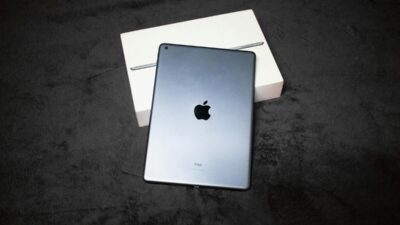
For example, AirTalk Wireless has previously offered tablets such as:
- Apple iPad 3
- Samsung Galaxy Tab 4
- Samsung Galaxy Tab S2 9.7
- TCL TAB 8 LE
- Sky Pad8
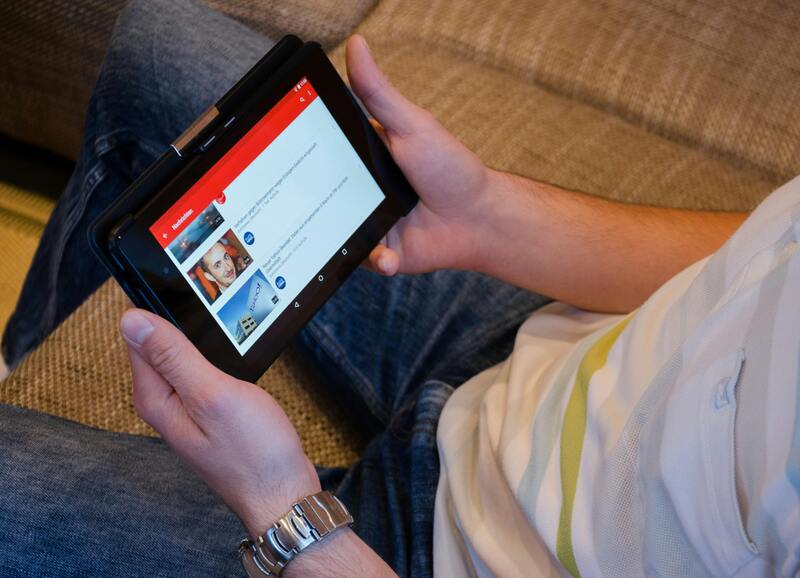
Some devices are better suited for streaming and video calls, while others focus on lighter browsing, email access, and communication tasks.
Why offers differ between applicants?
Two approved applicants may still receive different device options. That variation may depend on:
- Current inventory
- Shipping region
- State participation
- Promotion timing
- Provider availability
2. Who May Qualify for a Government Tablet Offer?
Eligibility usually depends on participation in qualifying assistance programs or household income verification.
Common qualifying programs may include:
- SNAP / EBT
- Medicaid
- Supplemental Security Income (SSI)
- Federal Public Housing Assistance
- Veterans Pension & Survivors Benefits
- Certain Tribal assistance programs
Some providers may also allow households to qualify through income verification even without participation in government assistance programs.
Applicants are generally asked to verify:
- Identity
- Household address
- Program participation
- Income status if necessary
Benefits are typically limited to one qualifying service per household.
>>> Read more: How Do I Get a Free Tablet? The Ultimate Applicant’s Guide
3. What You Usually Need Before Ordering a Free Tablet?
Preparing documents ahead of time can help avoid unnecessary delays.
Many application issues happen simply because uploaded files are incomplete, outdated, or difficult to verify.
Before enrollment, applicants usually need:
- Government-issued identification
- Proof of assistance program participation or income
- Current mailing address
- Active phone number or email address
Examples of acceptable documents may include:
- Driver’s license
- SNAP approval letter
- Medicaid participation records
- Pay stubs
- Tax returns
4. How to Order a Free Tablet?
How can I get a free tablet from the government? Most participating providers now allow applicants to complete the entire process online.
For providers such as AirTalk Wireless, the process commonly includes several verification and review steps before approval is completed.
Checking eligibility online
The first step usually involves confirming eligibility based on participation in qualifying programs or household income.
Applicants often begin by entering their ZIP code and reviewing available plans in their area.
Uploading documents for review
After eligibility screening, applicants are typically asked to upload supporting documents. These may include:
- Identity verification
- Income records
- Assistance program participation documents
- Address confirmation
Submitting complete and readable files is important because missing information can delay approval.
Reviewing available tablet and service options
Once documents are reviewed, applicants may see available device and wireless plan options depending on inventory.
Available tablets may vary significantly based on provider stock and current promotions.
Completing approval and shipping steps
After approval, providers generally finalize shipping and activation instructions.
For providers such as AirTalk Wireless, the overall process commonly includes:
- Checking eligibility based on income or participation in qualifying programs
- Starting by entering your ZIP code
- Selecting a device and plan if available
- Uploading documents that verify eligibility
- Completing the online application
- Receiving the phone and activating service
Approval timelines may vary depending on verification speed and inventory availability.
5. Reliable Internet Access Usually Matters More Than the Tablet
Many households initially focus only on receiving a device.
Over time, however, stable internet access often becomes the more important benefit.
Reliable connectivity may support:
- Telehealth appointments
- School communication
- Online job applications
- Government services
- Remote work opportunities
- Emergency communication
A tablet without dependable wireless access can quickly become difficult to use consistently.
For many families, affordable monthly connectivity ultimately creates more practical long-term value than simply receiving a newer tablet model.
>>> Read more: How to Apply for Free Tablet From Government-Subsidized Programs in 2026
6. Final Thoughts
So, how to order a free tablet? Most current offers focus on helping eligible households maintain affordable wireless access, while tablets are provided through participating providers depending on inventory and qualification status.
For many households, these programs can still provide meaningful support through both connected devices and lower communication costs.
More importantly, reliable internet access now affects healthcare, education, employment opportunities, and everyday life in ways that continue becoming more important each year.