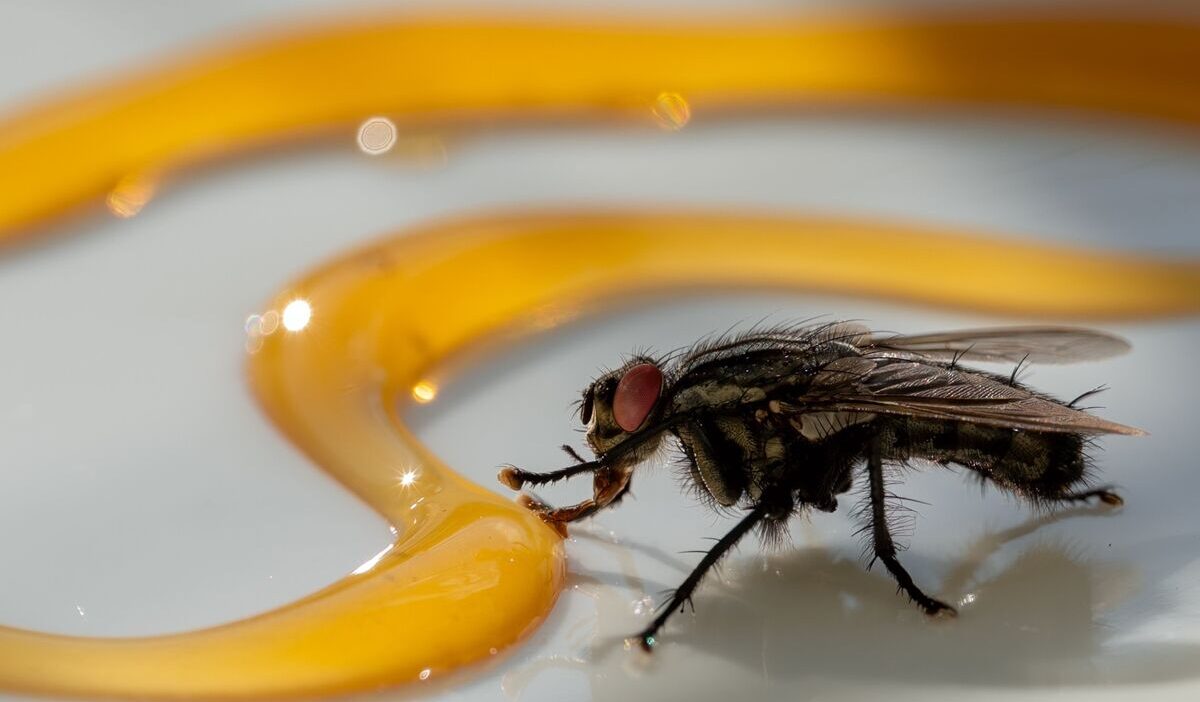
Flies inside the home are usually a symptom of something else: exposed food, garbage, pet waste, fermenting material, a dead animal, or an opening that allows outdoor flies to enter. Killing the adults may make a room feel better temporarily, but it will not solve an active breeding source.
The most effective approach to how to get rid of flies in house is to identify where the insects are coming from, remove or clean that source, and then use traps or physical removal for the adults that remain.
Different flies have different breeding habits, so finding the source should come before choosing a treatment.
1. Find Where the Flies Are Coming From
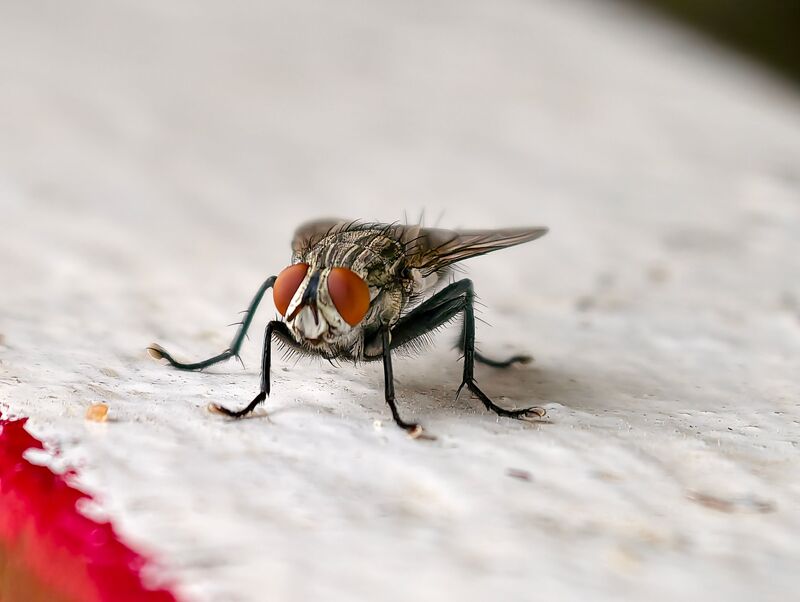
Start by looking at where flies gather most often. House flies are strongly associated with garbage, manure, animal waste, and decaying organic material, while blow flies may develop in animal carcasses or meat waste.
Small fruit flies are more commonly linked to fermenting fruit and beverage residue.
Fly development can happen quickly. House fly eggs may hatch in as little as 8–20 hours, and under favorable warm conditions the entire egg-to-adult cycle may take only 7–10 days.
2. How to Get Rid of Flies in House
Once the likely source has been identified, remove contaminated material and reduce the adults still flying around.
After source removal, choose a control method based on the number and type of flies present.
Sticky Fly Traps
Sticky ribbons, cards, and window traps can catch adult flies without spraying pesticide through the room.
Place them where flies naturally travel, such as near windows, garbage areas, or other active locations. Keep sticky products away from food preparation surfaces and out of reach of children and pets.
Sticky traps are best for monitoring or reducing small to moderate adult populations. They do not reach eggs, larvae, or pupae, so they should support, not replace, the source-removal part of how to get rid of flies in house.
UV Light Traps
UV light traps attract certain flying insects with ultraviolet light and capture or kill them inside the unit. They can be useful in garages, utility spaces, commercial-style kitchens, or rooms with persistent adult fly activity.
Placement matters. Indoor insect light traps should be positioned away from exterior doors and windows so they do not attract additional insects from outside. They also should not be installed directly above exposed food or food-preparation surfaces.
Vinegar Traps
Vinegar traps are useful primarily for small fruit flies rather than ordinary house flies.
Apple cider vinegar or another fermenting liquid attracts drosophila-type flies. Adding a small amount of detergent lowers the liquid’s surface tension so flies are more easily trapped.
For how to get rid of flies in house, use vinegar only when the insects are concentrated around fruit, wine, juice, recycling, or other fermenting material.
Vacuum or Fly Swatter
Physical removal is often the quickest option when only a few adult flies remain.
A vacuum works well around windows, curtains, ceilings, and other places where flies rest. Empty the bag or canister outside after collecting a large number.
>>> Read more: Too Many Flies Indoors? How to Get Rid of Flies Fast and Safely
3. How to Deep Clean and Neutralize the Breeding Source
Deep cleaning means more than replacing a trash bag. Fly larvae can continue developing in residue left beneath liners, around container rims, behind appliances, or inside damp organic buildup. Use a source-based cleaning routine:
| Breeding Area | What to Do |
|---|---|
| Trash can | Remove waste, wash lid, rim, sides, and bottom, then dry |
| Recycling | Rinse bottles and cans and clean leaked beverage residue |
| Pet area | Remove feces promptly and wash contaminated surfaces |
| Produce area | Discard spoiled fruit and clean leaked juices |
| Garbage disposal | Remove trapped food and clean accessible surfaces |
| Drain | Remove organic buildup mechanically when flies are developing there |
| Hidden food spill | Move appliances and clean underneath |
| Dead animal | Remove safely or arrange professional removal |
When working on how to get rid of flies in house, continue cleaning nearby areas even after the obvious source is gone because mature larvae may have crawled away to find a drier location for pupation.
4. Ways to Stop Outdoor Flies From Getting Inside
If there is no indoor breeding source, repeated flies may simply be entering from outdoors.
Keep doors closed when possible and repair damaged screens. Windows, doors, vents, and structural gaps should fit tightly enough to reduce fly entry.
Screens with approximately 14–16 meshes per inch are commonly recommended for excluding house flies.
Outdoor sanitation matters because a breeding site beside the house can continuously send new adults toward doors and windows.
5. FAQs
Why Are There Suddenly So Many Flies in My House?
A sudden increase often indicates a nearby breeding source or a batch of adults emerging at approximately the same time.
Because house flies can complete their life cycle in as little as 7–10 days under favorable conditions, unnoticed waste can generate a new population quickly.
How Long Will Flies Stay After the Source Is Removed?
Some adults may remain for several days, and pupae that formed before cleanup may still emerge afterward.
Adult house flies commonly live around 15–25 days, although survival varies with environmental conditions.
What Smell Keeps Flies Away?
No household scent reliably solves an established fly infestation. Peppermint, eucalyptus, citronella, vinegar, and other strong odors may temporarily affect where some insects fly, but they do not remove eggs, larvae, garbage, manure, or other breeding material.
Can Flies Breed Inside Walls?
Yes, if suitable organic material is present. Blow flies and related species may develop in an animal carcass inside a wall, attic, chimney, or ceiling void. Some smaller flies can also develop around plumbing leaks or sewage-related organic material.
>>> Read more: How to Get Rid of Flies Outside Around Your Yard, Patio, and Garden
6. Final Thoughts
The most reliable answer to how to get rid of flies in house is to find what is feeding or producing them before concentrating on the adults.
Use sticky traps, UV traps, vinegar traps, vacuuming, or a fly swatter according to the type and number of flies present. Then clean garbage, recycling, pet areas, drains, spills, and any hidden organic material thoroughly.