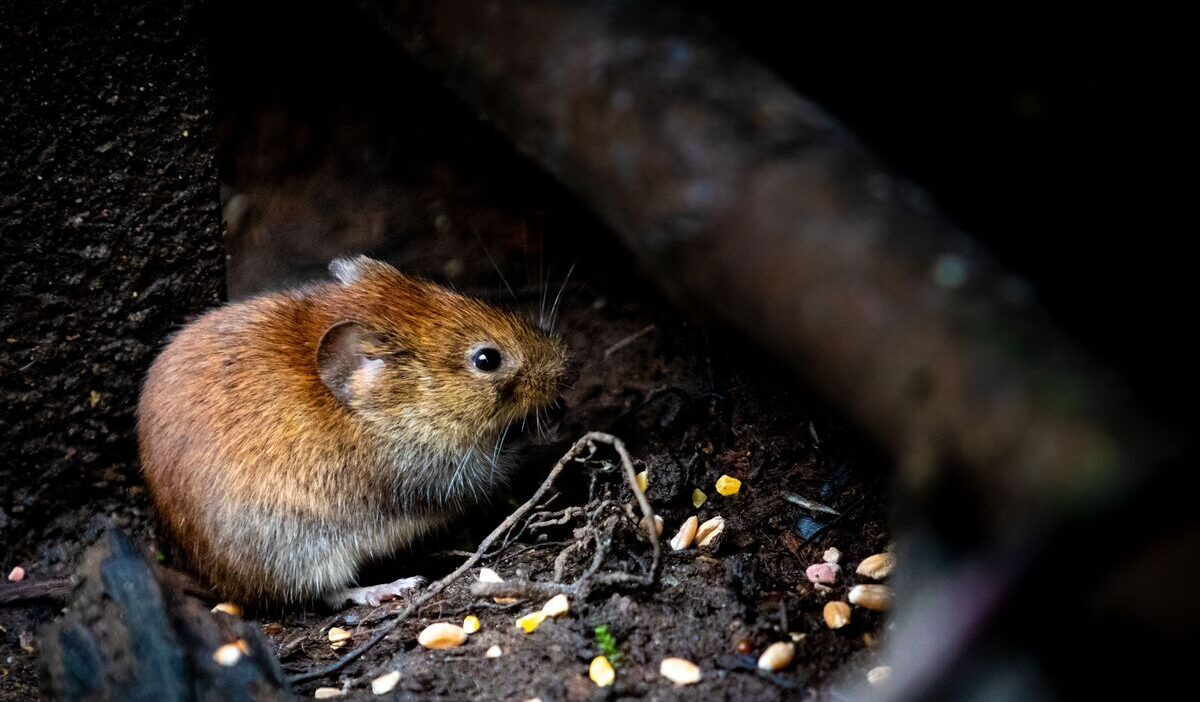
Voles are small, stocky rodents that can damage lawns, vegetable gardens, bulbs, tree bark, roots, and even irrigation lines. Their presence is often easy to miss until surface runways, gnawed plants, or exposed spring lawn damage becomes obvious.
The most effective approach to how to get rid of voles is to identify active runways, concentrate control where the animals are actually traveling, reduce protective vegetation, and keep monitoring after treatment.
Because vole populations can increase quickly under favorable conditions, acting early is usually easier than dealing with widespread damage later.
1. How to Tell If You Are Dealing With Voles?
Voles are often confused with moles, mice, and gophers, but their signs are different.
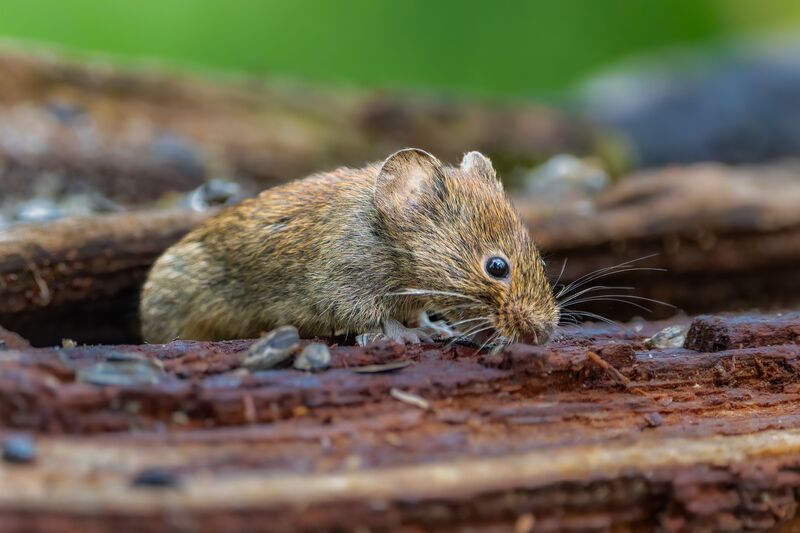
Adult voles are generally about 5–8 inches long, including the tail, with compact bodies, short legs, small eyes, partially hidden ears, and relatively short tails.
Meadow vole runways are commonly around 1.5 inches wide, while burrow openings may measure roughly 1.5–2 inches across.
These measurements make how to get rid of voles more accurate because they help distinguish active vole routes from mole tunnels or larger rodent burrows.
2. Ways to Find Where the Voles Are Most Active
Do not treat the entire yard equally. Voles tend to stay close to their established runways and protective cover, so the most active zones should receive attention first.
Follow the Runways
Pull back overhanging grass, mulch, or groundcover and look for narrow pathways that appear repeatedly clipped or flattened.
Fresh green clippings and newer droppings are stronger signs of current activity than an old, empty trail.
Runways containing mold, weeds, or vegetation growing back through the path are more likely to be inactive.
Mark active routes with small garden flags so you can compare them over the next several days.
Locate Burrow Openings
Follow active runways until they reach small openings in the soil. Several openings may connect to the same burrow system.
Voles usually build shallow burrows and grass-lined nests rather than the large soil mounds associated with gophers. Some vole nests may sit only about 4–5 inches below ground.
Do not assume that every hole is occupied. Fresh clippings, droppings, tracks, or renewed runway use are more useful indicators.
Mark the Damage Zones
Record where you see gnawed bark, missing bulbs, damaged vegetables, dead lawn patches, or chewed irrigation lines.
Tree damage is particularly important because complete girdling can interrupt the movement of water and nutrients and eventually kill the plant.
Vole gnaw marks may be around 1/8 inch wide and 3/8 inch long, appearing at irregular angles.
>>> Read more: How to Get Rid of Skunks and Keep Them Away From Your Property
3. How to Get Rid of Voles?
The best control method depends on the size of the infestation. Small, concentrated populations can often be managed with trapping and habitat changes, while widespread activity may require professional evaluation.
A practical how to get rid of voles plan should start with active runways rather than random trap placement.
Start With Active Runways
Voles rarely move far from their established travel paths. Place monitoring or control measures directly along fresh runways and close to active burrow openings.
Destroying or flattening old runways after control can also help reveal whether new activity appears later.
Avoid placing traps or treatments in random open lawn areas where no current signs exist.
Use Traps for Small Infestations
Standard mouse snap traps can be effective when vole numbers are low or concentrated in a small garden area.
Place the trap perpendicular to the runway with the trigger extending into the travel path. Check traps daily and move them when catches stop.
In small gardens, UC IPM indicates that roughly 12 traps may be the minimum, while larger areas may require 50 or more.
After catches stop in one location, traps can be moved approximately 15–20 feet to another active zone.
Cover traps when practical to reduce access by children, pets, and non-target wildlife.
Reduce the Cover Around Runways
Dense grass, heavy mulch, weeds, groundcover, and debris protect voles from predators and environmental exposure.
Mow grass regularly, thin excessive groundcover, move woodpiles, and reduce deep mulch around vulnerable trees and beds.
A vegetation-free zone about 4 feet in diameter around young trees, or a buffer strip 4 feet or wider along tree rows, can reduce vole activity because they are reluctant to feed in exposed areas.
4. How to Make the Yard Harder for Voles to Live In?
A yard with continuous cover gives voles safer movement between feeding and nesting areas.
Keep grass relatively short, remove piles of leaves and debris, and avoid maintaining thick mulch directly against tree trunks. Birdseed that accumulates beneath feeders can also provide another food source, so keep the ground clean.
Protect young trees with suitable guards. Hardware cloth with approximately 1/4-inch mesh can help protect trunks, and guards should extend high enough to remain above expected snow depth.
Vole populations can increase rapidly. One female may produce 5–10 litters per year, with roughly 3–5 young per litter, and population booms may occur about every 3–5 years in some areas.
5. How to Check Whether the Voles Are Actually Gone?
Stopping treatment after one quiet day can be misleading. Continue monitoring the same areas for fresh activity.
Watch Old Runways
Flatten or lightly disturb old surface trails after treatment. If they remain unused and vegetation begins growing across them, activity has likely dropped.
Freshly reopened paths, new clippings, or recent droppings indicate that voles are still present.
Look for New Plant Damage
Inspect tree trunks, bulbs, garden crops, and irrigation components. New gnawing after treatment suggests that at least part of the population remains.
Damage beneath the soil may be harder to detect, so pay attention to plants that suddenly wilt, decline, or loosen unexpectedly.
Search for New Runways
Walk the perimeter of the affected area every few days and look beneath tall grass or mulch.
New runways may appear when surviving voles change travel routes or when animals move in from nearby dense vegetation. Heavy vegetation adjacent to the yard is a common source of reinvasion.
For how to get rid of voles long term, continue reducing cover and monitoring even after trapping has stopped producing catches.
>>> Read more: How to Get Rid of Groundhogs and Keep Them From Returning
6. Final Thoughts
The safest and most effective approach to how to get rid of voles is to find the routes they are actively using and focus control there.
Do not assume that lawn damage alone means a major infestation. Some spring runway damage is temporary and turf may recover naturally.
When activity is widespread, tree girdling is severe, or burrows extend across a large property, professional wildlife or pest-control assistance may be more practical.