
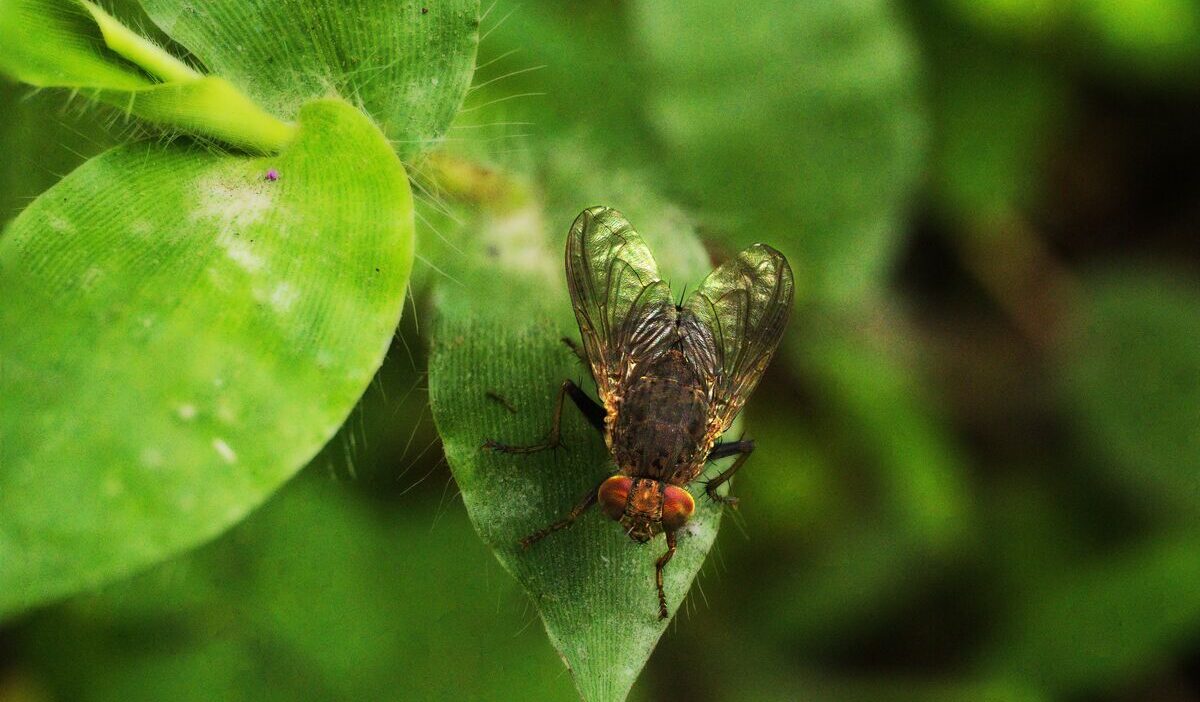
Outdoor flies can make patios, garden seating areas, grills, pet spaces, and trash zones difficult to enjoy. A few insects may simply be passing through, but consistently high numbers usually indicate a nearby source of food, moisture, animal waste, or decaying organic material.
The most effective approach to how to get rid of flies outside is to remove what allows them to feed and reproduce before relying on traps, candles, or pesticide products. Different fly species behave differently, but sanitation, moisture management, and regular yard maintenance are the foundations of outdoor control.
1. What Attracts Flies to Outdoor Living Spaces?
Outdoor living areas often provide several fly attractants at the same time.
Garbage, pet waste, compost, food spills, and damp organic material may support adult feeding or larval development.
Before choosing a control method, inspect the following sources around the property.
Garbage and Food Waste
House flies and other filth flies are strongly attracted to garbage and decomposing food. Open trash bags, leaking cans, barbecue grease, drink spills, and food left on outdoor tables can all increase activity.
Use trash containers with tight-fitting lids and clean residue from the bottom, rim, and surrounding ground. EPA guidance recommends keeping food scraps in tightly covered garbage cans as an initial pest-prevention measure.
Pet Waste and Animal Areas
Dog waste, manure, animal bedding, and food around outdoor kennels or feeding areas can provide breeding material for house flies and related species.
Remove pet waste promptly rather than allowing it to collect for several days. Clean animal enclosures, wash bowls, and keep feed dry and sealed.
University of Minnesota Extension recommends removing animal manure, dead animals, and other decaying material from the yard as part of fly control.
Standing Water and Moisture
Standing water alone is more closely associated with mosquitoes, but wet organic material can also support several kinds of flies.
Leaking irrigation, damp trash, clogged drains, soggy mulch, and poorly drained compost create favorable conditions.
Inspect birdbaths, plant trays, gutters, buckets, pet-water areas, and low spots where water remains after rain. EPA recommends eliminating standing water in containers and landscape features as part of outdoor pest prevention.
Compost, Grass Clippings, and Yard Debris
Compost can attract flies when it contains exposed food scraps, excess moisture, or an improper balance of materials.
Fresh grass clippings, rotting mulch, dead plants, and piles of damp leaves may also support fly activity.
>>> Read more: How to Get Rid of Silverfish by Targeting Moisture and Hiding Spots
2. How to Get Rid of Flies Outside Naturally
Sticky traps or commercial fly traps can reduce adult numbers, but place them away from the table or doorway.
An attractant trap positioned directly beside a seating area may draw more flies toward people before capturing them.
How to get rid of flies outside with vinegar? Do not spray undiluted vinegar over plants, lawn, soil, or outdoor structures as a general fly treatment. It may damage vegetation or surfaces.
3. How Can You Prevent Flies From Coming Back?
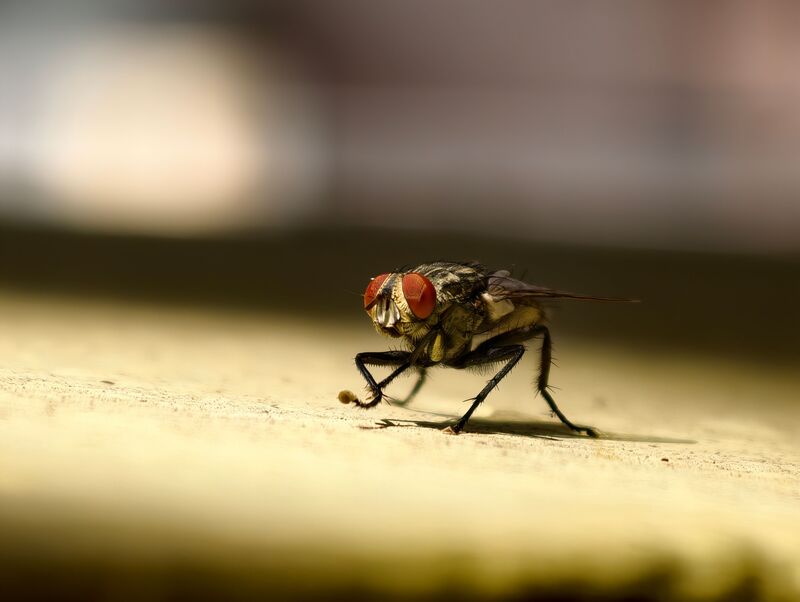
Once adult numbers decline, the property must remain less suitable for feeding and reproduction.
The following habits should continue through warm weather.
Keep Trash Containers Clean
Use tightly closing lids, replace damaged cans, and wash containers whenever food liquid collects inside. Bag food waste securely and avoid leaving filled bags beside the can.
Clean the ground beneath and around the container because residue may remain even after the trash is removed.
Remove Animal Waste Promptly
Pick up dog waste daily and clean animal housing regularly. Remove spoiled feed, wet bedding, and manure before flies can complete their development.
Where livestock or horses are present, manure management is especially important. Fly populations can rise quickly when waste and bedding remain damp and undisturbed.
Eliminate Standing Water
Empty containers after rain and correct leaks from hoses, irrigation systems, or outdoor faucets. Clean gutters and improve drainage where water pools beside hard surfaces.
Maintain the Yard Regularly
Mow and rake as needed, remove rotting plant material, collect fallen fruit, and avoid leaving wet grass clippings in thick piles.
Turn compost and keep it properly aerated. Move decaying organic material away from the patio and entrances whenever possible.
>>> Read more: How to Get Rid of Carpenter Ants Before Wood Damage Spreads
4. FAQs
Why Are Flies Worse After It Rains?
Rain can moisten garbage, compost, manure, mulch, and plant debris, making organic material more suitable for fly development. Warm conditions after rain may also speed insect activity.
What Time of Day Are Outdoor Flies Most Active?
Activity varies by species, temperature, sunlight, wind, and moisture. Many common flies are more noticeable during warm daylight hours and may become less active during cool, windy, or dark conditions.
Do Citronella Candles Keep Flies Away?
Citronella candles may provide limited, short-range relief from some flying insects when air is still, but they do not eliminate breeding sites or reliably protect an entire patio.
Can Outdoor Lights Attract Flies?
Yes, some flies and other insects are attracted to outdoor lighting, especially bright white or ultraviolet-rich light. Lights near doors and windows can concentrate insects close to entry points.
How to Get Rid of Horse Flies Outside
Horse flies are strong-flying biting insects whose larvae develop in wet soil, marshy areas, and aquatic or semi-aquatic habitats. Eliminating every breeding site around a residential property is often unrealistic.
Reduce exposure by using screened shelters, protective clothing, fans, and labeled repellents. For horses, Colorado State University Extension recommends options such as fly sheets, masks, approved sprays, and careful waste management.
5. Final Thoughts
The most reliable strategy for how to get rid of flies outside is to eliminate garbage residue, animal waste, damp organic matter, spoiled produce, and standing moisture. These sources matter more than candles, fragrances, or one-time spraying.
Vinegar traps can help with small fruit flies near fermenting material, but they are not a general solution for house flies or horse flies. Outdoor traps, fans, and limited labeled treatments work best after sanitation has reduced the source.