
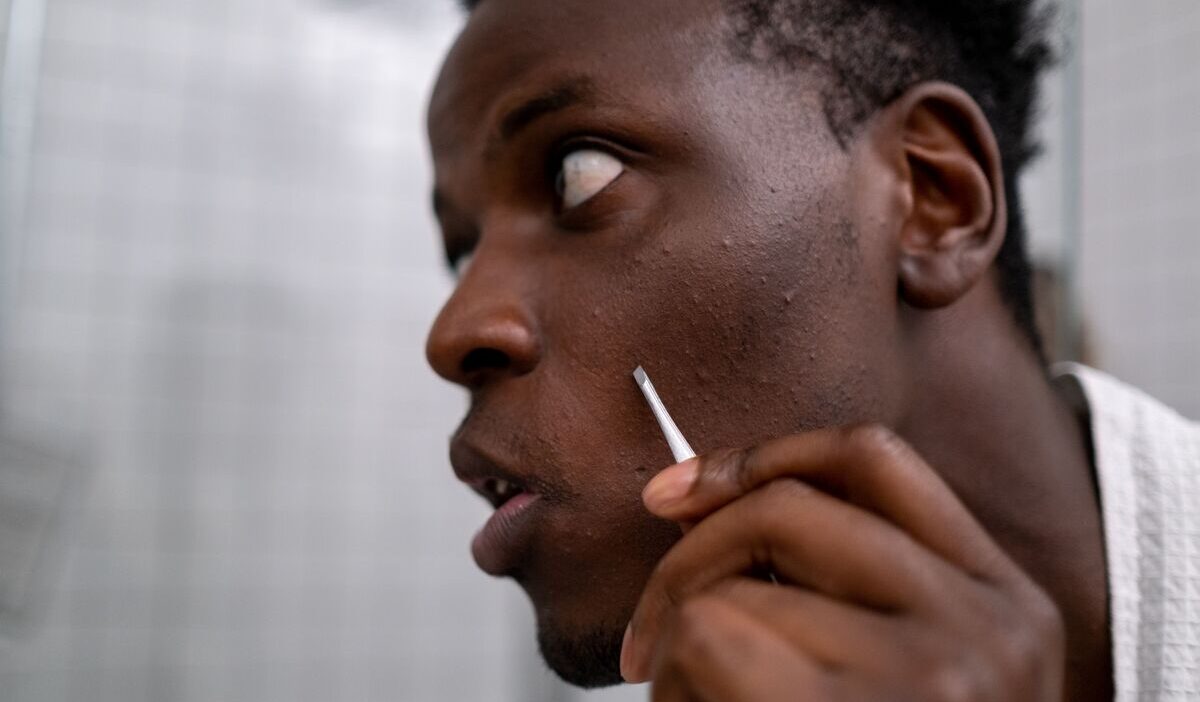
Razor bumps tend to appear right before a meeting, a date, or a family photo, and the urge to fix them fast is strong. The honest version is that one night rarely clears them completely, but redness and tenderness can often be calmed.
This guide explains how to get rid of razor bumps overnight with gentle steps that settle irritation without making the skin angrier.
1. What Makes Razor Bumps Flare Up So Fast?
Razor bumps form when a shaved hair curves back into the skin, or when the skin is pulled tight during shaving and the cut tip retracts and pierces the follicle from inside.
The body treats the trapped hair like a foreign object, which produces itchy red bumps and sometimes pustules. That reaction is why skin can look worse a day after shaving.
Curly or coarse hair, close shaves, dry shaving, dull blades, and stretching the skin all raise the odds. It also helps to know what you are treating.
Razor burn is surface irritation that usually fades within hours to a few days, while razor bumps are an ingrown hair reaction that can take longer.
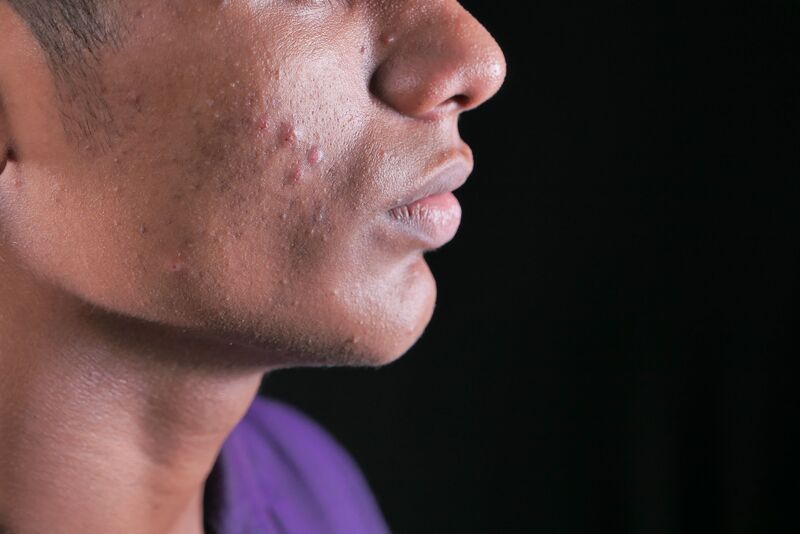
2. How to Get Rid of Razor Bumps Overnight?
A good routine has two jobs: soften the area so trapped hairs stop irritating the skin, and calm inflammation without adding new irritation.
Follow them in order, skip any step that stings or burns, and expect results to vary from person to person.
Method 1: Apply Warm Towels to Soften Trapped Hairs
Hold a warm, damp washcloth over the bumps for about five minutes. The warmth and moisture help hairs swell and loosen, which makes them less likely to keep curving into the skin. Use comfortably warm water, not hot, and pat the skin dry afterward.
Do not pluck, squeeze, or dig at a hair inside a bump. That can irritate the skin further and raise the risk of infection and scarring.
Finish by washing the area with a mild, fragrance-free cleanser and patting it dry before the next step.
Method 2: Calming Red Skin With Mild Salicylic Acid
Salicylic acid helps reduce the thickened skin around follicles that often traps hairs, and dermatology research describes it, along with glycolic acid, as helpful for razor bumps.
Choose a gentle, low-strength product made for sensitive skin. Apply a thin layer to the affected area only, once, at night. Keep these cautions in mind:
- Skip it if the skin is broken, cracked, or very sore.
- Test a small patch first if your skin is sensitive.
- Do not layer it with other strong actives, such as retinoids or scrubs, on the same night.
- Stop using it if burning or peeling develops.
Method 3: Lock In Moisture With Pure Aloe Vera Gel
Finish with a thin layer of pure aloe vera gel, which moisturizes and soothes irritated skin and may ease irritation within about an hour.
Look for a fragrance-free gel without added alcohol, since both can sting inflamed skin. Let it dry before putting on a clean shirt or pillowcase.
>>> Read more: How Long Does Razor Burn Last? Real Recovery Time and Easy Ways to Help
3. What Mistakes Make Razor Bumps Look Worse by Morning?
Overnight care can be undone quickly by a few common habits. Anyone learning how to get rid of razor bumps overnight should avoid these:
- Shaving over the bumps again. Going over irritated skin invites new ingrown hairs, so let the area heal first.
- Picking, squeezing, or plucking. This can push bacteria into the follicle and leave marks.
- Using hot water or scrubbing hard. Both strip the skin and increase redness.
- Applying fragranced or alcohol-based aftershave. These products often sting and dry out inflamed skin.
- Stacking several treatments. Acids, oils, and creams in one night can overwhelm sensitive skin, so choose one active at a time.
- Wearing tight clothing over the area. Friction keeps the skin irritated.
If you need to look tidy tomorrow, an electric trimmer that leaves a little length is gentler than a close blade shave. Avoid dry shaving, pulling the skin taut, and dull blades whenever you do shave again.
4. When Should People See a Skin Doctor?
Most razor bumps settle without medical care, but persistent cases can lead to scars and dark patches, and no routine can promise results by morning. It is worth booking a visit when any of these apply:
- Bumps continue after you change your shaving routine, or do not improve within a few days.
- Pus-filled bumps multiply, or redness spreads with warmth and increasing pain, which can signal an infection that may need an antibiotic.
- Dark patches or raised, thick scars appear, especially around the beard area.
- You see clusters of fluid-filled blisters, particularly with fever or headache, since that may not be razor burn at all.
If a plan has not helped after a few days, a dermatologist can confirm the cause and suggest options such as prescription treatments or different hair-removal methods.
>>> Read more: How to Get Rid of Razor Bumps Quickly and Calm Irritated Skin
5. FAQs
Here are some frequently asked questions about how to get rid of razor bumps overnight and soothe irritated skin.
Can razor bumps spread from one area to another?
Razor bumps are an ingrown hair reaction, so they are not contagious. New bumps can appear wherever you shave, though, and if bacteria infect the follicles, nearby spots can be affected too. Use a clean razor and avoid picking.
Why do some people get razor bumps almost every time they shave?
Tightly curled hair, curved follicles, close shaving, and pulling the skin taut make it easier for cut hairs to re-enter the skin.
Does waxing or tweezing avoid them?
Not reliably. Plucking and waxing can leave hair fragments or encourage ingrown hairs, so they carry their own risks. A dermatologist can discuss other options, including laser hair removal, for people who get bumps every time.
6. Final Thoughts
Calming razor bumps comes down to a few gentle habits: soften the skin with warmth, use one mild treatment, moisturize, and avoid anything that adds irritation. That is the safest approach to how to get rid of razor bumps overnight, as long as expectations stay realistic.
Overnight care can reduce redness and tenderness, but healing still takes time. If bumps linger, spread, or look infected, a skin doctor is the right next step.