
Razor bumps are inflamed spots that appear when shaved hairs curve back into the skin instead of growing outward. They are especially common in areas with coarse or curly hair, including the beard, neck, bikini line, legs, chest, and underarms.
Learning how to get rid of razor bumps requires patience because an ingrown hair cannot always be released immediately. Stopping further irritation, using gentle skincare, and changing shaving habits can reduce discomfort while the affected hairs gradually grow out.
1. What Causes Razor Bumps?
Razor bumps, medically known as pseudofolliculitis barbae when they affect the beard area, develop when a cut hair curls back and penetrates the surrounding skin. The body reacts to the hair as a foreign object, creating redness, itching, tenderness, and small inflamed bumps.
People with tightly curled or coarse hair have a higher risk because the hair is more likely to curve toward the skin after shaving.
However, razor bumps can affect anyone who shaves, waxes, plucks, or threads hair.
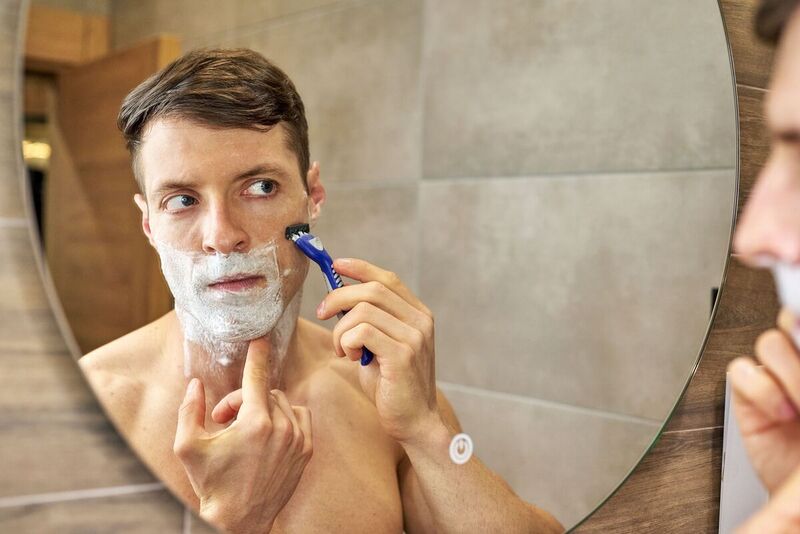
Common causes include shaving too closely, pulling the skin tight, using a dull blade, making repeated passes over one area, and shaving against the direction of hair growth.
Dry shaving and wearing tight clothing over freshly shaved skin can add further irritation.
2. How to Get Rid of Razor Bumps Fast
How to get rid of razor bumps overnight? The safest approach is to stop shaving temporarily and reduce inflammation without scratching, squeezing, or digging into the bumps.
Picking can damage the skin and increase the risk of infection, scarring, or dark marks.
Start with these steps:
- Pause shaving, waxing, or plucking over the affected area.
- Wash gently with a mild, non-comedogenic cleanser.
- Apply a warm compress for 10–15 minutes to soften the skin.
- Use a gentle exfoliating product rather than a rough scrub.
- Apply a fragrance-free moisturizer.
- Avoid tight clothing and unnecessary friction.
- Seek medical care if the bumps become hot, increasingly painful, swollen, or filled with pus.
For temporary overnight relief, wash the area gently, apply a warm compress, and use a simple fragrance-free moisturizer. Avoid shaving again the following morning if the skin remains irritated.
>>> Read more: How Long Does Razor Burn Last? Real Recovery Time and Easy Ways to Help
3. Which Ingredients Can Help Treat Razor Bumps?
Salicylic acid exfoliates inside and around pores, which may help prevent dead skin from trapping hairs. Begin with a low-strength product and reduce use if dryness or stinging develops.
Glycolic acid exfoliates the skin surface and may reduce the development of new inflamed spots.
Adapalene is an over-the-counter retinoid that encourages skin-cell turnover. It can cause dryness, so it should be introduced gradually and used with daily sun protection.
Benzoyl peroxide may help when inflamed bumps resemble acne or when bacterial involvement is a concern. It can be drying and may bleach towels or clothing.
Aloe vera may feel soothing and help moisturize irritated skin, but it does not release a deeply ingrown hair or address the shaving technique causing repeated bumps. Use a fragrance-free formula and stop if irritation occurs.
4. How Can You Prevent Razor Bumps From Coming Back?
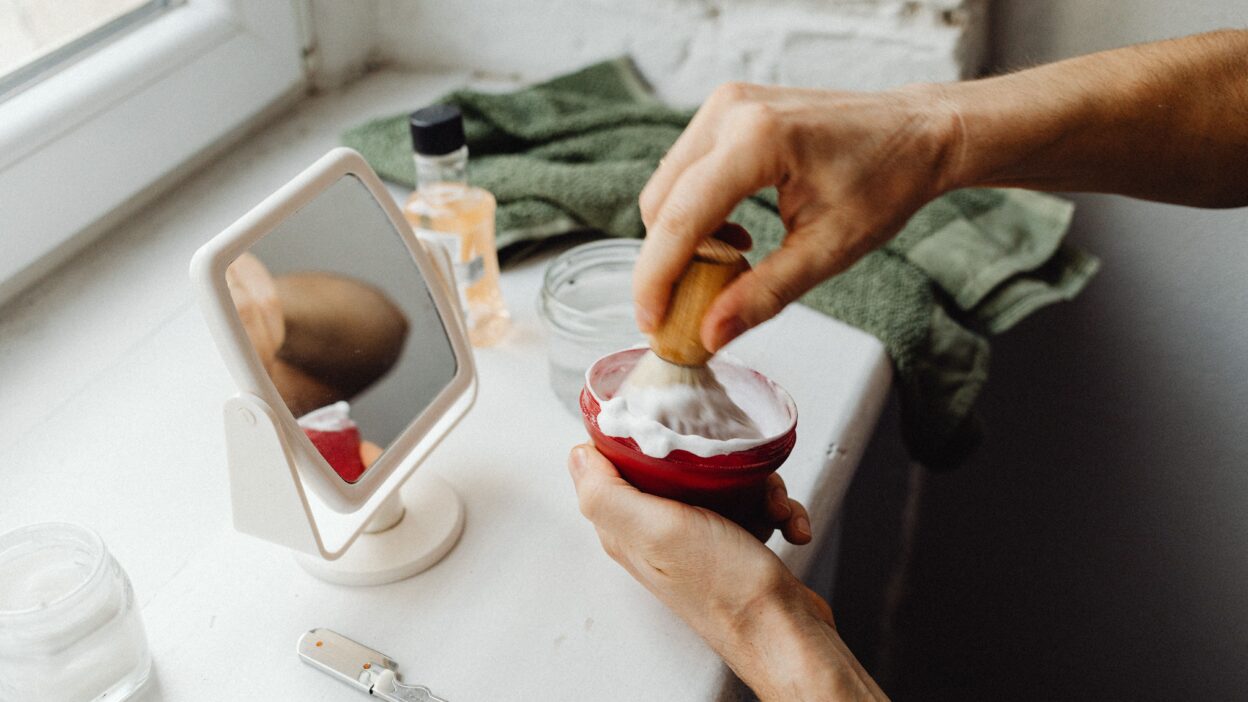
The American Academy of Dermatology recommends softening the hair before shaving, using moisturizing shaving cream, shaving in the direction of growth, and placing a cool damp cloth on the skin afterward. It also advises replacing a disposable blade after approximately five to seven shaves.
Additional prevention measures include:
- Do not stretch the skin while shaving.
- Use short, light strokes.
- Avoid pressing the razor firmly against the skin.
- Do not repeatedly shave the same area.
- Leave a small amount of stubble rather than chasing an extremely close shave.
- Rinse the blade after each pass.
- Clean electric shavers regularly.
- Use fragrance-free shaving and aftercare products.
- Wear looser clothing over freshly shaved areas.
- Consider trimming, depilatory products, or professional laser treatment when shaving repeatedly causes severe bumps.
>>> Read more: How Long Does Cologne Last? On Your Skin vs In the Bottle
5. FAQs
How Long Do Razor Bumps Usually Last?
A mild ingrown hair often heals within one to two weeks as the hair grows and releases itself. Severe or repeatedly irritated bumps may last several weeks. If shaving is discontinued, noticeable pseudofolliculitis can still take weeks to settle fully.
Can Aloe Vera Help Razor Bumps?
Aloe vera may temporarily soothe dryness, burning, and mild irritation. However, it does not remove a trapped hair and should not be treated as a complete solution.
Do Electric Razors Cause Fewer Razor Bumps?
They may for some people. Electric razors can avoid the extremely close cut associated with hairs retracting beneath the skin. Dermatology guidance recommends experimenting with an electric shaver and avoiding excessive pressure.
Can Razor Bumps Leave Dark Spots?
Yes. Ongoing inflammation can lead to post-inflammatory hyperpigmentation, particularly in darker skin tones. Untreated or frequently picked bumps may also contribute to raised scars or deeper skin changes.
6. Final Thoughts
The safest answer to how to get rid of razor bumps is to give the skin time to recover while reducing inflammation and preventing further ingrown hairs. Stop shaving temporarily, use gentle compresses and skincare, and avoid scratching or squeezing the bumps.