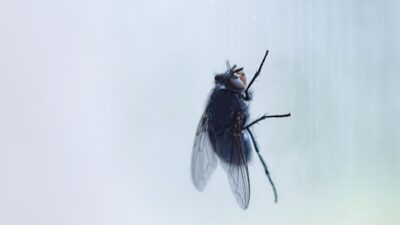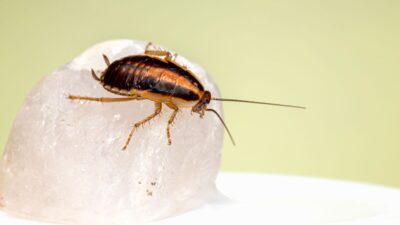
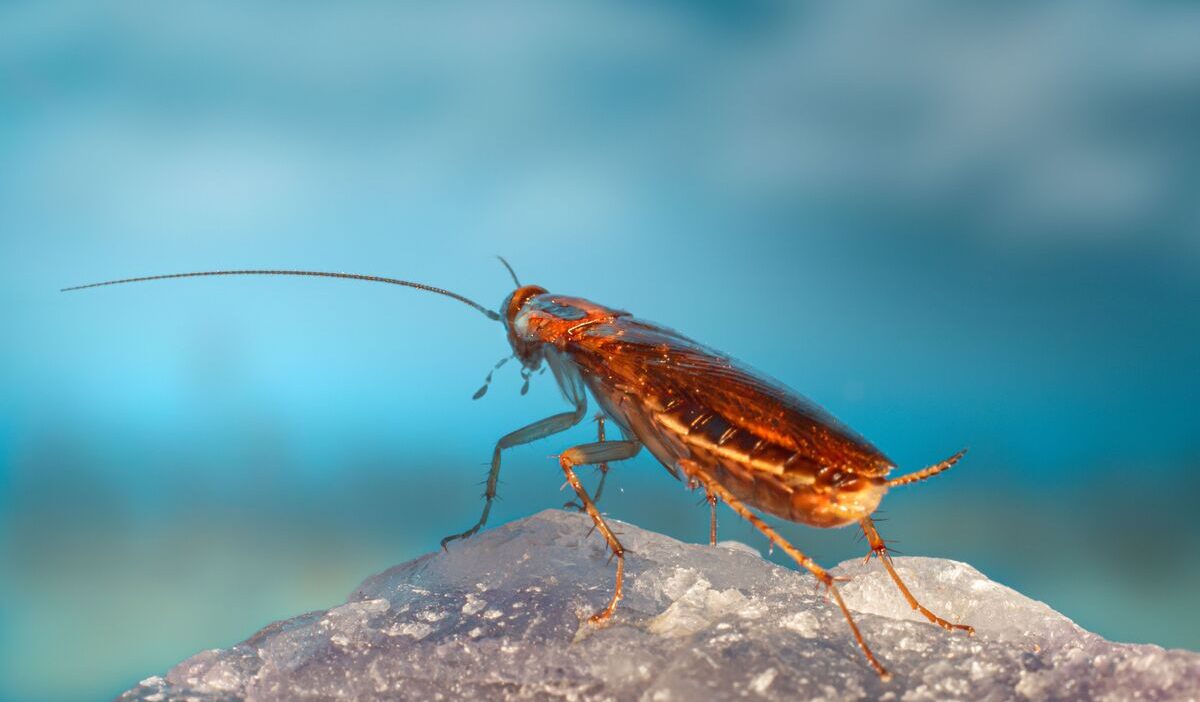
German roaches often announce themselves with a flash of small brown bodies when the kitchen light comes on at night. A quick spray feels like a fix, but it rarely ends the problem.
The lasting answer to how to get rid of German roaches is a bait-first plan that also stops the next generation from growing up.
1. Why German Roaches Are Harder to Remove Than Other Roaches?
German roaches live indoors, stay close to food and water, and spend the day packed into cracks as narrow as a sixteenth of an inch.
At any moment most of the colony is out of sight, so a few visible insects can signal a much larger population.
Reproduction adds to the challenge. A female carries her egg case until just before it hatches, and each case holds roughly 30 to 40 young. The cycle from egg to breeding adult takes about 100 days.
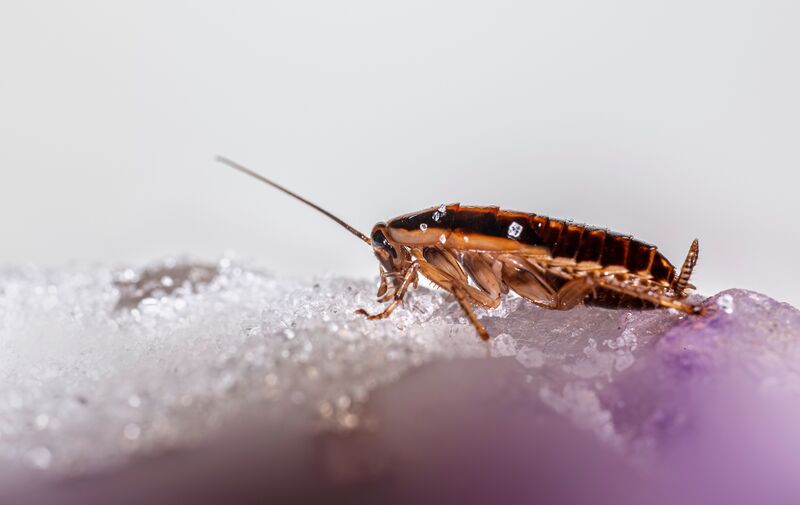
Resistance matters too. Some populations avoid sugary bait ingredients or survive common insecticides, so one product may stop working over time.
2. How to Get Rid of German Roaches?
This section covers how to get rid of German roaches in three parts: bait to kill them, growth control to stop new adults, and traps to prove the plan is working.
Start by clearing away what keeps them fed. Wipe spills, empty food trash daily, seal pantry items, fix leaks, and remove cardboard, so the bait becomes the most appealing meal in the room.
Place Gel Bait in Small Dots Where Roaches Already Travel
Gel bait is the main tool. Apply small, pea-sized dots in the cracks and corners where roaches hide or travel, such as cabinet hinges, under sinks, behind the refrigerator and stove, and along wall junctions.
Many small dots work better than a few large blobs, and bait belongs where traps show activity. Roaches that eat it return to their hiding places, so the effect can reach others in the colony.
Results take days, not hours. Keep these points in mind:
- Put down fresh bait every one to two weeks while roaches are still active, or as the label directs, because old bait loses its appeal.
- Keep cleaning sprays and insecticide sprays away from bait, since residue can make roaches avoid it.
- If roaches clearly ignore a bait, switch to one with a different active ingredient. Extension guidance suggests rotating about once a month.
Add Growth Regulators and a Light Dust for Voids
Insect growth regulators (IGRs) do not kill roaches outright. They keep nymphs from maturing into breeding adults and can cause pregnant females to drop egg cases early, which also sends them back toward the bait.
Apply them in cracks and crevices as the label directs, place bait near them rather than on top, and confirm the product is allowed near food-prep surfaces.
A light dust can help in dry voids that bait cannot reach, such as behind cabinets or under appliances. Boric acid works slowly, so treat it as a supporting tool.
Apply a thin film, keep it dry, and keep it away from children and pets. Dust can contaminate bait spots and drift into the air, so use it sparingly and away from bait.
Use Sticky Traps to Count Remaining Bugs
Traps turn guesswork into numbers. Place several along walls and corners in dry areas, especially near the refrigerator, the stove, and other warm spots.
Number each trap, note the date and location, and record the count at every check. Replace traps that fill up, get wet, or collect dust. What the catch tells you:
- Adults, nymphs, and egg cases together suggest an established infestation.
- One or a few adults usually point to a recent arrival.
- Small nymphs suggest a hiding place within roughly 5 to 10 feet of the trap.
Falling counts mean your plan for how to get rid of German roaches is working. Keep the traps in place and keep baiting until they stay empty, because stopping early lets the life cycle restart.
>>> Read more: How to Get Rid of Roaches Fast by Hitting the Infestation
3. What Makes a German Roach Problem Worse?
Certain everyday habits can make it harder to get rid of German roaches. Avoid these common mistakes to improve your chances of eliminating an infestation.
- Using foggers or bug bombs. They do not reach hiding places, leave residue behind, and can be a fire hazard in homes with gas appliances if overused.
- Spraying near bait. Residual sprays make bait less appealing, and pyrethroid sprays can push roaches into neighboring units.
- Relying on home remedies alone. Essential oil sprays have little lasting effect, and homemade boric acid baits are hard to make appealing, so a commercial bait is the better choice.
- Stopping too soon. Fewer sightings do not mean the nymphs and egg cases are gone.
- Leaving food, water, and shelter within reach. Crumbs, grease, leaks, pet food left out overnight, and stored cardboard all give roaches a reason to stay.
4. When to Call a Professional Instead?
Do-it-yourself treatment has limits. Serious or complex infestations often need professional help, and German roaches are especially common in apartments and other multi-unit buildings, where they can spread between units.
Anyone struggling with how to get rid of German roaches in that kind of setting should consider calling early, especially when:
- Trap counts are not dropping after several weeks of consistent baiting and rotation.
- Roaches appear in many rooms or in daylight.
- You live in a multi-unit building, where treating one unit may not be enough.
- Someone in the home has asthma or allergies, since cockroach droppings, shed skins, and other debris contain allergens linked to asthma, especially in children.
Ask for an integrated pest management approach that combines monitoring, sanitation, baiting, and follow-up visits, not a single spray visit.
If you rent, tell the landlord or property manager in writing so neighboring units can be checked.
5. FAQs
Can a clean home still get German roaches?
Yes. Roaches can arrive on appliances, furniture, boxes, and items that have been in storage, and even small crumbs or moisture can be enough to keep them.
Are roach baits safe around pets and children?
Baits are used in small amounts, and enclosed bait stations keep the insecticide inside a tamper-resistant container.
Gel dots should go in cracks and hidden spots out of reach, and every product should be used exactly as labeled. Keep boric acid dust away from children and pets.
What does a German roach infestation smell like?
Large infestations can leave an unpleasant odor on surfaces that roaches touch, and experienced pest professionals can sometimes smell a problem before they find the insects.
Smell alone is not proof, so look for dark specks of droppings, shed skins, and trap catches instead.
>>> Read more: How to Get Rid of Water Bugs Hiding in the Damp Corners of Your Home
6. Final Thoughts
Beating German roaches takes patience. Remove their food and shelter, place bait in small dots where traps show activity, add growth control, and keep counting until the traps stay empty.
That is the practical core of how to get rid of German roaches without scattering them through the walls.