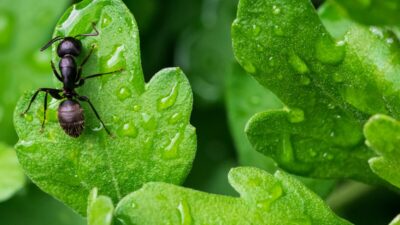
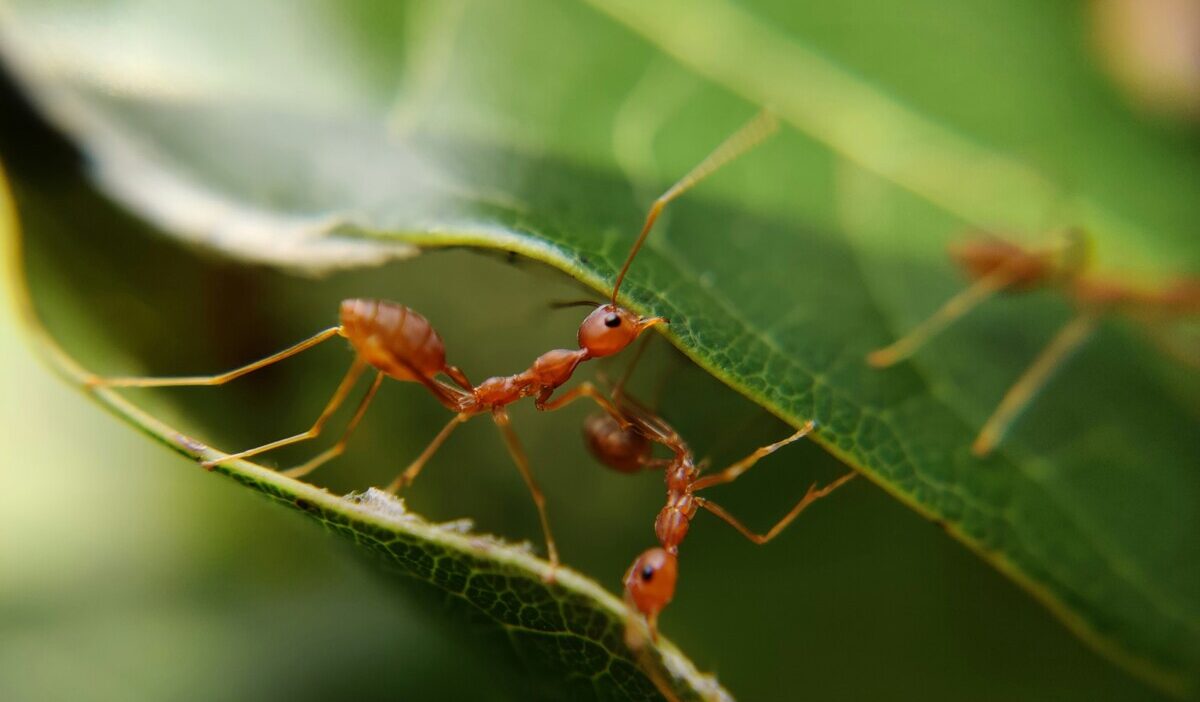
A line of ants marching across the counter can ruin a kitchen in a day. This guide explains how to get rid of ants in the house quickly while protecting the colony-killing power of baits, so the problem does not spread to other rooms.
1. How to Identify the Type of Ants Before Choosing a Treatment?
Different ants want different foods, and the right bait depends on the species. A quick look at size, color, and behavior narrows it down before you buy anything.
- Odorous house ant: Dark brown to black, about 1/8 inch, loves sweets, and smells strongly when crushed.
- Pavement ant: Dark brown to black, about 3/16 inch, and eats sweets, proteins, and grease.
- Pharaoh ant: Tiny, yellow to orange, and eats fats, proteins, and sweets. It nests indoors in warm, moist wall voids.
- Thief ant: Tiny, yellow to light brown, and drawn to greasy foods.
- Carpenter ant: Large (1/4 to 1/2 inch), black or red and black, and hollows out damp wood.
Count the bumps between the middle and rear of the body if you can. Your county extension office will confirm an ID if you bring a sample in a small vial.
Pharaoh and carpenter ants are harder cases, so keep reading if you suspect either one.
2. How to Get Rid of Ants in the House Quickly?
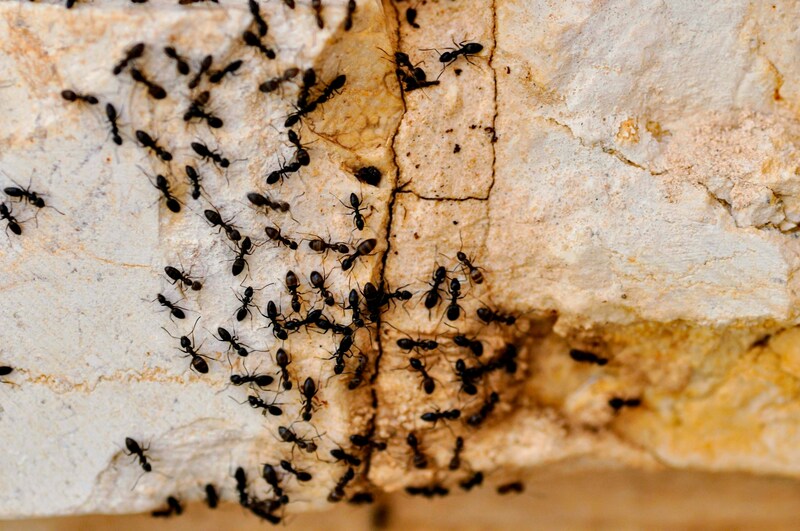
Most ants that wander in are foragers from an outdoor nest, following a scent trail laid by other ants. The fastest approach is to break that trail, offer a slow-acting bait, and remove the food that drew them.
Method 1: Wipe Ant Trails With Vinegar Water
Start by erasing the road map. Follow the line to see where ants enter and what they are eating. Then wipe the trail with soapy water or a vinegar-and-water mix, which removes the scent that guides other ants.
Seal the entry point with caulk afterward. Do not wipe near the bait you place in the next step, because cleaning around it can keep ants from finding it.
Method 2: Put Gel Bait Dots Along Paths
Next, bring in the tool that work for the whole colony. Workers carry bait back to the nest and share it with the queen and young, so a slow-acting poison can wipe out more ants than any spray.
- Place small dots of gel bait beside trails, in cracks, and at entry points, not on top of the trail.
- Choose a bait that matches what the ants are eating, and switch to another food type if they ignore it.
- Replace dried or spoiled bait, and expect results in days to weeks.
- Keep bait out of reach of children and pets, and use enclosed, tamper-resistant stations where you can.
Method 3: Clean Food Crumbs and Sugar Spills
Finally, remove the reason they came. Wipe counters, sweep under appliances, and store sweets and pet food in sealed glass or hard plastic.
Rinse recyclables before storing them, take out garbage often, and fix leaks, because ants also want water.
>>> Read more: How to Get Rid of Mealybugs and Save Your Indoor Plants
3. Why Do Bug Sprays Make Ants Worse?
Reaching for the can is natural, yet it can backfire. Never spray near your bait. Contaminated bait repels ants and stops them from carrying it home.
If you must use a product, choose a non-repellent one and read the label first.
- Sprays kill foragers, not the colony. Indoor and perimeter sprays mostly reach workers, while the queens survive and send replacements.
- Repellent sprays push ants away. They can block ants from reaching bait, and barrier sprays can trap ants indoors.
- Disturbed colonies can scatter. Many ant species have several queens and form satellite nests, and spraying can break a colony into sub-colonies, such as when pharaoh ant colonies split under repellents.
4. What Signs Show Ants Live Inside Walls?
Sometimes the nest is already in the house, which turns how to get rid of ants in the house quickly into a nest problem instead of a trail problem.
When these pests move behind your drywall, knowing how to get rid of ants in the house quickly requires identifying the infestation early before it spreads.
Carpenter ants, pharaoh ants, and odorous house ants can nest in wall voids, especially near moisture or warmth. Watch for these signs:
- Winged ants indoors: Many swarmers at windows suggest a nearby indoor nest, often on warm days in spring and early summer.
- Frass: Piles of coarse, stringy wood particles near siding cracks, baseboards, basements, and attics point to carpenter ants. Their tunnels are smooth, not packed with soil.
- Night activity: Carpenter ants usually forage after dark, so check trails between about 10 p.m. and 2 a.m.
- Sounds in walls: Satellite colonies can sometimes be heard with a stethoscope or an inverted glass.
- Damp or damaged wood: Leaks, clogged gutters, and condensation create the soft wood these nests prefer.
>>> Read more: How to Get Rid of Gnats in Plants and Prevent the Reinfestation
5. FAQs
When ants suddenly invade your home, finding an effective fix immediately is essential. Here are answers to the most common questions on how to safely and quickly eliminate them.
Why do I see ants even when my kitchen is clean?
Ants may be after water, not crumbs. They also follow old scent trails, which persist after the food is gone, and tiny residue under appliances or in cracks is enough to attract them.
Are ant baits safe around pets and children?
Baits are poisons, so they need careful placement. Keep them out of sight and reach, use enclosed stations, and follow the label exactly. Store unused product high or in a locked cabinet, and call Poison Control if a child may have been exposed.
Why do ants show up after heavy rain?
Ants enter homes when outdoor conditions are too wet or too dry. Heavy rain can drive them toward dry shelter, so you may notice more trails after a storm.
6. Final Thoughts
Learning how to get rid of ants in the house quickly really means working with the colony, not against it. Wipe the trail, set bait where ants travel, and clear away food and water, but leave the spray aside.
Patience matters, because bait can take a couple of weeks to finish a colony. If ants keep returning, or you find signs inside the walls, a pest professional is the sensible next step.